Why Use a Sleeve for Sewer Line Installation?
A sewer line often disappears beneath concrete, landscaping, or a foundation, so a small installation detail can matter for decades. A sleeve sewer line arrangement places a protective casing around the pipe where it passes through a wall, slab, or other vulnerable area. It can reduce direct contact with concrete, help limit abrasion, and leave room for slight movement as soil or structures shift. Small detail. Big consequences.
A sleeve is not a cure-all. Its value depends on pipe material, sleeve size, location, drainage conditions, and how the opening is sealed. For example, a pipe crossing a basement wall may need a sleeve and a compatible flexible seal to help keep soil moisture out without pinching the sewer pipe. In a trench, the right approach may differ, especially where settlement, groundwater, or heavy vehicle loads are concerns. The wrong fit can create gaps, trap debris, or make future repairs harder. That is easy to overlook.
This guide explains where sleeves are useful, what they protect against, and how to select and install them with care. It also distinguishes a protective casing from a cured-in-place liner, since the terms are sometimes confused. Before work begins, confirm the design with a qualified plumbing or civil professional and check applicable local requirements. Field conditions matter more than a neat diagram. A careful inspection can reveal constraints that plans miss.
What a Sewer Line Sleeve Is and How It Works
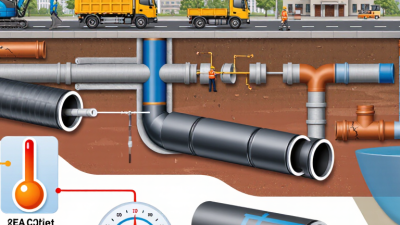
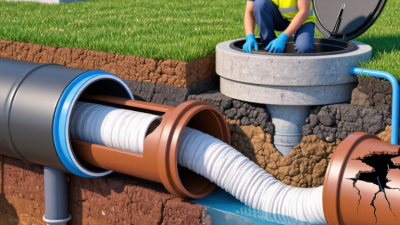
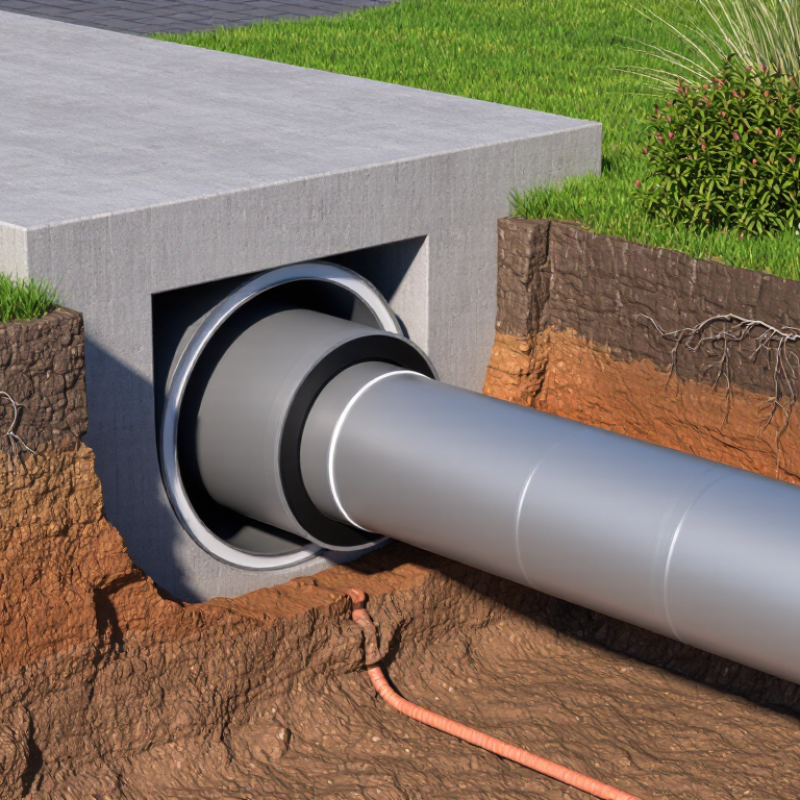
A sewer line sleeve is a larger protective pipe placed around a smaller sewer pipe, often where the line passes beneath a driveway, foundation, or other load-bearing area. The inner pipe carries wastewater; the outer sleeve helps shield it from shifting soil, pressure, and accidental damage during nearby work. Think of a pipe inside a sturdy tunnel. The sleeve does not carry waste itself.
During installation, workers position the sleeve along the planned route, then run the sewer pipe through it. The carrier pipe must still keep the correct slope, so wastewater flows by gravity rather than pooling. The space between the two pipes may be sealed or managed according to the site design. That detail matters. A poorly fitted sleeve can allow soil or water to enter, and it may make inspection harder. It is not a cure for a bad joint.
Sleeves can also make future repairs less disruptive by giving crews a protected path to access or replace the inner pipe. Their size, material, and end treatment depend on soil conditions, loads, pipe type, and local requirements. A sleeve may not be needed on every property. An experienced installer should assess the route and explain how the sleeve affects access, drainage, and maintenance before the trench is closed.
Why Use a Sleeve for Sewer Line Installation?
What a Sewer Line Sleeve Is and How It Works
A sewer line sleeve is a larger protective tube or opening that the sewer pipe passes through, such as at a foundation or other structure. It can help separate the pipe from surrounding material and reduce abrasion. Ratings are a qualitative illustration of typical functions, not measured test results; a sleeve alone does not make a connection watertight.
How a Sleeve Protects a Sewer Pipe During Installation
Why Use a Sleeve for Sewer Line Installation?
How a Sleeve Protects a Sewer Pipe During Installation
A sleeve forms a protective barrier around a sewer pipe as crews lower, push, or pull it into place. It can reduce scraping against rough casings, sharp aggregate, or edges at a crossing. Small details matter. A nick in the pipe wall or a displaced gasket can create a weak point, especially where alignment is tight. A properly sized sleeve may also limit direct contact with surrounding surfaces, but it cannot correct poor alignment or careless handling.
The U.S. Environmental Protection Agency’s 2022 Clean Watersheds Needs Survey estimated $630.1 billion in wastewater and stormwater infrastructure needs over 20 years. That figure does not measure sleeve performance, but it underscores the value of sound installation practices.
Before backfilling, crews can inspect for torn sleeve material, trapped grit, exposed joints, and pinched ends. Not magic. A loose sleeve may bunch up; an oversized one may shift and leave sections exposed. Follow project specifications, check the full pipe run, and pause if the sleeve’s fit looks wrong.
Key Benefits of Using a Sleeve in Sewer Line Projects
Why Use a Sleeve for Sewer Line Installation?
A sleeve creates a protected passage where a sewer pipe crosses concrete, a foundation, or another structure. It helps keep the pipe from rubbing directly against hard edges as the building settles or temperatures change. Small movements matter.
During installation, a sleeve can also shield the pipe from debris and accidental contact with tools. A crew can check the pipe’s position before the surrounding concrete sets, which may reduce costly repairs later. The sleeve should be sized to allow practical clearance without leaving an oversized gap.
There is another benefit: access. If a pipe section needs inspection or replacement, a properly planned sleeve may make the work less disruptive. But a sleeve is not automatically a watertight seal. The gap around it may need a compatible sealing system, especially where moisture could enter. Details depend on pipe material, wall thickness, and site conditions. That part is easy to overlook. Reviewing the layout and seal requirements before installation helps avoid a sleeve that protects the pipe but leaves another problem behind.
Common Sleeve Materials and Their Applications
Steel sleeves are common where sewer lines pass beneath roads, driveways, or building foundations. Their strength helps resist soil pressure and construction loads, especially during jacking or boring. A protective coating can reduce corrosion, but damaged coating deserves attention before installation. Steel is heavy. That matters on tight sites.
PVC sleeves resist moisture and many common soil chemicals, making them useful for smaller service-line penetrations and less demanding settings. HDPE offers more flexibility and can suit trenchless installations or routes with gentle bends. Both materials are easier to handle than steel, but neither should be assumed suitable for every load or temperature. Concrete casing may be chosen for large, fixed installations where substantial protection is needed; its weight can make placement slower and more difficult. Conditions vary.
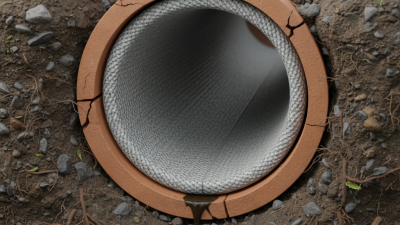
The sleeve material is only part of the decision. Check the pipe diameter, expected loads, soil conditions, and installation method. Leave appropriate clearance between the sewer pipe and sleeve, and seal the ends without restricting necessary movement. Crews sometimes focus on the casing and overlook that annular space. That can complicate inspection or allow soil and water to enter. Requirements differ by project, so confirm dimensions and design details with the project engineer before work begins.
How to Select and Install the Right Sewer Line Sleeve
Choose a sleeve based on the pipe’s outside diameter, installation location, and expected loads. The sleeve should provide enough clearance for the sewer pipe to pass through without scraping, while leaving room for a suitable flexible seal at the ends. A sleeve that is too tight can transfer movement or building loads to the pipe. A little extra space is often intentional. Check that the sleeve material suits the surrounding soil and exposure conditions, and confirm required dimensions with local plumbing requirements or a qualified installer.
Set the sleeve in place before pouring concrete or closing the trench. Keep it straight, secure, and aligned with the planned pipe slope; even a small shift can make threading the pipe difficult. Protect the opening from concrete, stones, and soil during construction. After the sewer pipe is installed, inspect it for damage and confirm it drains as designed. Seal the annular space with a compatible flexible seal where needed, rather than packing rigid material tightly against the pipe. Keep it smooth. A sleeve does not correct poor alignment or inadequate slope, and it can hide a problem if no one checks inside before the work is covered.