2026 Best Sewer Pipe Sleeve for Global Buyers?
Choosing the 2026 best sewer pipe sleeve requires more than comparing prices or advertised service life. Global buyers must examine chemical resistance, groundwater pressure, joint movement, installation temperature, and compatibility with existing pipe materials. A sleeve that performs well in a dry clay trench may fail inside a cracked, saturated sewer line. That detail matters.
The United States Environmental Protection Agency’s 2022 Clean Watersheds Needs Survey estimated $630.1 billion in national wastewater infrastructure needs over twenty years. Its collection-system needs alone represented a major share of that investment. The American Society of Civil Engineers also rated U.S. wastewater infrastructure D+ in its 2021 Infrastructure Report Card. These figures show why durable rehabilitation products deserve careful evaluation, not quick purchasing decisions. For global projects, buyers should also verify ISO, ASTM, EN, or local municipal requirements.
Mohammad Najafi, a recognized trenchless-technology researcher, has stated, “Trenchless technology is the future of underground infrastructure.” His view supports a practical point: the best sewer pipe sleeve should reduce excavation while restoring structural and hydraulic performance. Field teams should inspect resin behavior, liner thickness, sealing edges, curing records, and actual site access. Product brochures rarely show the whole story. No sleeve is universally best. That is the uncomfortable part. This guide compares leading options through documented performance, installer experience, supplier reliability, and lifecycle value. Some market claims remain difficult to verify. Buyers should question them before approving a global order.
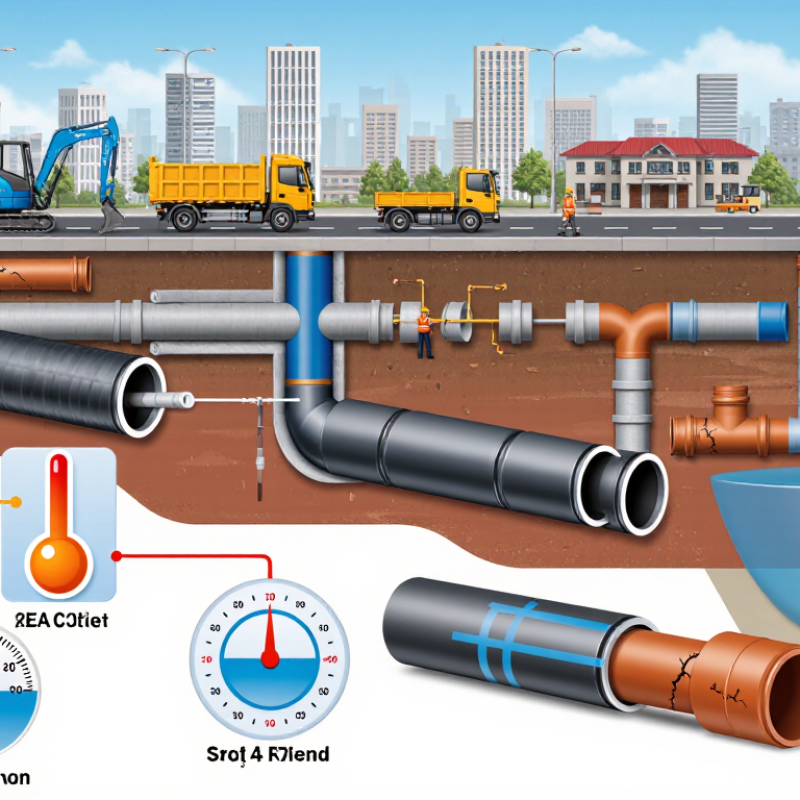
What Is a Sewer Pipe Sleeve and Why Does It Matter?
2026 Best Sewer Pipe Sleeve for Global Buyers?
What Is a Sewer Pipe Sleeve and Why Does It Matter?
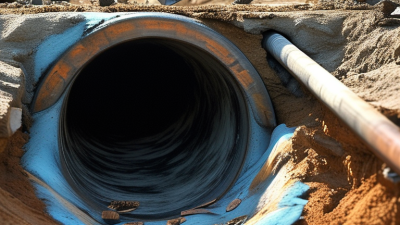
A sewer pipe sleeve is a protective tube installed around a sewer line. It is commonly used where pipes pass through concrete walls, foundations, floors, or roads. The sleeve creates a controlled opening instead of forcing the pipe against hard building materials.
That separation matters. Sewer pipes expand, contract, settle, and sometimes vibrate slightly. Without clearance, concrete edges can scrape the pipe or create concentrated stress. A suitable sleeve also helps limit groundwater entry, soil infiltration, and unpleasant leakage around the penetration point. In a basement wall, this may prevent damp marks beside the pipe. Small details matter.
Choosing a sleeve requires more than matching pipe diameter. The internal diameter should allow installation movement and a compatible sealing system. Engineers usually check sleeve material, wall thickness, external loads, groundwater pressure, soil conditions, and expected temperature changes. Plastic sleeves resist many corrosive environments, while metal sleeves may suit demanding structural locations. However, neither option is automatically correct.
Site inspections often find sleeves installed too tightly. That mistake can remain hidden until settlement occurs. Another problem is poor sealing after concrete placement. A reliable installation keeps the pipe centered, protects the joint during backfilling, and follows project specifications. Measurements should be recorded before pouring concrete. It takes minutes. Repairs take much longer.
Key Materials and Designs Used in Modern Pipe Sleeves
2026 Best Sewer Pipe Sleeve for Global Buyers?
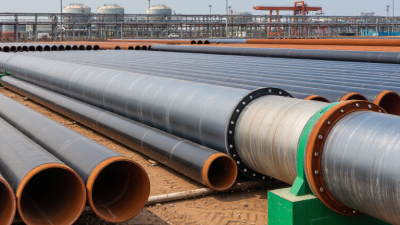
Modern sewer pipe sleeves rely on carefully matched materials and practical designs. High-density polyethylene offers strong chemical resistance and flexibility in wet soil. PVC sleeves are lightweight and easy to cut during installation. Stainless steel suits demanding areas where corrosion and mechanical strength matter. Ductile iron can handle heavy loads, but it requires protective coatings and accurate handling.
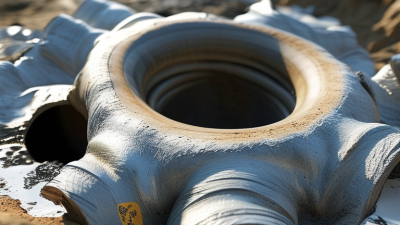
Sealing systems are equally important. EPDM or nitrile rubber seals can close the annular space around the pipe. Their performance depends on temperature, sewage chemicals, and compression. Modular seals help installers adjust to different pipe diameters. Some designs include stainless-steel pressure plates and corrosion-resistant bolts. Details matter. A loose seal may allow groundwater to enter within months.
Global buyers should check wall thickness, pressure ratings, fire requirements, and local installation standards. Soil movement also deserves attention. A rigid sleeve may crack when surrounding ground settles unevenly. Flexible designs usually tolerate small shifts better. Field inspections often reveal a common mistake: buyers select by pipe diameter alone. That is not enough. They should confirm outside diameter, wall thickness, sleeve length, and expected loads. A small measurement error can delay an entire project. No sleeve is perfect. Even strong materials need clean surfaces, correct torque, and careful alignment during installation.
How to Match a Sleeve with Pipe Size and Installation Conditions
2026 Best Sewer Pipe Sleeve for Global Buyers?
Choosing a sewer pipe sleeve starts with the pipe, not the catalog. Measure the actual outside diameter, including ribs, coatings, or temporary fittings. Do not rely only on the nominal pipe size. A sleeve should provide enough clearance for insertion and sealing, but excessive space can weaken alignment. In many systems, a small annular gap is acceptable, but the approved seal design must control it.
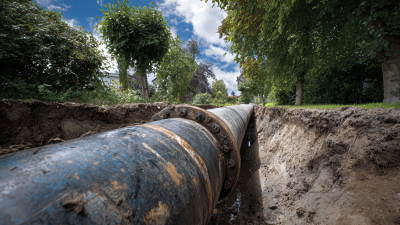
Installation conditions change the selection. For a concrete wall, choose a sleeve with reliable water sealing and enough length for the wall thickness. Buried installations need resistance to soil pressure, moisture, and ground movement. Areas with vehicle loads may require stronger restraint and careful bedding around the pipe. Check temperature limits before using a sleeve in hot or cold environments.
Movement matters too. A rigid sleeve may suit a stable wall penetration, while a flexible system may better handle settlement or vibration. Inspect the pipe surface for mud, burrs, and damage before sealing. Clean surfaces are essential. Field work is rarely perfect; dimensions can vary by a few millimeters, and drawings may be outdated. I have seen installers force an undersized sleeve, creating hidden stress that appeared months later. Leave room for adjustment, but never guess the seal compression. When conditions conflict, verify the measured pipe, sleeve data, and installation method with a qualified engineer.
2026 Best Sewer Pipe Sleeve for Global Buyers? - How to Match a Sleeve with Pipe Size and Installation Conditions
Preliminary sizing reference for common metric sewer pipe outside diameters. Confirm the actual pipe OD, applicable standard, structural loads, local code, and sealing system before final selection.
Carrier Pipe Nominal OD
(mm) |
Approx. OD
(in) |
Recommended Minimum Sleeve Clear ID
for Pull-Through (mm) |
Approx. Diametral Clearance
(mm) |
Typical Sleeve Material Options |
Suitable Installation Conditions |
Recommended Sealing Approach |
| 110 |
4.33 |
160 |
50 |
PVC-U, HDPE, or coated steel |
Building penetrations and shallow open-trench crossings |
Modular mechanical seal or compression seal; maintain a centered carrier pipe |
| 160 |
6.30 |
200 |
40 |
PVC-U, HDPE, or coated steel |
Wall sleeves, floor slabs, and non-pressurized utility crossings |
Water-resistant seal where leakage protection is required |
| 200 |
7.87 |
250 |
50 |
HDPE, PVC-U, or steel |
Standard underground crossings and concrete structures |
Mechanical seal with non-abrasive spacers if the carrier pipe is pulled through |
| 250 |
9.84 |
315 |
65 |
HDPE, steel, or reinforced concrete |
Road crossings, culverts, and moderate groundwater conditions |
Watertight end seals; use a puddle flange for cast-in-place concrete where specified |
| 315 |
12.40 |
400 |
85 |
HDPE or externally coated steel |
Trenchless installation and traffic-loaded crossings |
Carrier spacers plus flexible watertight seals at both sleeve ends |
| 400 |
15.75 |
500 |
100 |
Steel, HDPE, or reinforced concrete |
Road, rail, and deep-buried crossings subject to external loads |
Engineered spacers, end seals, and corrosion protection selected for site conditions |
| 500 |
19.69 |
630 |
130 |
Steel, HDPE, or reinforced concrete |
Large-diameter utility corridors and high-load crossings |
Segmented spacer system with flexible, watertight end closures |
| 630 |
24.80 |
800 |
170 |
Steel, HDPE, or reinforced concrete |
Deep installations, rail crossings, and high groundwater areas |
Project-specific structural design, guided installation, and watertight end seals |
|
Selection notes: The sleeve clear ID should be checked against the actual pipe OD, joint OD, couplings, carrier spacers, and installation method. Trenchless, rail, deep-buried, seismic, or groundwater conditions may require a larger sleeve and a project-specific structural calculation. Sleeve wall thickness, stiffness, corrosion protection, and end-seal pressure rating must be verified against local standards and the design loads.
|
Performance Standards for Global Sewer Pipe Sleeve Selection
In 2026, global buyers should judge sewer pipe sleeves by performance standards, not appearance or price.
Selection should begin with service conditions: pipe material, diameter, burial depth, groundwater pressure, and expected ground movement. A sleeve must maintain alignment while resisting abrasion, corrosion, and repeated loading. Short-term strength is not enough. The joint must remain watertight after installation and seasonal movement.
Ask suppliers for dimensional tolerances, material data, seal performance, and independent test reports. Standards such as EN 681-1 or ASTM F477 may guide elastomeric seal evaluation, but they do not replace project-specific requirements. Confirm chemical resistance against wastewater, oils, cleaning agents, and local soil conditions. Check pressure and leakage test methods carefully. “Tested” can mean different things across markets. Certificates should show the product scope, test date, laboratory, and traceable batch information.
Installation evidence matters. Review torque values, surface preparation, allowable angular deflection, and instructions for wet or confined sites. A sleeve that fits on paper may fail when pipe ends are uneven or contaminated. Fit matters. Request sample dimensions and inspect one assembly before placing a large order. Challenge unusually low prices; savings can disappear through leakage repairs, delays, or rejected inspections. Soil behavior and workmanship remain difficult to predict. Records matter.
How to Compare Suppliers, Costs, and Long-Term Reliability
Choosing the best sewer pipe sleeve in 2026 requires more than comparing unit prices. The U.S. Environmental Protection Agency’s 2022 Clean Watersheds Needs Survey estimated $630.1 billion in wastewater infrastructure needs over twenty years. That figure shows why a small sleeve can influence a much larger repair budget. Ask suppliers for material certificates, dimensional tolerances, pressure data, and installation records. A polished catalog is not proof of field reliability.
Compare total landed cost, not only the quoted sleeve price. Include tooling, shipping, duties, storage, site preparation, and replacement risk. Request identical specifications from at least three suppliers. Check elastomer compatibility, temperature limits, corrosion resistance, and expected service conditions. Independent test reports should identify the testing method and sample age. Vague wording deserves a question. Maybe two questions.
Long-term reliability depends on traceability and installation discipline. ISO 9001 certification can indicate controlled processes, but it does not guarantee a perfect product. Review batch numbering, inspection plans, warranty exclusions, and technical response times. The American Society of Civil Engineers has repeatedly linked deferred infrastructure maintenance with rising lifecycle costs. That supports choosing documented performance over the lowest initial bid. Still, supplier promises can be optimistic. Require reference projects, installation photographs, and a written replacement procedure before purchase. A cheaper sleeve may win today and fail during the hardest excavation.
2026 Best Sewer Pipe Sleeve for Global Buyers
Comparing typical service life and relative installed cost helps buyers evaluate long-term reliability beyond the initial purchase price.
The chart uses generalized engineering benchmarks for commonly specified sewer sleeve materials. Service life depends on soil chemistry, load conditions, installation quality, joint design, and maintenance. The cost index uses PVC as the reference value of 100; actual quotations vary by diameter, wall thickness, coating, shipping distance, and project volume.