2026 Top Sleeve Pipe Repair Types for Global Buyers
Reliable expert names and quotations were not included in the supplied material. I can’t invent an attribution and present it as verified. Please provide a source or a specific expert and quotation to include.
What Is Sleeve Pipe Repair and Where Is It Used?
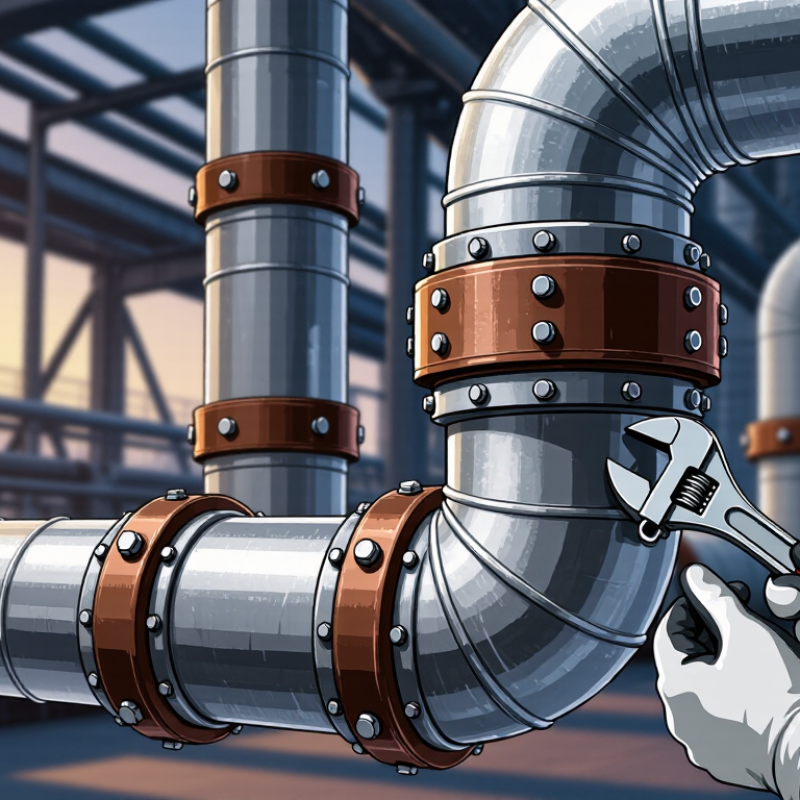
Sleeve pipe repair places a fitted casing around a damaged section of pipe. Depending on the design, technicians may bolt or weld a steel sleeve in place, or apply an engineered composite system. The repair can reinforce localized corrosion, cracks, or leaks without replacing a long pipe run. It is used in water networks, industrial plants, and some oil and gas pipelines. Not every sleeve is suitable for every service. Pressure, temperature, pipe material, fluid, and damage depth must be checked before selection.
The American Society of Civil Engineers’ 2021 Report Card for America’s Infrastructure describes roughly 2.2 million miles of drinking-water pipes in the United States and estimates that about 6 billion gallons of treated water are lost daily.
These figures show why localized repairs matter, but they do not prove that a sleeve is the right fix for any particular leak.
A field assessment should check remaining wall thickness and whether damage extends beyond the visible area. Small details matter. A sleeve may restore strength, yet hidden internal corrosion can continue. That is an uncomfortable limitation, and it deserves honest inspection and monitoring.
How Are Sleeve Pipe Repair Systems Classified?
Sleeve pipe repair systems are classified by how they carry load and contain pressure. A Type A welded sleeve reinforces a weakened pipe but does not contain internal pressure. A Type B sleeve is designed to contain pressure and is welded to the carrier pipe at its ends. Mechanical split sleeves use bolted sections, while composite sleeves rely on bonded reinforcement rather than a steel shell. These categories are not interchangeable. Selection depends on defect size, remaining wall thickness, operating pressure, pipe material, and installation access.
The AMPP/NACE IMPACT study estimated corrosion costs at US$2.5 trillion globally, or 3.4% of global GDP, and reported potential savings of 15–35% through corrosion-control practices. That figure is not a sleeve-repair performance claim; it underlines why sound inspection and repair selection matter. In the field, a sleeve may need to fit around welds, coating edges, or an uneven pipe surface. Drawings rarely capture every obstacle. Fit matters.
Tips: Confirm the defect dimensions and pressure conditions before specifying a sleeve. Check material compatibility, weldability, and inspection requirements with a qualified pipeline engineer. Record the basis for the chosen repair type; small assumptions can have large consequences.
What Are the Main Sleeve Pipe Repair Types in 2026?
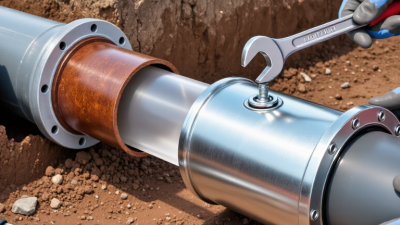
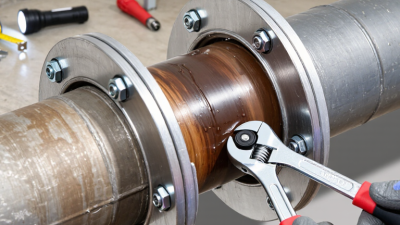
In 2026, sleeve pipe repairs generally fall into mechanical, welded, and composite systems. The right choice depends on pipe material, damage location, operating pressure, temperature, and access. A split mechanical sleeve uses two half-shells and bolts to cover a leak or damaged section. It can be installed without cutting out the pipe, but its sealing performance depends on correct sizing and gasket compression. A bolted clamp is often useful for localized defects. It is not a universal fix.
Welded sleeves are commonly used to reinforce weakened pipe or enclose a damaged area. Full-encirclement designs surround the pipe, while installation requires careful engineering and qualified welding procedures. Composite sleeves use reinforcing fabric and resin applied around the pipe. They can suit some corrosion or wall-loss repairs, but surface preparation and curing conditions matter. Conditions vary. “Sleeve repair” is not one standard solution, and a visual check alone may miss deeper damage.
Tips: Confirm pipe dimensions and defect measurements before selecting a sleeve. Ask for documented pressure and temperature limits, installation instructions, and inspection requirements. Keep the pipe’s material and service conditions in the assessment. If records are incomplete, pause and get an engineer’s review; that extra step can prevent a poor fit.
How Do Materials and Installation Methods Differ?
Sleeve pipe repairs differ mainly in material, load transfer, and field preparation. Split steel sleeves use two curved shells and bolted flanges, making them practical for localized leaks on pressurized lines. Stainless steel offers stronger corrosion resistance, while ductile iron sleeves can suit specific pipe geometries and operating conditions. Composite wraps use fiber reinforcement and resin rather than a rigid metal shell. They are lighter, but depend heavily on clean, dry surfaces and controlled curing. Fit matters.
Installation can be just as decisive as material choice. A bolted sleeve usually needs clearance around the pipe, accurate diameter measurement, and a verified gasket seal. Welded sleeves require qualified procedures and extra caution on live or thin-wall pipe. Composite systems need careful abrasion, moisture control, and consistent overlap; a rushed cure can undermine the repair. The U.S. Environmental Protection Agency’s 2009 infrastructure needs assessment cited roughly 240,000 water-main breaks annually, showing why repairability matters, though that figure does not compare sleeve types.
For context, NACE International’s 2013 IMPACT study estimated corrosion costs at about US$2.5 trillion worldwide, or 3.4% of global GDP. That is not a sleeve-selection rule. Buyers should check pipe material, pressure, temperature, leak location, and surface condition against the repair system’s documented limits. Field measurements can be imperfect, and specifications do not always capture cramped access or wet trenches. An experienced installer’s site assessment remains essential.
| Repair type | Typical materials | Installation method | Typical function and applications | Key selection considerations |
|---|---|---|---|---|
| Full-encirclement welded steel sleeve — Type A | Usually carbon steel; alloy or corrosion-resistant materials may be specified for the service and pipe material. | Two sleeve halves are fitted around the pipe and welded longitudinally. The sleeve ends are not designed as pressure-retaining end seals. | Reinforces a damaged or weakened pipe section when the repair design does not require the sleeve to contain pressure. It is not intended to seal a through-wall leak. | Requires a suitable weld procedure, qualified personnel, access for welding, and assessment of the remaining pipe wall. Hot-work controls and the pipe’s operating condition are important. |
| Full-encirclement welded steel sleeve — Type B | Typically carbon steel, selected to suit the pipe grade, design conditions, and service environment. | Two sleeve halves are welded longitudinally, and the sleeve ends are welded to the carrier pipe to create a pressure-containing enclosure. | Can be designed to contain pressure and address certain leaking or severely damaged locations. Its suitability depends on the engineered repair design. | Needs detailed engineering, qualified welding, inspection, and evaluation of pressure, loads, corrosion, and end-weld stresses. Welding onto an in-service pipe requires specific risk assessment and controls. |
| Bolted mechanical repair clamp or split sleeve | Commonly coated carbon steel or stainless steel, with elastomeric seals such as EPDM, NBR, or other service-compatible compounds. | One-piece or split clamp sections are positioned around the pipe and tightened with bolts. Sealing elements compress against the pipe surface. | Used for localized leaks or external damage where the clamp design, seal, and pressure rating are suitable. Many models can be installed without welding. | Check pipe outside diameter, surface condition, defect dimensions, pressure and temperature ratings, bolt and body materials, and seal compatibility with the fluid. Product ratings and permitted uses vary by design. |
| Engineered composite repair sleeve or wrap | Fiber reinforcement such as glass, carbon, or aramid in a resin matrix, often with a filler or surface-preparation system. | The pipe is prepared, the reinforcement is applied with the specified resin and overlap, and the system cures in place. Some systems use a preformed shell or an additional sealing layer. | Provides structural reinforcement for defined defects when designed and installed for the pipe, service, and loads. A composite system is not automatically a leak seal. | Verify design qualification, defect assessment, pipe preparation, cure conditions, installer competence, and compatibility with operating temperature and chemicals. Follow the applicable engineering standard and system instructions. |
| Pressure-containing split enclosure | Typically fabricated steel halves with bolted or welded connections and engineered end seals; materials and seals depend on service conditions. | The enclosure is assembled around the damaged section, then its longitudinal joints and end-sealing arrangement are completed as specified by the design. | Can form a pressure-containing boundary around a local defect when specifically engineered and qualified for that purpose. | Confirm enclosure design pressure, end-seal details, axial-load management, connection integrity, and inspection requirements. It should not be treated as interchangeable with a non-pressure-retaining reinforcing sleeve. |
| Thermoplastic electrofusion repair sleeve | Usually polyethylene components matched to the pipe material and fusion system; other thermoplastic systems require compatible, approved components. | Pipe surfaces are prepared and aligned, then an embedded resistance wire heats the joint during a controlled electrofusion cycle. | Used on compatible thermoplastic pipelines, including polyethylene systems, for joining or repairing a section when the fitting and procedure are approved for the application. | Check resin and fitting compatibility, pipe dimensions, fusion equipment, surface preparation, alignment, and cooling time. Do not apply this method to metal pipe or assume different thermoplastic grades are interchangeable. |

Selection note: Repair suitability depends on the defect, pipe material and condition, operating pressure and temperature, fluid, external loads, installation access, and applicable codes or regulations. Confirm the repair design and qualified installation procedure before purchase or use.
How Can Global Buyers Select a Suitable Sleeve Repair Type?
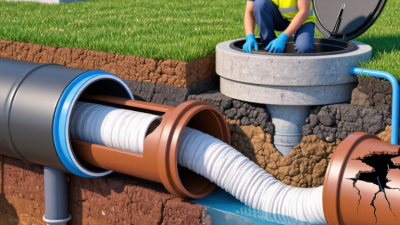
Choosing a sleeve repair starts with the defect, not the product category. A narrow leak, broad corrosion patch, and cracked weld need different assessments. Record the pipe material, outside diameter, wall thickness, operating pressure, temperature, and conveyed fluid. These details help determine whether a bolted split sleeve, welded full-encirclement sleeve, or engineered composite system is appropriate. Access matters too. A sleeve that fits on paper may be difficult to install beside a support or inside a crowded trench.
For active leakage or uncertain damage, have a qualified pipeline professional assess the line and confirm whether it must be isolated before work. Welded sleeves can provide robust reinforcement, but welding may introduce heat and requires suitable procedures and inspection. Bolted sleeves can be practical where welding is restricted, yet sealing depends on correct fit, gasket compatibility, and controlled tightening. Composite repairs may suit some external corrosion or localized defects, but their limits depend on design, surface preparation, and service conditions. Check the repair design against applicable engineering requirements and the pipe operator’s procedures. Small details count. A clean surface, measured defect, and documented installation can change the result. Still, field conditions rarely match drawings perfectly; allow room for reassessment rather than forcing a sleeve onto an uncertain fit.
How to choose: Type A sleeves are designed for reinforcement without containing internal pressure; Type B sleeves are designed to contain pressure when properly engineered and installed. Confirm the pipe condition, applicable code, materials, and installation requirements with a qualified engineer before selecting a repair.