Submit Inquiry
27 West Beaver Creek Road Unit #2
Richmond Hill, ON, CANADA L4B 1M8

International:

1-905-886-0335

US & Canada:

1-800-265-5696

5 Best Sleeve Sewer Line Repair Solutions for Global Buyers?

Choosing a sewer rehabilitation method is rarely as simple as comparing prices. Global buyers must examine pipe condition, access limits, wastewater flow, climate, and installation skills. A reliable sleeve sewer line solution should address structural weakness, leakage, root intrusion, and future maintenance needs.

This article introduces five proven repair solutions for international purchasing teams and project contractors. They include cured-in-place pipe lining, pull-in-place liners, fold-and-form systems, spray-applied coatings, and sectional sleeve repairs. Each method has a different installation process, performance range, and equipment requirement. Cured-in-place lining suits many continuous defects and can reduce excavation. Pull-in-place systems may work better where access is limited. Sectional sleeves can target isolated cracks without treating the entire pipeline.

The details matter.

Professional evaluation should begin with CCTV inspection, cleaning records, flow measurements, and pipe diameter verification. Groundwater pressure, pipe deformation, resin curing conditions, and local discharge requirements also deserve attention. Buyers should request technical data sheets, installation training, batch traceability, testing reports, and realistic warranty terms. Independent inspection can reveal problems hidden behind attractive brochures.

There is no universal best solution. A method that performs well in a dry climate may struggle in cold, wet ground. Low purchase cost can also hide expensive bypass pumping or specialized labor. That is an easy assumption to make. It should be challenged. By comparing material quality, installer experience, maintenance access, and lifecycle value, buyers can make safer and more defensible decisions for global sewer rehabilitation projects.

5 Best Sleeve Sewer Line Repair Solutions for Global Buyers?

Global Buyer Criteria: ISO 11296-4, ASTM F1216, and 50-Year Design Targets

5 Best Sleeve Sewer Line Repair Solutions for Global Buyers?

Global buyers should compare five sleeve approaches: felt-tube CIPP, fiberglass CIPP, UV-cured liners, pull-in-place sleeves, and sectional point-repair sleeves. Each suits different defects, diameters, bends, and access limits. ISO 11296-4 is central for non-pressure sewer rehabilitation using cured-in-place pipes. It addresses design, installation, testing, and quality control. ASTM F1216 provides a widely recognized practice for resin-impregnated tube rehabilitation.

A serious supplier should provide resin data, liner thickness calculations, curing records, and installation procedures. Ask whether the design considers groundwater, soil loads, ovality, temperature, and chemical exposure. A clean video inspection matters. So does accurate flow control during installation.

UV-cured systems can offer consistent curing, while felt liners often adapt well to irregular profiles. Pull-in-place sleeves may handle difficult access, but they need careful anchoring and pressure control. Sectional sleeves are practical for isolated cracks, joints, and short defects.

A 50-year design target is not a promise. It depends on loading, workmanship, inspection, and long-term chemical conditions. Buyers should request structural calculations and documented testing rather than accepting a sales statement. ISO 11296-4 and ASTM F1216 support disciplined evaluation, but neither replaces project-specific engineering. Some specifications look complete yet omit groundwater pressure. That is a weakness worth challenging. Require batch traceability, installer qualifications, independent quality checks, and post-cure inspection before approving the completed sewer.

CIPP Sleeves: ASTM F1216 Design for Full-Length Structural Renewal

Cured-in-place pipe (CIPP) sleeves are a leading option for full-length structural sewer renewal. ASTM F1216 requires design checks for groundwater, soil loads, traffic loads, host-pipe ovality, and installation conditions. The calculation also considers resin stiffness, liner thickness, curing method, and safety factors. Design comes first.

For global buyers comparing five sleeve sewer repair solutions, full-length structural CIPP suits cracked, leaking, or partially collapsed pipelines. Sectional sleeves address isolated defects, while lateral liners repair short branch connections. Pull-in-place liners can reduce setup needs in smaller pipes. UV-cured and thermally cured systems offer different control, speed, and energy profiles. The correct choice depends on diameter, access points, flow conditions, and rehabilitation length.

No design model is perfect. Field data is often incomplete.

The U.S. Environmental Protection Agency’s 2022 Clean Watersheds Needs Survey estimated $630.1 billion in wastewater infrastructure needs over 20 years. That figure shows why durable, low-excavation renewal matters. ASTM F1216 design files should include measured CCTV findings, groundwater assumptions, load calculations, resin data, and post-installation inspection records. A 2023 industry infrastructure review also identified aging sewer networks as a major rehabilitation driver, but local asset data remains uneven.

Tips: Request independent thickness calculations and verify site measurements before ordering. Measure twice. Confirm curing temperature, liner wet-out, and reinstatement quality. Do not accept a generic design for every pipeline.

Pull-In-Place Liners: ASTM F1216 Testing for Localized Sewer Rehabilitation

Pull-In-Place Liners: ASTM F1216 Testing for Localized Sewer Rehabilitation

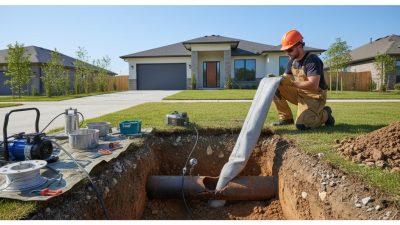
Global sewer networks face aging pipes, difficult access, and rising excavation costs. The U.S. Environmental Protection Agency’s 2022 Clean Watersheds Needs Survey identified about $630.1 billion in clean-water infrastructure needs through 2041. Localized defects often require precise rehabilitation, not unnecessary full-scale replacement. Pull-in-place liners can address cracked sections, leaking joints, and short offset areas through limited excavation points.

ASTM F1216 provides a recognized framework for designing and installing cured-in-place liners. Buyers should request verified resin data, liner thickness calculations, and independent laboratory results. Flexural modulus and tensile strength affect how the liner responds to groundwater pressure and soil loads. Installation records should also document cleaning, CCTV inspection, resin saturation, curing temperature, and post-installation testing. Small details matter.

For international projects, specifications should account for pipe diameter, groundwater conditions, chemical exposure, and local access limits. The American Society of Civil Engineers gave U.S. wastewater infrastructure a D+ grade in its 2021 Infrastructure Report Card, showing the scale of network deterioration. Pull-in-place systems may reduce traffic disruption and surface damage, but they are not automatically suitable for every defect. A distorted host pipe can complicate placement. In practice, some design assumptions remain imperfect, especially when field data is incomplete. Careful inspection and ASTM-based verification reduce that uncertainty.

UV-Cured CIPP Sleeves: ISO 11296-4 Quality Control and Rapid Installation

For global buyers comparing sleeve sewer line repair solutions, UV-cured CIPP sleeves deserve close attention. They use resin-impregnated reinforcement installed inside an existing pipe. Ultraviolet light then activates the resin. This process can reduce curing time and limit road disruption.

Reliable installation begins before the sleeve enters the line. Crews should complete CCTV inspection, cleaning, flow control, and accurate diameter measurements. ISO 11296-4 provides a framework for quality requirements in cured-in-place pipe rehabilitation. Buyers should request resin batch records, liner thickness data, light-train calibration, curing logs, and documented inspection results. Small details matter. A poorly sealed end can cause early failure.

UV curing also supports predictable project planning. The installation team can monitor pull-in tension, light speed, temperature, and curing energy. Post-cure inspection should check wrinkles, lifts, incomplete curing, and service connections. Independent testing may include flexural properties, leak testing, and sample verification. Requirements vary by region, so local standards still need review.

From field experience, access conditions often decide success more than the sleeve itself. Narrow shafts, heavy groundwater, or unstable flows can slow a rapid installation. That is easy to underestimate. Buyers should evaluate installer training, emergency procedures, spare equipment, and technical support. UV-CIPP is not perfect, but disciplined quality control makes its performance more predictable.

5 Best Sleeve Sewer Line Repair Solutions for Global Buyers

UV-Cured CIPP Sleeves: ISO 11296-4 Quality Control and Rapid Installation

The chart compares representative installation windows after site preparation. UV-cured CIPP sleeves generally provide the fastest curing cycle, while steam- or water-cured liners, pull-in-place liners, close-fit liners, and sliplining typically require longer installation or curing periods. Actual time depends on pipe diameter, liner length, groundwater, access, cleaning, bypass pumping, and site conditions.

ISO 11296-4 quality control for CIPP commonly covers liner materials, thickness, curing, installation records, and post-installation inspection. The ranges shown are indicative industry-practice values, not project guarantees.

Point-Repair Sleeves: EN 15885 Classification for Short Sewer Defects

Point-repair sleeves offer a focused answer when a sewer has a short crack, leaking joint, or isolated hole. They avoid unnecessary excavation and reduce disruption above ground. For global buyers, EN 15885 provides a useful language for comparing repair and renovation techniques. It helps distinguish localized repair from full-length lining or replacement. However, the classification does not prove product quality by itself.

A buyer should request the relevant EN 15885 technique classification, host-pipe compatibility, diameter range, sleeve length, resin type, curing method, and expected service conditions. CCTV inspection should confirm the defect before installation. After curing, another inspection can reveal wrinkles, incomplete bonding, or infiltration. Field reality is messier. Poor cleaning can weaken an otherwise sound installation.

The need is substantial. The U.S. Environmental Protection Agency’s 2022 Clean Watersheds Needs Survey estimated 630.1 billion dollars in wastewater infrastructure needs. The ASCE 2021 Infrastructure Report Card rated U.S. wastewater infrastructure D+. These figures support targeted repairs, especially where excavation costs are high or access is restricted. Still, short sleeves are not suitable for every defect. Severe deformation, unstable host pipes, or long continuous damage may require a different engineered solution. That limitation deserves honest attention.

123