Submit Inquiry
27 West Beaver Creek Road Unit #2
Richmond Hill, ON, CANADA L4B 1M8

International:

1-905-886-0335

US & Canada:

1-800-265-5696

China Best Sleeve Pipe Repair Solutions for Global Buyers

Aging water networks are creating a measurable need for dependable repair options. The U.S. Environmental Protection Agency’s 2023 Drinking Water Infrastructure Needs Survey and Assessment estimates that the country needs $625 billion in drinking-water infrastructure investment over 20 years. This figure covers more than pipe repair, and it is not a global forecast. Still, it shows the scale of renewal facing utilities and contractors.

For global buyers, sleeve pipe repair can offer a practical way to reinforce damaged sections without replacing an entire pipeline. Performance depends on the pipe material, defect size, operating pressure, fluid, and installation conditions. Small details matter. A sleeve that fits poorly can create delays, even when its materials appear suitable. Buyers evaluating suppliers in China should review dimensional tolerances, material traceability, pressure-test records, and documented project experience. Ask how the product performs under the actual service conditions—not only in a catalogue.

Evidence matters more than broad promises. Request test methods and reports, then confirm that they match the intended application. Where possible, compare technical documents with independent inspection results. Not every sleeve is right. Repair planning also needs sound site assessment and qualified installation; product choice alone cannot guarantee a durable outcome. Some specifications may remain uncertain until the pipe is exposed. That is worth acknowledging. This guide examines selection points, supplier checks, and practical questions global buyers can use when comparing China-based sleeve pipe repair solutions.
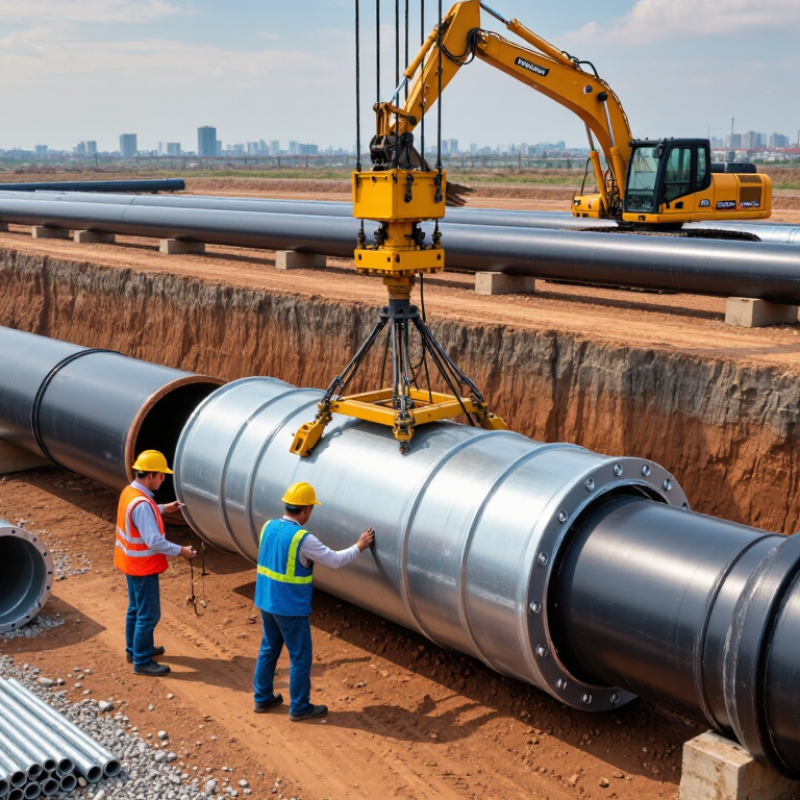
China Best Sleeve Pipe Repair Solutions for Global Buyers

Pipe Sleeve Repair Types: Type A, Type B, and Composite Systems

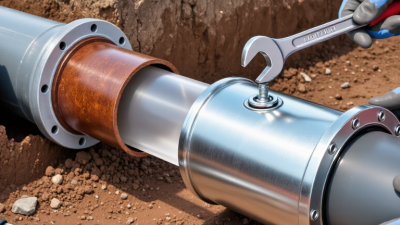
For global buyers, sleeve selection begins with the defect, not the product name. Type A sleeves reinforce a pipe but are generally not designed to contain pressure. They suit certain non-leaking defects, such as localized wall loss. Type B sleeves are designed for pressure containment and typically require carefully qualified welds. That difference matters. API 570 and ASME PCC-2 provide relevant inspection and repair guidance; buyers should confirm the applicable edition and project requirements with qualified engineers.

Composite systems use engineered wraps rather than a welded steel sleeve. Their performance depends on pipe material, surface preparation, temperature, pressure, and fluid exposure. A damp, poorly prepared pipe can undermine adhesion. Not a small detail. Installation procedures and inspection records deserve the same scrutiny as strength calculations. This is where specifications can feel less tidy than catalogs suggest.

The U.S. EPA’s 2021 Drinking Water Infrastructure Needs Survey and Assessment estimated $625 billion in drinking-water infrastructure needs over 20 years. That figure is not sleeve-specific, but it illustrates the scale of asset renewal decisions. For overseas projects, buyers should request design calculations, material traceability, qualified installation procedures, and documented inspection criteria. A sleeve may look sound from the outside. Its limits still need checking.
Damage Assessment: Measure Wall Loss, Defect Length, and Operating Pressure

Before selecting a sleeve repair, quantify the defect rather than judging it by appearance. Map wall thickness with calibrated ultrasonic readings, recording the deepest loss and affected area. Measure defect length along the pipe, noting whether corrosion is isolated, grooved, or near a weld. Small pits can hide broad thinning. Record pipe diameter, material grade, seam location, and measurement uncertainty; field readings are rarely perfect. NACE International’s 2016 IMPACT study estimated global corrosion costs at US$2.5 trillion annually, based on 2013 data. This figure covers many industries, not pipelines alone.

Operating pressure changes the repair decision. Record normal, maximum, and transient pressure, including pump starts or pressure surges. One gauge reading can mislead. Use an accepted fitness-for-service method, such as API 579-1/ASME FFS-1, or an applicable pipeline metal-loss assessment. The evaluation should connect remaining wall thickness and defect length with pipe geometry, material strength, and pressure. Have a qualified pipeline engineer review the measurements before specifying sleeve dimensions or installation. That step is easy to underestimate.

China Best Sleeve Pipe Repair Solutions for Global Buyers - Damage Assessment: Measure Wall Loss, Defect Length, and Operating Pressure

Assessment Case Pipe Outside Diameter Nominal Wall Thickness Minimum Measured Wall Calculated Wall Loss Defect Length Operating Pressure Assessment Focus Repair Planning Consideration
Case 1: External corrosion 323.9 mm 10.3 mm 6.8 mm 34.0% 120 mm 6.4 MPa Map the corroded area and verify the minimum wall with calibrated ultrasonic thickness measurements. Confirm defect width, remaining strength, material properties, and sleeve design requirements before selecting a repair.
Case 2: Localized metal loss 508.0 mm 12.7 mm 9.1 mm 28.3% 240 mm 8.0 MPa Establish the full axial and circumferential extent of the metal loss; check for interacting nearby indications. Evaluate operating loads, pressure history, and the applicable repair code when determining sleeve length and configuration.
Case 3: Deep, short corrosion feature 219.1 mm 8.2 mm 4.9 mm 40.2% 85 mm 3.2 MPa Verify the deepest point and check for cracking, pitting, or a leak path using suitable inspection methods. Do not use wall-loss percentage alone to approve continued operation or a repair; complete a qualified fitness-for-service assessment.
Case 4: Extended shallow metal loss 609.6 mm 15.9 mm 13.0 mm 18.2% 310 mm 7.5 MPa Measure the full defect length and width, including any gradual transitions beyond the visibly affected area. Check whether the proposed sleeve covers the complete assessed defect and allows for installation and inspection requirements.
Case 5: Corrosion near a pipe feature 406.4 mm 9.5 mm 6.0 mm 36.8% 160 mm 5.0 MPa Record the defect position relative to girth welds, attachments, and other stress concentrators. Review access, weldability, pipe grade, and the effects of sleeve installation on the adjacent feature.

Calculation and use: Wall loss is calculated as (nominal wall thickness − minimum measured wall) ÷ nominal wall thickness × 100. These representative values are illustrative, not field records or repair approvals. Final decisions require verified inspection data and assessment by qualified pipeline engineers under the applicable codes and jurisdictional requirements.

Design Qualification: ISO 24817, ASME PCC-2, and 20-Year Service-Life Targets

China Best Sleeve Pipe Repair Solutions for Global Buyers

Design Qualification: ISO 24817, ASME PCC-2, and 20-Year Service-Life Targets

A sleeve repair should be qualified for the actual defect, pipe, and operating conditions—not selected by diameter alone. For composite systems, ISO 24817 and ASME PCC-2 provide recognized design and assessment frameworks. Their use does not automatically certify every repair or guarantee a fixed service life.

Engineers need reliable field data: pipe outside diameter, remaining wall thickness, defect length, pressure, temperature, and fluid chemistry. A small leak under steady conditions differs from a growing crack exposed to pressure cycling. Surface preparation matters, too. Dust, moisture, or an uneven profile can weaken bonding. Record these details before design approval.

A 20-year service-life target should be treated as a design objective, not a promise. Calculations should account for loads, material compatibility, installation quality, and the repair’s inspection plan. Keep cure records, surface-preparation checks, and traceable material data with the repair file. Then define how and when the area will be inspected. Some assumptions may still be uncertain, especially on aging lines with incomplete records. That deserves honest review. A qualified design is only as dependable as the site information and workmanship behind it.

Material Selection: API 5L X52 Steel Has a 359 MPa Minimum Yield Strength

API 5L X52 pipe is commonly considered for sleeve repairs because its specified minimum yield strength is 52,000 psi, or about 359 MPa. API Specification 5L, 46th Edition, sets out this grade value; ISO 3183:2019 provides the international framework for line-pipe requirements. That number matters. It describes the minimum yield strength of the pipe material, not a safe operating pressure or a guaranteed repair capacity.

In practice, sleeve selection must account for the damaged pipe, not just the replacement steel grade. A sleeve around a corroded section needs a close fit and a repair design suited to the pipe’s pressure, wall thickness, and loading. Consider a pipe with a clean-looking surface but deep pitting beneath a coating. Local wall measurements can change the assessment. API 5L material properties alone cannot confirm that a repair is suitable.

For buyers, request traceable material certificates showing grade, heat number, and test results, then have qualified engineers verify the repair design against the measured pipe condition. Check fit-up, weldability, and inspection access before installation. Small gaps matter. One practical limitation is that site measurements and coating removal may be imperfect; recording those uncertainties is better than treating the nominal X52 value as a complete answer.

Evaluating Chinese Suppliers: Verify Testing, Traceability, and Installation Support

For a sleeve pipe repair, a test report is useful only when its scope is clear. Ask which sample was tested, under what conditions, and against which acceptance criteria. Check that pressure or load results match the intended pipe material, size, and service conditions. A clean-looking certificate is not enough. Ask for the underlying report.

Traceability should connect the repair sleeve to its material records and production batch. Confirm that key dimensions, material grades, and inspection results can be linked to the delivered item. Labels and batch numbers should remain readable after shipping. One gap is easy to miss: a certificate may describe a material type without identifying the supplied batch. Ask for that link.

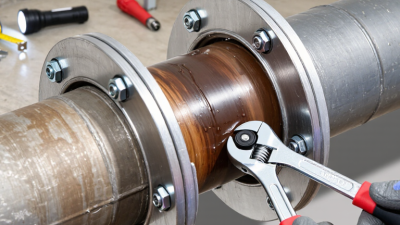
Installation support matters just as much as factory testing. Request clear steps for surface preparation, alignment, fastener sequence, and any specified tightening values. Ask how the procedure changes for limited access, uneven surfaces, or corrosion around the pipe. Good suppliers can explain these limits and provide practical guidance, not just a generic manual. That matters. Remote advice may not replace an on-site assessment, and real pipe conditions can be less tidy than drawings suggest. Check what support is available before ordering.

How to use this checklist: Request test reports and material evidence, confirm product and production traceability, and verify that installation guidance matches the repair method and site conditions. Bars show the number of example checks listed for each category—not supplier performance data.

123