2026 Top No Dig Sewer Pipe Repair Methods and Costs
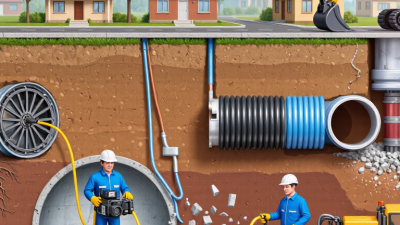
A slow drain, a damp patch in the yard, or a sewer smell near the house can signal pipe damage. By the time symptoms appear, roots, corrosion, or shifting soil may have weakened a section underground. In 2026, no dig sewer pipe repair gives property owners ways to address some failures without opening a long trench. Common methods include cured-in-place pipe lining, pipe bursting, and localized point repairs. Each works differently. Some form a new lining inside the old pipe; others replace the damaged section through small access points. Less excavation can mean less disruption to landscaping, paving, and daily routines. Still, no method fits every pipe. That matters.
Costs depend on the pipe’s length, diameter, material, condition, and access. A short liner repair may cost far less than replacing a long, collapsed run, but local labor and equipment rates also shape the estimate. A camera inspection can reveal cracks, root intrusion, standing water, or a belly in the line. Those details help a qualified contractor recommend a suitable repair and explain its limits. Ask for an itemized quote covering inspection, repair length, cleanup, and any follow-up testing. Compare the proposed work, not just the headline price. Cheap is not always complete. This guide reviews leading no-dig methods and the factors behind their costs, so you can ask clearer questions before choosing a repair. Estimates remain estimates; the actual pipe may tell a less convenient story.
Understanding No-Dig Sewer Pipe Repair
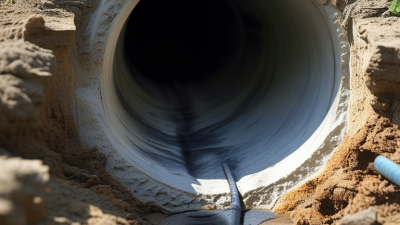
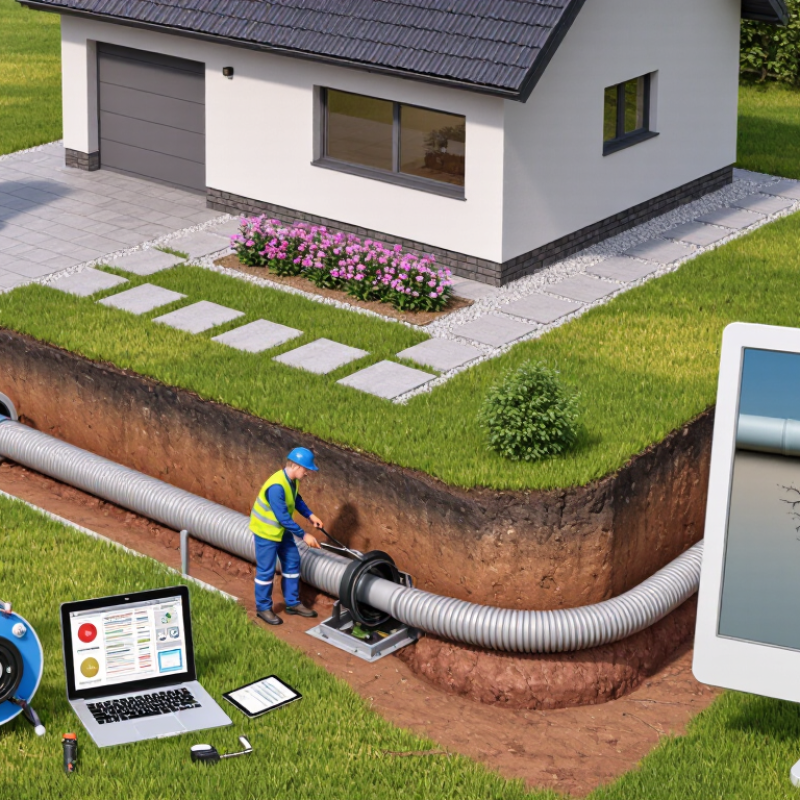
Understanding no-dig sewer repair starts with knowing what lies beneath the yard. A technician usually sends a camera through an access point to inspect the pipe’s material, shape, and damage. Roots may show as fine strands. A shifted joint can appear as a dark gap. The footage helps identify options, but it does not reveal every soil condition or hidden connection.
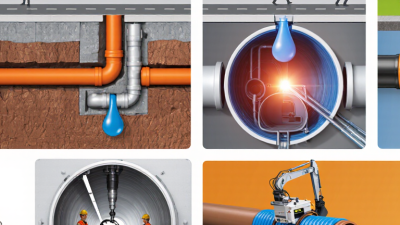
Cured-in-place pipe lining places a resin-coated liner inside the existing pipe, then hardens it into a new interior surface. It can address cracks and small leaks without digging up a lawn. Pipe bursting works differently: a tool breaks the old pipe while drawing a replacement into place. It may suit badly damaged lines, but needs room for access pits. Not every pipe qualifies. Severe collapses, sharp bends, or poor access can make trenching more practical.
Costs vary with pipe length, depth, access, damage, and local labor. A short repair beneath a clear driveway is not comparable to a long, deep line beneath landscaping. Ask for the inspection footage, repair limits, and any extra excavation charges in writing. A camera view can still mislead; debris may hide a defect. That matters. It is sensible to compare the proposed method with the actual findings, rather than assume “no-dig” means no disruption or no uncertainty.
How Sewer Pipes Are Inspected and Damage Is Diagnosed
A sound repair plan begins with evidence, not a guess from a wet patch in the yard. Technicians often start by reviewing pipe age, material, repair history, and household symptoms. They may use a sewer cleanout to run a camera through the line. The footage can reveal roots, cracks, displaced joints, grease buildup, or a sag where water collects. Small details matter. A thin trickle may point to infiltration, while standing water can signal a belly or blockage.
A trained inspector records defect location and severity, rather than relying on a vague “damaged pipe” label. NASSCO’s Pipeline Assessment and Certification Program provides standardized codes for documenting pipe defects from CCTV inspections. Those records help compare findings and select a repair method. Still, a camera view has limits: heavy deposits or bends can hide damage, and an image does not always show whether a crack leaks. That judgment is not perfect.
Broader system data explains why careful diagnosis matters. The U.S. EPA’s 2004 report on sanitary sewer overflows estimated 23,000 to 75,000 overflows annually; this is an older estimate, not a current count. ASCE’s 2021 Infrastructure Report Card assigned wastewater infrastructure a D+ grade. These figures describe system-wide pressures, not an individual home’s condition. For a private lateral, inspectors may pair CCTV footage with flow observations, locating equipment, or a targeted excavation when evidence conflicts. A second look can be worthwhile. Repair decisions should follow documented findings, not camera footage alone.
2026 Top No Dig Sewer Pipe Repair Methods and Costs - How Sewer Pipes Are Inspected and Damage Is Diagnosed
Planning estimates: The ranges below reflect typical U.S. residential work in 2026, in U.S. dollars. Actual costs depend on pipe diameter, depth, access, material, local labor rates, permits, and the amount of cleaning or preparation required. A site-specific inspection and written quote are needed for an accurate price.
Common Sewer Inspection and Diagnostic Methods
| Inspection method |
What it can reveal |
Typical U.S. cost |
Common diagnostic clues |
| CCTV sewer camera inspection |
Interior condition of an accessible pipe, including joints, cracks, roots, deposits, and standing water. |
$150–$500 per inspection |
Cracks, displaced joints, root intrusion, corrosion, scale, blockages, or a sag that holds water. |
| Sonde locating and surface marking |
Approximate route and depth of a camera transmitter or other detectable point in the sewer line. |
$100–$400; often combined with camera work |
Helps mark the location of a defect for a targeted repair; accuracy can be affected by depth and site conditions. |
| Smoke testing |
Possible openings or unintended connections in a sewer system, particularly where several lines or structures are involved. |
$200–$600 for a limited residential test |
Smoke emerging from a yard, floor drain, or other opening can indicate a leak or connection issue; results require interpretation. |
| Dye testing |
Whether water from a selected fixture or area reaches a suspected drain or outlet. |
$100–$300 for a simple test |
Colored water appearing at an unexpected location may point to a cross-connection, leak, or drainage pathway. |
| Isolation or hydrostatic testing |
Whether an isolated section holds water or pressure under controlled test conditions. |
$250–$800 |
A measurable loss may indicate leakage, but the test must be set up correctly and interpreted alongside camera findings. |
No-Dig and Related Sewer Repair Options
| Repair method |
How it works |
Often considered for |
Typical planning cost |
Key considerations |
| Cured-in-place pipe (CIPP) lining |
A resin-saturated liner is inserted into the existing pipe and cured to form a new lining inside it. |
Cracks, small leaks, and deterioration where the host pipe retains enough shape for lining. |
About $80–$250 per linear foot; many residential projects total roughly $4,000–$12,000 |
The line usually needs cleaning and a clear access point. Severe collapse or major deformation may rule it out; lining slightly reduces the inside diameter. |
| Pipe bursting |
A bursting head breaks apart the old pipe while pulling a replacement pipe through its path, generally between access pits. |
Extensively damaged or undersized lines where the route and surrounding conditions allow replacement by bursting. |
About $60–$200 per linear foot; many residential projects total roughly $5,000–$15,000 |
Requires access pits and adequate space. Nearby utilities, bends, depth, soil conditions, and the condition of connected pipes can affect feasibility and price. |
| Sectional or spot lining |
A short liner is installed across a localized defect rather than lining the full sewer run. |
One or a few isolated cracks, leaking joints, or localized areas of deterioration. |
About $1,500–$5,000 per repair area |
A camera inspection should confirm the defect location and condition of the surrounding pipe. Multiple defects may make full-length rehabilitation more practical. |
| Localized excavation and spot replacement |
The damaged section is exposed and replaced, with the surface restored afterward. |
A collapsed section, severe offset, or defect that cannot be reliably repaired from inside the pipe. |
About $2,000–$8,000 or more per location |
Not trenchless. Depth, paving, landscaping, shoring, utility conflicts, and restoration can substantially increase the total. |
| Open-trench pipe replacement |
A trench is excavated to remove and replace a longer section or the full line. |
Extensive collapse, poor pipe alignment, or conditions that make trenchless rehabilitation unsuitable. |
About $50–$250 per linear foot; site restoration may be additional |
Although not no-dig, it can be necessary when the pipe has lost structural integrity or its route and connections need correction. |
Typical diagnostic sequence: Confirm the affected fixtures and symptoms, locate an accessible cleanout, clear obstructions if needed, inspect the line with a sewer camera, record defect locations, and select additional tests only when the camera findings do not explain the problem. A blockage alone does not prove that a pipe is structurally damaged.
Top No-Dig Sewer Repair Methods in 2026
2026 Top No Dig Sewer Pipe Repair Methods and Costs
Top No-Dig Sewer Repair Methods in 2026
No-dig repair can renew or replace damaged sewer lines with limited excavation. The right method depends on a camera inspection, pipe condition, and access. Cured-in-place lining fits a resin-coated tube inside the existing pipe, then hardens it in place. It can seal cracks and small leaks, but may not suit a collapsed or badly misshapen line. Not every pipe qualifies.
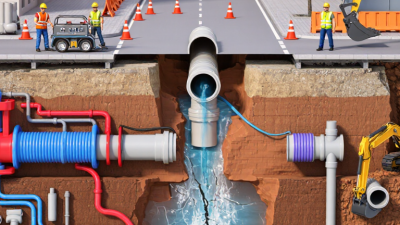
Pipe bursting replaces a failing line by pulling a new pipe through the old one while breaking the old pipe outward. It needs room for access pits and careful checks for nearby utilities. For a small, isolated defect, a short liner or spot repair may avoid treating the entire run. Roots and stubborn obstructions sometimes require mechanical cutting before repair.
Costs vary with repair length, depth, pipe material, site access, and surface restoration. A shallow yard line is usually simpler to reach than a pipe beneath a driveway or building. Ask for inspection footage and a written scope that explains the proposed method, excavation needs, and any excluded work. Prices alone can mislead. I would also confirm that the proposed repair matches the observed damage; a liner cannot fix every structural problem.
Comparing Methods and Choosing the Right Repair Option
Choosing a repair method starts with the defect, not the sales pitch. A sewer camera can reveal cracks, root intrusion, offsets, and standing water. Cured-in-place pipe lining creates a new layer inside the existing pipe. It avoids major digging, but may slightly reduce the pipe’s interior diameter. Best for sound pipe.
Pipe bursting replaces a damaged line by pulling a new pipe through while breaking apart the old one. It suits severely damaged pipes, though access pits and nearby utilities can affect feasibility. Budgetary U.S. installed costs often range from about $80–$250 per foot for lining and $60–$200 for pipe bursting. Actual quotes vary with depth, length, labor, and site access. Costs climb when crews must work around concrete or landscaping.
Open-cut replacement exposes the pipe directly, making it useful for collapsed sections, severe misalignment, or incorrect slope. The trade-off is restoring lawns, paths, or driveways afterward. Ask for camera footage, a written scope, and separate prices for excavation and surface repairs. A common mistake is assuming trenchless always means cheaper. That assumption can fail. Compare the proposed repair with the pipe’s material, remaining condition, and expected service life.