2026 Best Types of Internal Sewer Pipe Repair
Choosing among the best types of internal sewer pipe repair starts with understanding what is happening inside the line. A camera inspection can reveal root intrusion, cracks, displaced joints, corrosion, or a collapsed section. Each defect calls for a different response. Cured-in-place pipe lining can renew many damaged pipes from within, while pipe bursting may replace a severely deteriorated line. Localized defects may need a spot repair instead. No method fits every pipe.
The need is substantial. The U.S. Environmental Protection Agency’s 2022 Clean Watersheds Needs Survey estimated $630.1 billion in wastewater infrastructure investment needs over 20 years, including collection systems. That figure describes national infrastructure needs, not the cost of residential repairs. For homeowners, the practical choice depends on pipe material, access, flow conditions, and the extent of damage. A specialist’s inspection matters; a liner cannot correct every structural failure.
This guide compares the main internal sewer pipe repair methods, their limitations, and the conditions each may suit. It also considers disruption, durability, and what to ask a contractor before work begins. One detail deserves care: no source article or verified expert quotation was provided for this request. A named specialist’s exact words should be checked against an original source rather than invented. That caution is part of reliable repair advice.
What Internal Sewer Pipe Repair Involves
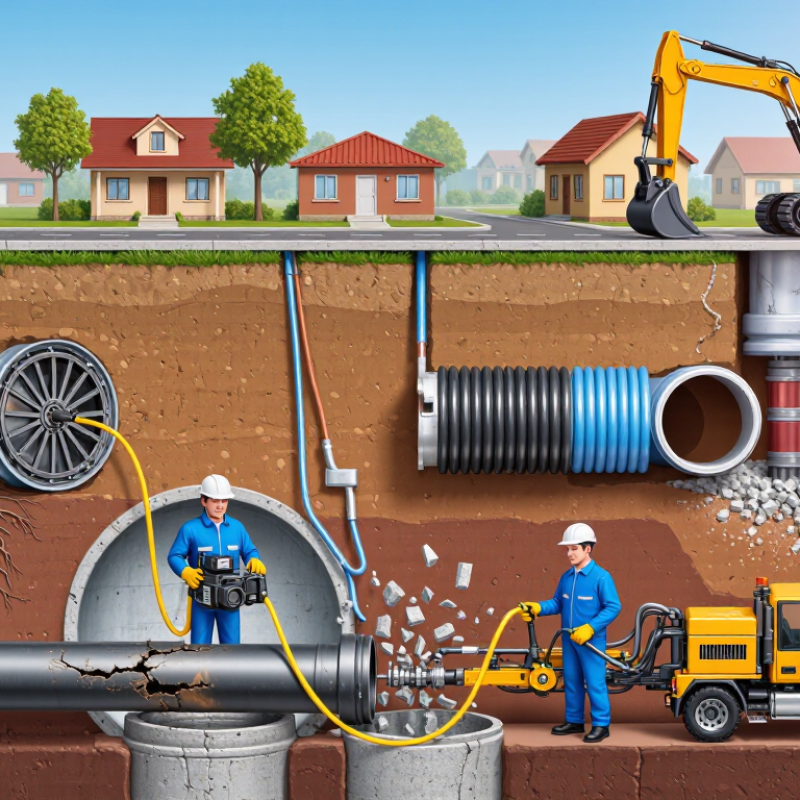
Internal sewer pipe repair addresses damage from inside the existing line, often without digging up the full yard. A technician typically starts with a camera inspection. The camera reveals cracks, root intrusion, displaced joints, or standing water, while also showing where the problem begins and ends. The pipe may need cleaning before repairs can be selected. Grease and scale can hide defects. Cleaning does not fix structural damage.
For a small, isolated defect, a short liner or patch may cover the damaged section. For longer stretches, a resin-saturated liner can be pulled or inverted into the pipe, then cured to form a new inner surface. The repair method depends on pipe condition, shape, access, and the location of connections. Not every line is a good candidate. A badly collapsed pipe may not provide enough room for a liner, and hidden bends can complicate installation. After curing, another camera inspection can check coverage and confirm that water flows through the line. It is tempting to treat a smooth-looking video as proof of a perfect repair, but records of the inspection and repair details matter too.
How Sewer Pipe Damage Is Inspected from the Inside
A sewer pipe is often inspected from the inside with a small CCTV camera attached to a flexible cable. A technician feeds it through an existing cleanout or access point while watching the live image. The camera’s lights reveal details that a surface check cannot show. A location transmitter can also help mark a defect’s position above ground.
The footage may show cracks, separated joints, root intrusion, corrosion, or a low section where water collects. Scale and debris can hide damage, so pipes are sometimes cleaned before inspection. The technician should note the defect’s distance from the entry point and record clear images for review. Small details matter. A dark line may be a crack, but it could also be a stain or shadow. That judgment can be imperfect.
A video inspection helps determine whether a repair from inside the pipe may be suitable, but it does not answer every question. Standing water, heavy deposits, or a collapsed section can block the camera’s view. In those cases, another inspection or assessment may be needed before choosing a repair. A careful report should describe what was visible, what remained uncertain, and where the affected section lies.
The Main Types of Internal Sewer Pipe Repair
Full-length cured-in-place pipe lining, often called CIPP, creates a new pipe inside the damaged one. A resin-saturated liner is inserted through an access point, then cured against the existing pipe. It can address cracks and leaking joints without extensive digging. The host pipe still needs adequate shape and clearance. For a short, localized defect, a sectional liner can patch only that area. It is often a practical option when the surrounding pipe remains sound.
Spray-applied coatings form a thin protective layer on the pipe’s interior. They may help with corrosion or minor surface damage, but they are not a fix for every structural failure. This distinction is easy to miss. A camera inspection can reveal cracks, offsets, roots, standing water, or a collapsed section. Severe deformation may require a different repair approach, since an interior lining cannot restore every pipe’s original shape.
Tips: Ask for inspection footage and a written explanation of the proposed repair. Confirm how the crew will clean and prepare the pipe before lining or coating. Small defects matter. If the diagnosis feels uncertain, a second inspection may clarify whether a full liner, spot repair, or another method fits the pipe’s actual condition.
| Repair method | How it works | Commonly suited to | Main advantages | Important limitations |
|---|---|---|---|---|
| Cured-in-place pipe (CIPP) lining | A resin-saturated flexible liner is installed inside the existing pipe and cured in place, commonly using hot water, steam, or ultraviolet light. | Longer sections with cracks, infiltration, corrosion, or other defects where the host pipe can accommodate a liner. | Can rehabilitate a continuous pipe section with limited excavation; the cured liner forms a new pipe within the existing one. | Reduces the pipe’s internal diameter to some degree; severe collapses, major offsets, or obstructed pipes may need other work first. Service connections generally need to be reopened after curing. |
| Short liner (spot repair) | A short resin-impregnated liner is positioned across a localized defect and cured against the pipe wall. | A discrete crack, leaking joint, or other isolated defect in an otherwise serviceable pipe. | Targets a limited area and can avoid lining an entire reach when defects are genuinely localized. | Does not address defects elsewhere in the line; accurate inspection and placement are important. Not appropriate for every structural failure or pipe geometry. |
| Spiral-wound lining | A profiled strip is wound into a liner inside the existing pipe. Depending on the system and design, the annular space may be grouted. | Longer sewer sections, including some larger-diameter pipes, where access and the pipe condition suit the installation method. | Can be installed in sections and is adaptable to a range of pipe diameters; some systems can be installed with limited access. | The finished opening may be smaller than the original; installation details and structural capacity vary by system. The host pipe must be assessed before work begins. |
| Spray-applied lining or coating | A coating material is applied to the prepared interior surface, often in multiple passes. The product and design determine whether it provides protective or structural rehabilitation. | Surface deterioration, corrosion protection, or selected rehabilitation needs where the pipe can be cleaned and prepared adequately. | Can cover internal surfaces and complex shapes without inserting a full-length tube liner. | Surface preparation, thickness control, curing, and product suitability are critical. A coating should not be assumed to restore structural capacity unless its design and testing support that use. |
| Mechanical point repair | A repair sleeve or sealing device is positioned at a specific location and mechanically secured or expanded against the pipe wall. | Certain localized joint leaks or defects where the pipe shape, diameter, access, and repair system are compatible. | Provides a localized repair without installing a continuous liner along the whole pipe section. | Compatibility and long-term performance depend on the device and site conditions. It is not a general solution for widespread deterioration, major deformation, or missing pipe sections. |
| Selection note: The appropriate method depends on CCTV inspection findings, pipe material and diameter, defect location and extent, flow conditions, access, and structural requirements. Local codes and project specifications should guide final design and installation. | ||||
How to Choose the Right Repair Method
Choosing an internal sewer repair method starts with a clear diagnosis. A camera inspection can show whether the problem is a small crack, a separated joint, root intrusion, or a collapsed section. Ask the contractor to identify the defect’s location and check the pipe’s material, diameter, and condition. A useful inspection report includes footage or images, not just a vague recommendation. Details matter.
A short, isolated defect may suit a spot repair, while a pipe with several cracks may be a better candidate for lining. Lining creates a new surface inside the existing pipe, but it can reduce the pipe’s diameter slightly and may not work well with severe bends or a badly collapsed section. Pipe bursting can replace a damaged run without opening the entire floor or yard, though access points and nearby utilities affect whether it is practical. Sometimes excavation and full replacement are the more dependable choice. Messier, yes.
Compare methods against the actual layout, not only the quoted price. Ask how connections, cleanouts, and changes in pipe direction will be handled. Confirm whether the repair restores proper slope; a smooth interior cannot fix standing water caused by poor grading. Request a written scope, expected disruption, and post-repair testing plan. I would be cautious about promises of a “permanent” fix before the full pipe has been inspected. Repair choices are rarely tidy.
2026 Best Types of Internal Sewer Pipe Repair — How to Choose the Right Repair Method
How to read this chart: The index classifies typical repair scope, not measured performance: 1 = localized repair; 2 = continuous-length repair or replacement. Spot repair is intended for a limited damaged section. CIPP lining, sliplining, and pipe bursting are generally used for continuous sections; suitability depends on pipe condition, access, diameter, material, and site constraints. Have the pipe inspected before choosing a method.
What to Expect During Repair and Follow-Up Maintenance
Before work begins, the repair team should inspect the pipe, often with a small camera, and explain what the footage shows. The repair method depends on the pipe’s material, damage, and access. A liner may suit some cracks, while a collapsed section may need replacement. Expect some disruption. Water use may be limited, and access panels, floor coverings, or a narrow trench may be needed. Ask how long the work and any curing time will take. Small details matter: a blocked access route can slow the job, and schedules sometimes slip.
After the repair, request a flow test and, when appropriate, a follow-up camera inspection. Check that sinks drain normally and that toilets flush without gurgling or backup. Keep the written scope and any inspection notes; they can help identify changes later. During routine use, fit drain screens and keep grease, wipes, and bulky debris out of the system. Avoid harsh chemical cleaners unless a qualified professional confirms they are suitable for your pipes. No maintenance plan can prevent every failure. If slow drainage returns, note where and when it occurs, then arrange an assessment rather than assuming the repair has failed.
Related Posts
-
What Are China Top 10 Sewer Pipe Repair Companies?
-

Why Choose No Dig Sewer Repair for Global Projects?
-
How to Effectively Repair Your Sewer Line Without Digging for Long Lasting Results
-
How to Repair Sewer Lines Without Digging Easily?
-
How to Successfully Navigate the Sewer Line Relining Process: A Complete Guide
-
5 Best Sleeve Sewer Line Repair Solutions for Global Buyers?