Submit Inquiry
27 West Beaver Creek Road Unit #2
Richmond Hill, ON, CANADA L4B 1M8

International:

1-905-886-0335

US & Canada:

1-800-265-5696

How to Repair Sewer Lines Without Digging Easily?

In the world of plumbing, traditional sewer line repair can be both invasive and costly. However, innovations in technology have opened new avenues. Renowned plumbing expert, Dr. Emily Sanders, once stated, “The future of sewer line repair lies in methods that keep our landscapes intact.” This assertion underscores the importance of exploring effective strategies for sewer line repair without digging.

Homeowners often dread the thought of disruptive excavation. Thankfully, there are techniques like trenchless repair that minimize disturbance. These methods not only save time but also reduce the overall repair cost. The advancements in technology allow for precise identification of issues without the hassle of digging deep trenches.

Yet, many homeowners remain skeptical. They often wonder, “Can these methods truly solve my sewer problems?” It's vital to approach these solutions with a critical eye. While the benefits are clear, not all situations may be suitable for sewer line repair without digging. Understanding the specific needs of your sewer system is crucial for achieving the best results. The journey to effective, non-invasive plumbing repairs is one that deserves thoughtful consideration.
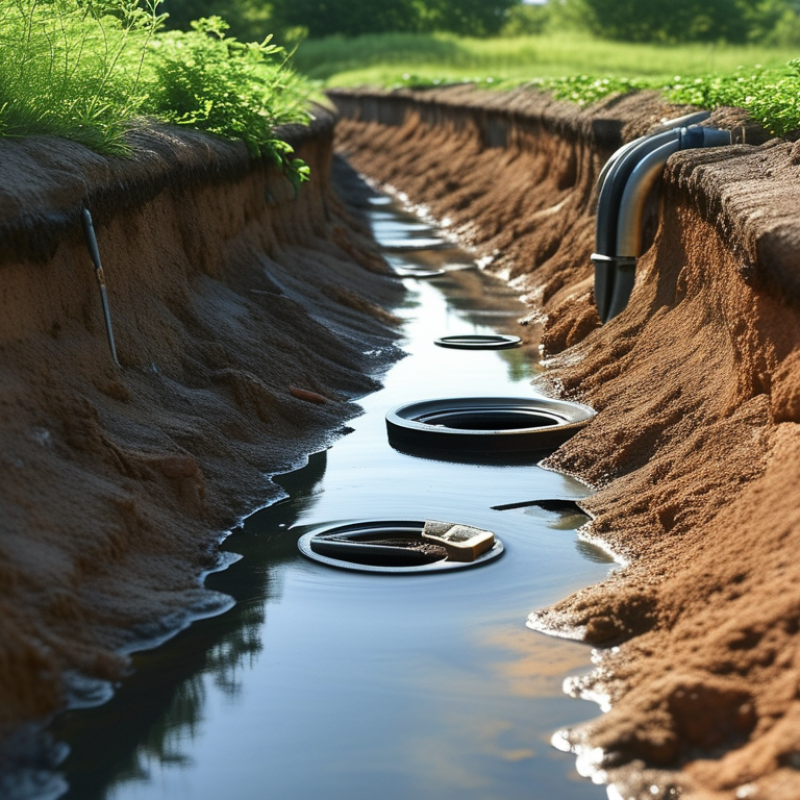
How to Repair Sewer Lines Without Digging Easily?

Understanding the Importance of Non-Invasive Sewer Line Repair Methods

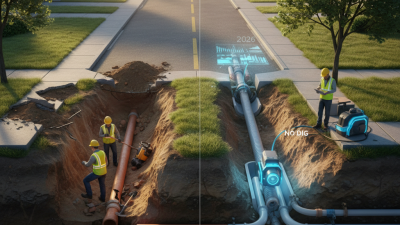
Non-invasive sewer line repair methods have transformed the way homeowners address plumbing issues. According to the American Society of Civil Engineers, up to 75% of sewer issues can be effectively resolved using trenchless technology. This method is less disruptive and can save homeowners both time and money. Traditional digging often leads to extensive yard damage and higher labor costs. In contrast, non-invasive methods are designed to minimize surface disruption.

Utilizing techniques such as pipe relining or cured-in-place pipe (CIPP), contractors can repair damaged pipes without major excavation. A report from the National Association of Sewer Service Companies indicated that trenchless repair methods can cut repair times by up to 50%. This swift approach not only preserves landscaping but also reduces the overall carbon footprint associated with extensive construction activities.

However, it's essential to recognize that non-invasive methods may not suit every situation. For example, severe blockages or root intrusions might still require traditional approaches. Homeowners should consult with experienced professionals to assess the specific conditions of their sewer lines. Understanding the importance of the right method is crucial for effective management of sewer issues and the long-term health of plumbing systems.

Common Problems That Necessitate Sewer Line Repairs Without Digging

Sewer line issues can lead to significant property damage. Common problems often necessitate repairs without digging. One such issue is tree root intrusion. A report from the American Society of Civil Engineers indicates that tree roots cause approximately 30% of sewer line blockages. Those roots can infiltrate pipes, leading to backups and extensive damage.

Another frequent concern is pipe corrosion. Older pipes made from materials like clay or cast iron often corrode over time. According to the Environmental Protection Agency, nearly 10% of sewer systems in the U.S. are made from outdated materials that are prone to deterioration. This corrosion can lead to leaks or collapses in the sewer line, making repair essential.

Moreover, joint failures can occur due to wear and tear. When pipe joints weaken, leaks become common. These structural issues can be addressed through trenchless technology. This method minimizes disruption, saving time and money while ensuring effective repairs. Repairing sewer lines without digging remains a reliable solution to address these pressing problems.

Common Problems That Necessitate Sewer Line Repairs Without Digging

Overview of Techniques Used for Trenchless Sewer Line Repair

Trenchless sewer line repair has become a popular method for addressing pipeline issues without the need for extensive digging. This technique offers a less invasive solution, minimizing disruption to landscaping and existing structures. Two main methods are commonly used: pipe bursting and relining. Both techniques work to restore the functionality of damaged sewer lines while preserving the surrounding area.


In pipe bursting, a new pipe is pulled through the old, broken line. This process breaks the old pipe and replaces it in one step. It requires access points at either end of the damaged section. On the other hand, relining involves inserting a resin-coated liner into the existing pipe, which hardens to create a new pipe within the old one. This method is efficient and can often be completed in a single day.


These techniques show promise, but they are not without limitations. For instance, the success of trenchless methods largely depends on the condition of the existing pipes. Significant blockages or severe damage may require traditional methods. It's essential to have a qualified professional evaluate the system properly to determine the best approach for your situation.

Step-by-Step Process of Performing Relining on Sewer Pipes

Performing relining on sewer pipes is an effective method to repair sewer lines without the mess of digging. A common issue with older pipes is that they can develop cracks or blockages over time. This technique offers a solution using a liner that fits snugly into the existing pipe, creating a new, durable inner wall.

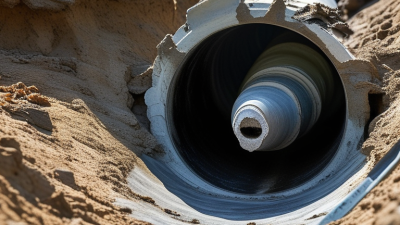
To start the relining process, you must first clean the pipes thoroughly. High-pressure water jets or mechanical cleaning tools can help remove debris and buildup. This ensures proper adhesion and helps the liner fit well. After cleaning, the liner is saturated with a resin that hardens over time. It is then inserted into the prepared pipe. This is done using inflation equipment. Once inflated, the resin begins to cure.

This process is usually quick, reducing the time needed for repairs. However, it does require care and precision. If the initial cleaning is not thorough, the liner may not adhere properly. This can lead to issues later on. Without the right expertise, mistakes can occur during installation as well. Proper training and experience in relining techniques significantly elevate the chances of success. The results can restore your sewer system effectively and efficiently, providing long-term benefits.

Benefits and Considerations of Non-Dig Sewer Line Repair Solutions

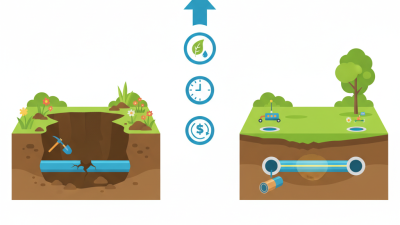
Non-dig sewer line repair solutions have gained traction due to their efficiency and minimal disruption. Many property owners face significant challenges when traditional digging methods are employed. Data from the National Association of Sewer Service Companies indicates that non-dig methods can reduce repair time by 50%, preventing extensive landscaping damage and costly restoration expenses. An average sewer line repair can take several days. However, trenchless options often complete repairs in just hours.

Advantages of these methods are compelling. Non-dig solutions, such as pipe bursting and relining, can extend the lifespan of existing pipes significantly. According to the American Society of Civil Engineers, trenchless technology can enhance the durability of sewer lines by up to 100 years. Homeowners appreciate the minimal excavation required.

However, many do not fully understand the limitations and considerations involved. For example, while non-dig repairs offer a faster solution, they may not be effective in every scenario, particularly in cases of severe structural damage.

Moreover, the initial costs can be higher than traditional methods. It’s essential to assess the specific conditions of a sewer line before choosing a repair solution. Property owners often overlook the value of professional assessments, which can save money in the long run. Relying solely on cost estimates without expert guidance can lead to unexpected setbacks. Considering each method’s pros and cons is crucial for a successful sewer line repair.

123