Why Choose No Dig Sewer Repair for Global Projects?
For global infrastructure projects, sewer rehabilitation must protect communities, roads, waterways, and construction schedules. No dig sewer repair offers a practical alternative to open excavation, especially in dense urban areas. Instead of removing long sections of pavement, crews may use inspection cameras, robotic cutters, liners, or targeted pipe bursting equipment. The selected method depends on pipe material, diameter, depth, access, ground conditions, and damage severity.
Experience shows that successful projects begin with accurate condition assessment. A camera survey can reveal root intrusion, joint failure, corrosion, or collapsed sections. Engineers then compare repair methods, expected service life, local soil behavior, and maintenance requirements. In some locations, curing temperatures and resin handling require careful adjustment. In others, narrow streets or sensitive historic surfaces create the main challenge. Small details matter.
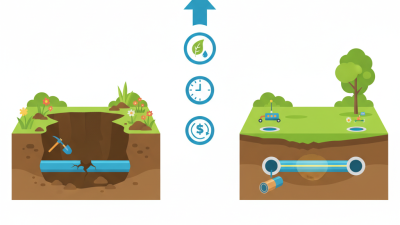
No dig sewer repair can reduce traffic disruption, excavation waste, noise, and restoration costs. It may also shorten project timelines when access points are suitable. However, it is not a universal solution. Severely displaced pipes, unstable ground, or limited entry points may require conventional excavation. That limitation deserves honest attention.
Global work also demands reliable coordination. Contractors must follow approved engineering designs, environmental controls, worker-safety procedures, and local utility requirements. Independent inspections, documented testing, and clear project records strengthen accountability. A qualified team should explain assumptions before construction begins, not after problems appear. The best results come from matching technology to site reality, rather than choosing a method because it sounds modern. Mistakes can happen. Careful planning helps reduce them.
What Is No-Dig Sewer Repair?
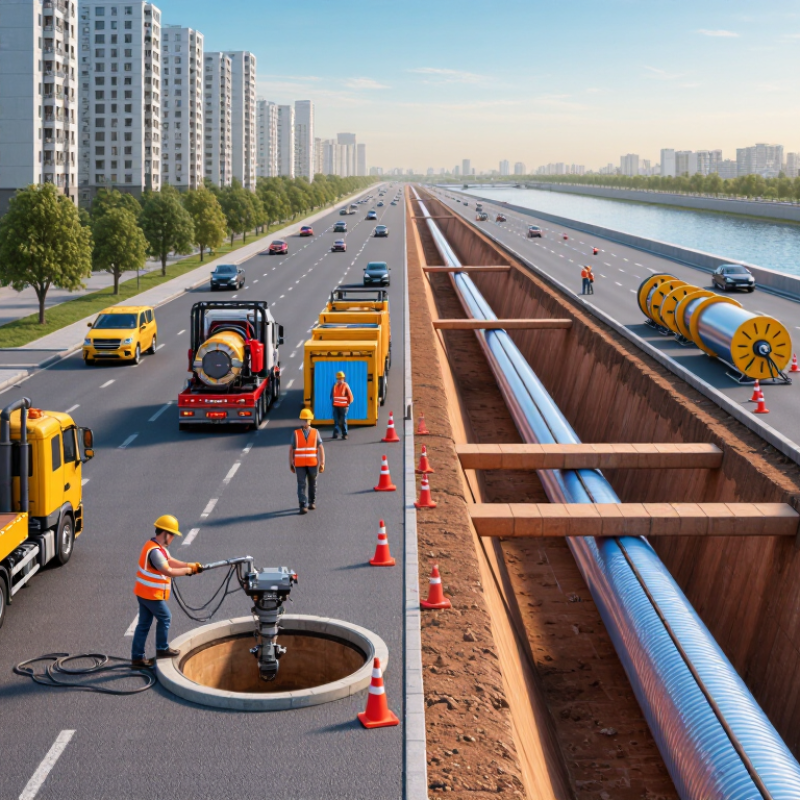
No-dig sewer repair is a method for restoring underground pipes without opening a continuous trench. Technicians usually inspect the pipe with a CCTV camera before selecting a repair approach. The footage can reveal cracks, root intrusion, joint gaps, collapsed sections, and grease buildup. This evidence supports a practical repair plan.
Common methods include cured-in-place pipe lining, sectional patching, and pipe bursting. A resin liner is inserted through an existing access point, then cured inside the damaged pipe. It forms a new structural layer with limited disruption above ground.
Sectional patches suit isolated defects, while pipe bursting replaces severely damaged lines along an existing route. The right choice depends on pipe size, material, depth, flow, soil movement, and access conditions.
Less excavation can protect roads, gardens, buildings, and active work areas. It may also reduce traffic disruption, surface restoration, noise, and project waste. However, no-dig repair is not magic. Sharp bends, heavy deformation, unknown connections, or unstable soil can limit the available methods. Site records may also be incomplete. That is why experienced teams combine camera surveys, flow testing, cleaning, and careful measurements. Local engineering rules and environmental requirements must guide the work. A rushed inspection can produce an elegant repair plan that fails in the field. Sometimes, a small access excavation remains the more reliable option.
How No-Dig Sewer Repair Works
No-dig sewer repair begins with a detailed inspection through existing access points. A camera travels inside the pipe, showing cracks, root intrusion, displaced joints, and blockages. Technicians record pipe diameter, depth, flow conditions, and damage locations. Cleaning removes scale and debris before any repair material enters the line. This preparation matters. A clean surface helps the liner bond properly.
For many damaged pipes, workers pull or invert a resin-coated liner through the old section. Air or water presses the liner against the internal wall. Heat, ultraviolet light, or ambient curing then hardens the resin. The result is a continuous, jointless pipe inside the original pipe. Small service connections are reopened with robotic cutting equipment. Where collapse is severe, pipe bursting can create a new route through the soil with limited excavation.
The method reduces road closures, surface damage, noise, and spoil removal. It can also protect nearby buildings, landscaped areas, and busy transport routes. However, no-dig repair is not automatic. A narrow access shaft, unstable ground, or badly deformed pipe may limit the solution. Field measurements can be imperfect. That is why experienced teams compare camera data, flow requirements, design calculations, and local construction rules before work begins. Testing after curing confirms the repaired section is watertight and ready for service.
Key Benefits for International Infrastructure Projects
No-dig sewer repair offers practical advantages for international infrastructure projects, especially in crowded cities and sensitive environments. Engineers can rehabilitate damaged pipelines through small access points instead of opening entire roads. This approach can reduce traffic disruption, surface restoration, noise, and construction waste. It also protects mature trees, historic paving, and nearby utility networks.
International projects need careful preparation. Teams should compare pipe material, groundwater conditions, soil movement, and access limits before selecting a repair method. Local regulations and inspection requirements also matter. Reliable projects use CCTV surveys, flow measurements, structural assessments, and documented quality checks. These records support better decisions across different contractors and regions. However, no-dig repair is not suitable for every failure. Severe collapse, poor access, or unstable ground may require excavation.
Tips: Confirm pipe condition before pricing work. Test bypass capacity during peak flow. Keep a clear emergency access route. Ask for installation records and independent inspection results.
For global infrastructure owners, the main benefit is lifecycle control. Less surface damage can shorten reinstatement work and reduce community complaints. Faster site recovery may also support hospitals, airports, and dense commercial districts. Reduced excavation can lower material use, but the environmental result depends on equipment, resin handling, transport, and disposal practices. That detail is sometimes overlooked. A responsible plan should measure the full project impact, not only construction speed. Teams should also allow time for local training, weather delays, and unexpected groundwater. Small assumptions can create expensive changes later.
Why Choose No-Dig Sewer Repair for Global Projects?
Key Benefits for International Infrastructure Projects
Global urban populations are expanding rapidly, increasing pressure on sewer networks located beneath roads, commercial districts, and densely populated neighborhoods. No-dig repair methods can help infrastructure owners reduce surface excavation, traffic disruption, reinstatement work, and community disturbance while extending the useful life of existing pipelines.
Data source: United Nations Department of Economic and Social Affairs, World Urbanization Prospects. The 2050 value is a projection.
Factors for Selecting a Global No-Dig Repair Method
Why Choose No-Dig Sewer Repair for Global Projects?
Factors for Selecting a Global No-Dig Repair Method
Selecting a no-dig sewer method begins with site evidence, not marketing claims. Engineers should inspect pipe material, diameter, depth, groundwater, and structural damage. A narrow street may favor robotic repair, while severe collapse may require targeted excavation. Local soil conditions matter greatly.
The U.S. EPA’s 2022 Clean Watersheds Needs Survey estimated $630.1 billion in wastewater infrastructure needs over 20 years. That pressure encourages solutions that reduce surface disruption and shorten project schedules. UN-Water reported in its 2017 World Water Development Report that over 80% of global wastewater returns to the environment without treatment. Reliable repairs therefore protect public health, waterways, and investment.
A global method must also fit local skills, permits, climate, and emergency access. Resin curing needs controlled temperatures and careful quality checks. Pipe bursting demands accurate utility mapping and sufficient soil stability. Life-cycle cost should include inspection, traffic control, carbon impact, and future maintenance. Cheaper installation can become expensive later.
Field experience remains decisive. A method that works in dry clay may perform poorly in saturated ground. That is easy to underestimate. Project teams should request verified case records, independent testing, and measurable acceptance criteria. Digital inspection helps, but images can miss hidden deformation. Engineers still need judgment, documentation, and sometimes a cautious pilot section before full deployment.