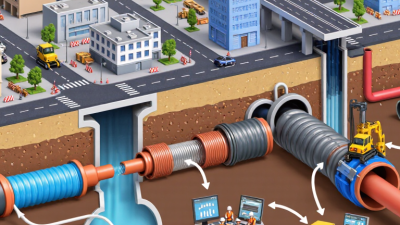
How to Choose the Right Pipe Rehabilitation Method?
Choosing the right pipe rehabilitation method begins with understanding the pipe, not selecting a product.
A cracked sewer line beneath a busy road needs a different solution from a corroded water main in a quiet industrial yard. Age, diameter, material, flow conditions, groundwater, access points, and surrounding soil all influence the decision. CCTV inspection, pressure testing, and accurate mapping provide essential evidence. Without reliable data, even an experienced contractor can choose poorly.
There is no universal repair method.
Cured-in-place pipe lining may suit long, continuous sections with limited access. Pipe bursting can replace damaged lines while preserving much of the existing route. Slip lining may offer practical value where a smaller internal diameter remains acceptable. Excavation still has a place when the pipe has collapsed, connections are complex, or structural conditions are uncertain.
Experienced engineers compare structural performance, hydraulic capacity, installation risks, service disruption, and expected service life. They also review local standards, environmental requirements, and the contractor’s verified project history. A method that appears affordable may create higher costs when bypass pumping lasts longer than planned.
Field conditions often challenge early assumptions. Unexpected groundwater, fragile connections, or inaccurate records can change the preferred approach. That is why responsible pipe rehabilitation planning includes contingency allowances and independent technical review. The best choice is not always the newest technology. It is the method that safely matches the evidence, site constraints, budget, and long-term maintenance needs. Mistakes happen. Careful questioning reduces them.
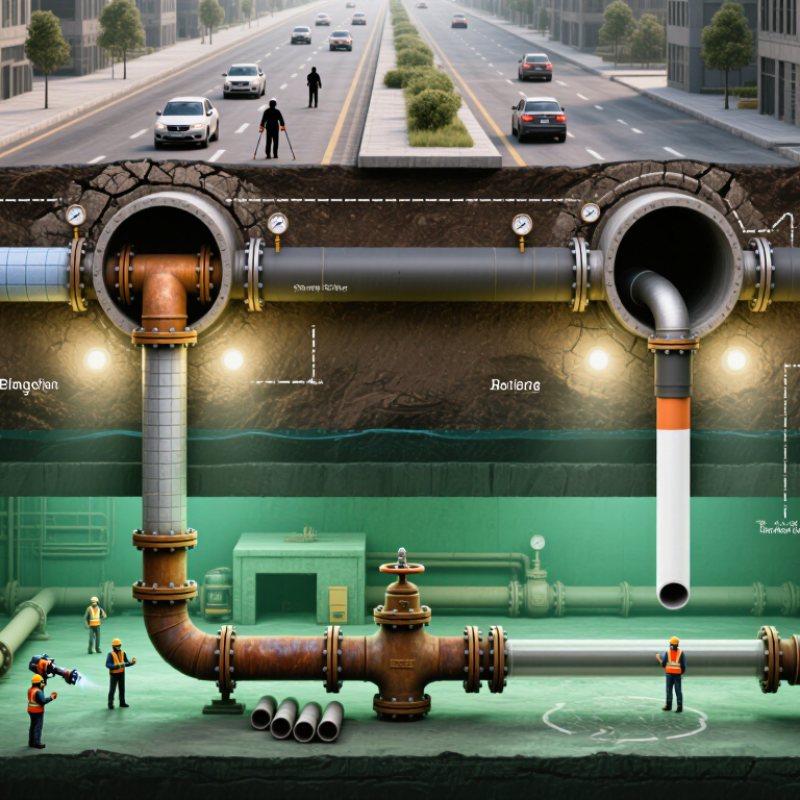
Assess the Pipe’s Condition and Identify the Cause of Damage
Choosing a pipe rehabilitation method starts with evidence, not guesswork. Inspect the pipe’s age, material, diameter, and operating history. Then document cracks, joint displacement, corrosion, leaks, root intrusion, and sediment. A CCTV survey can reveal whether damage is isolated or continuous; flow tests and pressure records add useful context.
The U.S. Environmental Protection Agency’s 2023 Drinking Water Infrastructure Needs Survey estimated $625 billion in drinking-water infrastructure needs over 20 years. That scale makes accurate diagnosis essential.
A lining may suit a structurally sound pipe with leakage, while severe deformation or collapse may require replacement. No inspection method tells the whole story.
Tips
Match the assessment to the suspected cause. Corrosion often leaves rough walls or reduced diameter; repeated leaks near joints may indicate movement or failed connections. Compare inspection footage with maintenance records, soil conditions, and pressure changes. Record uncertainty, too. A short CCTV clip can miss defects hidden by standing water or deposits. I have seen teams treat visible symptoms as the root cause; that can lead to a poor method choice. Ask an experienced engineer to review borderline findings before selecting rehabilitation work.
Define Project Goals, Site Constraints, and Service Requirements
Choosing a pipe rehabilitation method starts with clear project goals. Decide whether the priority is restoring flow, stopping leaks, extending service life, or reducing excavation. A residential storm drain beneath a driveway has different needs from a pressurized water main under a busy road. Record pipe material, diameter, age, known defects, and expected service conditions before comparing options.
Site constraints matter just as much. Check access points, bends, groundwater, nearby utilities, traffic, and available work hours. A method that limits digging may still require sufficient access for inspection and installation. Review inspection records with a qualified engineer or contractor, and confirm that proposed materials suit the pipe’s contents, temperature, pressure, and local conditions. Field findings can differ from old drawings. That is worth planning for.
Tips: Set measurable goals, such as acceptable leakage or required flow capacity. Ask how the crew will verify results after installation. Keep a contingency for unexpected offsets or collapsed sections; even a careful survey can miss a problem. Good planning is not glamorous, but it can prevent costly rework.
Choosing a Pipe Rehabilitation Method: Match the Project to the Constraints
This planning-level comparison uses indicative ratings from 1 (less favorable) to 5 (more favorable). Actual suitability depends on pipe condition, diameter, access, flow, site conditions, design requirements, and local standards. Confirm ratings with a project-specific assessment.
Compare Rehabilitation Methods and Their Installation Processes
Choosing a rehabilitation method starts with the pipe’s condition, access, and required capacity. The U.S. Environmental Protection Agency’s 2022 Clean Watersheds Needs Survey estimated $630.1 billion in wastewater infrastructure needs over 20 years. That scale makes installation planning important, not just material selection.
Cured-in-place pipe lining usually needs access points at existing manholes. Crews clean the pipe, inspect it, then insert a resin-saturated liner and cure it with heat, water, or ultraviolet light. It can reduce excavation, but bends, service connections, and flow control affect the work. Details matter.
Sliplining draws or pushes a smaller pipe into the old one, then seals the space between them. Installation is straightforward in some runs, though the reduced internal diameter may limit capacity.
Pipe bursting uses a pulling head to fracture the old pipe while drawing a replacement into place. It can preserve or increase diameter, but nearby utilities and soil conditions need careful review.
Open-cut replacement exposes the pipe directly, allowing crews to address bedding and connections, but requires excavation and surface restoration. No method wins everywhere.
A useful field note: inspection findings can still leave uncertainty. Compare access needs, bypass pumping, service reconnections, and expected capacity before choosing; overlooking one can complicate installation.
Evaluate Costs, Durability, and Expected Performance
Choosing a pipe rehabilitation method starts with the pipe, not the product. CCTV inspection can reveal cracks, joint separation, root intrusion, and standing water. Then compare installed cost with expected service life, cleaning needs, and disruption to nearby homes or roads. A cured-in-place liner may reduce excavation, while spot repairs can suit isolated defects. Neither is automatically cheaper over time. Ask contractors to state what their price includes, such as bypass pumping, access pits, and post-work inspection.
The U.S. Environmental Protection Agency’s 2022 Clean Watersheds Needs Survey estimated $630.1 billion in documented wastewater and stormwater infrastructure needs over 20 years. That figure describes broad system needs, not the price of any one rehabilitation method. It does, however, show why owners should assess long-term value alongside upfront cost. Request comparable bids using the same pipe length, diameter, access assumptions, and performance criteria. Check whether the proposed method fits the pipe’s shape and flow conditions. Small details matter. A missed lateral connection can undermine an otherwise sound repair.
Tips: Ask for recent inspection footage and written acceptance criteria. Compare expected service life only when the assumptions are clear. Keep a contingency for hidden defects; honestly, estimates can still miss them. For a fair comparison, record current flow restrictions, repair history, and the cost of future access. Include those details in the decision, even if the spreadsheet looks less tidy.
Select a Method Based on Pipe and Project Conditions
How to Choose the Right Pipe Rehabilitation Method?
Select a Method Based on Pipe and Project Conditions
A pipe’s condition should guide the rehabilitation method. Start with a camera inspection, then record cracks, joint gaps, corrosion, and any offsets. Note the pipe’s diameter, material, and route. A small defect in a short, accessible line may call for a different repair than widespread damage beneath a busy road. Details matter.
Access changes the decision. Some methods need room for excavation and equipment; others can work through existing access points. Trenchless options may reduce surface disruption, but they are not suitable for every pipe. Severe deformation, active leaks, or blocked sections can limit what is practical. Check the site carefully. Soil conditions, nearby utilities, flow requirements, and the pipe’s intended service life also affect the choice.
Project constraints count, too. Compare installation time, expected service life, inspection findings, and total cost, not just the initial quote. Ask contractors to explain how they will prepare the pipe, verify the repair, and handle unexpected defects. Their answers should connect to the actual inspection record. I would not choose a method from a brief description alone; even a useful inspection can miss a hidden problem. Keep some room in the plan for surprises.
How to Choose the Right Pipe Rehabilitation Method? - Select a Method Based on Pipe and Project Conditions
| Rehabilitation method | Suitable pipe and defects | Access and site conditions | Effect on capacity and connections | Key limitations and checks | Best-fit project condition |
|---|---|---|---|---|---|
| Cured-in-place pipe (CIPP) | Useful for rehabilitating many gravity and pressure pipelines with cracks, corrosion, leakage, or joint deterioration. The liner can be designed for the required structural role. | Usually installed through existing access points, such as manholes or pits. Flow control or bypass pumping may be needed during installation and curing. | The liner reduces the internal diameter to some extent. Service connections on gravity sewers generally need to be identified and reopened after curing. | The host pipe must be cleaned and inspected; protruding connections, severe deformation, and major obstructions may require repair first. Design must account for groundwater, loads, and operating conditions. | A good candidate when surface excavation should be limited and the existing pipe alignment is largely retained. |
| Sliplining | A new, smaller-diameter pipe is inserted into an existing host pipe. Commonly considered for damaged pipes where the host can provide a clear path for insertion. | Requires suitable insertion and receiving access. Long, reasonably straight sections are generally easier to line than sections with tight bends or substantial misalignment. | The new pipe has a smaller diameter than the host. The annular space may need grouting, and service connections typically need to be reinstated or reconnected. | Check hydraulic capacity, insertion clearance, pipe joint design, and end connections. Reduced internal diameter may be unacceptable where flow capacity is already limited. | Often considered for accessible, relatively straight runs where a smaller replacement pipe can meet capacity requirements. |
| Pipe bursting | Replaces an existing pipe by breaking or splitting it while pulling a new pipe into its path. Often considered for brittle or deteriorated pipes and, where design allows, for upsizing. | Requires launch and receiving pits or other suitable access. The route must be assessed for nearby utilities, foundations, and ground conditions. | Can install a pipe of similar or larger size, subject to site and design constraints. Service connections generally require excavation and reconnection. | Ground displacement can affect adjacent utilities or structures. Check pipe material, depth, soil conditions, existing connections, and the allowable replacement size. | A potential choice when replacement or increased capacity is needed and localized excavation is feasible. |
| Spray-applied lining | Applies a protective coating to the pipe interior. Depending on the system and design, it may address corrosion or surface deterioration; it is not automatically a structural replacement. | Requires access for cleaning, surface preparation, and application equipment. The pipe surface must be suitable for the selected coating system. | Typically causes little change in internal diameter compared with thicker liners. Connection and opening requirements depend on the pipe system and application process. | Verify substrate condition, moisture and curing requirements, coating thickness, adhesion, and whether the system is designed for the required structural and operating conditions. | May suit projects focused on interior corrosion protection where the pipe remains suitable for the intended structural role. |
| Close-fit lining (fold-and-form or deform-and-reform) | A pre-manufactured liner is inserted in a reduced shape and then expanded or re-formed to fit the host pipe. Suitability depends on the product and host-pipe geometry. | Usually installed from access points without continuous trenching. The insertion route must be clear enough for the liner and installation equipment. | Designed to fit closely against the host pipe, helping limit the loss of internal area. Connections may require reopening or reconnection after installation. | Check bends, diameter changes, offsets, deformation, and product-specific installation limits. Structural performance must be verified for the project design conditions. | Worth evaluating where trenchless access is preferred and maintaining as much internal diameter as practical is important. |
Related Posts
-
China Top 10 Digless Pipe Repair Companies to Trust
-
7 No Dig Pipe Repair Tips for Global Buyers
-
Understanding Sewer Line Relining: A Comprehensive Guide to Modern Pipeline Repair Techniques
-
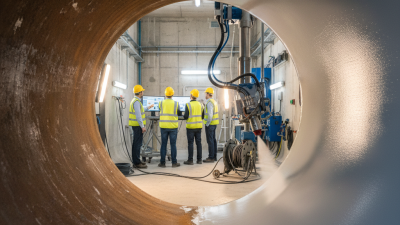
How to Effectively Resurface Pipes for Long Lasting Durability and Performance
-
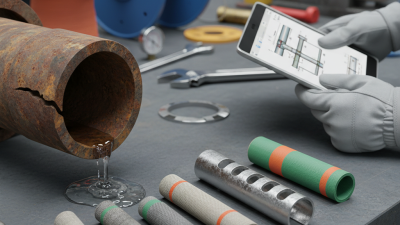
How to Choose the Right Internal Pipe Repair Sleeve for Your Needs?
-
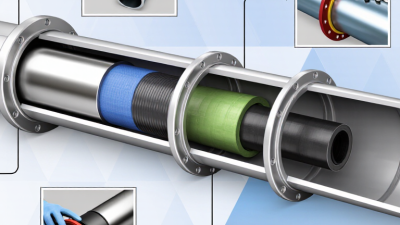
Top 10 Internal Pipe Repair Sleeve Manufacturers Worldwide