
China Top 10 Main Sewer Line Repair Suppliers
China’s sewer infrastructure faces steady pressure from aging pipes, heavier urban use, and difficult ground conditions. For property owners, contractors, and municipal teams, choosing a capable partner can affect repair time, site disruption, and long-term reliability. This guide to China’s top 10 main sewer line repair suppliers offers a starting point for comparing providers, not a substitute for project-specific checks.
Companies in this field may differ in repair methods, service coverage, equipment, and experience with large or confined sites. Some specialize in trenchless rehabilitation, while others support excavation, pipe replacement, inspection, or materials supply. The right fit depends on pipe diameter, damage type, access, local conditions, and the required service life. Details matter. Ask suppliers for recent project references, inspection records, method statements, warranty terms, and clear cost breakdowns. Check whether crews can document work with CCTV footage and explain how they handle unexpected defects. A polished brochure is not proof of field performance.
Supplier rankings can change as capabilities and project records evolve. Public information may also be incomplete, so claims should be verified directly before contracts are signed. This overview highlights practical comparison points and common strengths, while allowing for independent technical review. No list can predict every site problem. Careful due diligence helps buyers assess main sewer line repair options with realistic expectations and select a supplier suited to the actual network, rather than the most confident sales pitch.
Understanding China's Main Sewer Line Repair Industry
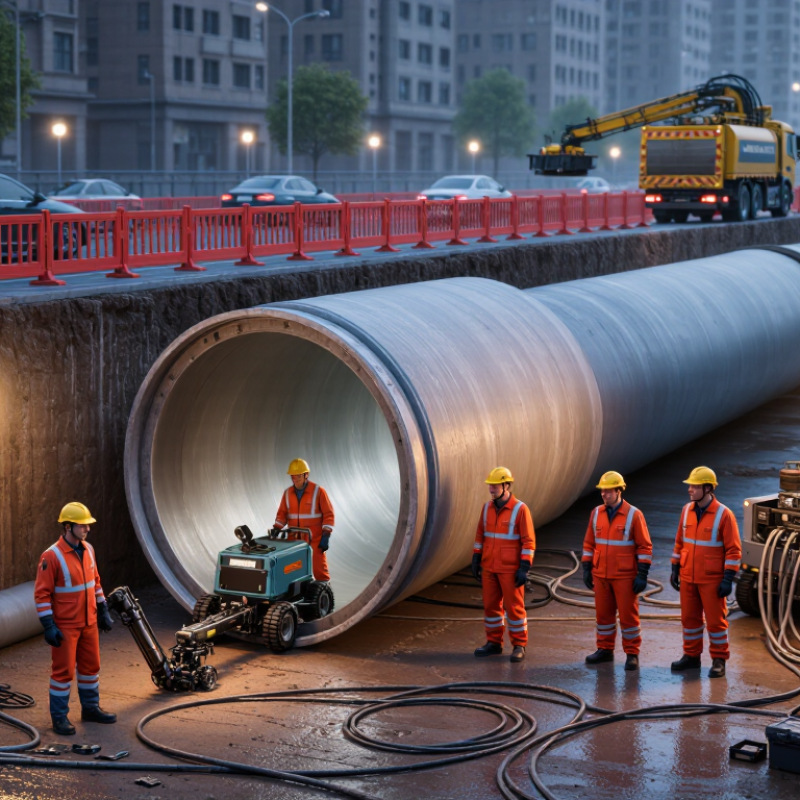
China’s main sewer line repair industry serves dense cities, industrial parks, and expanding residential districts. Suppliers may provide cured-in-place pipe lining, sectional repairs, pipe replacement, or inspection equipment. The right method depends on pipe material, diameter, access, flow, and damage. A cracked clay pipe under a narrow lane needs different planning from a corroded concrete line beneath a busy road. Site conditions matter.
Experienced suppliers should explain inspection findings, material choices, and installation limits in clear terms. Ask how crews control water flow, prepare pipe surfaces, and verify the repair after curing. Request project references for similar pipe sizes and conditions, not just broad claims. Details reveal capability. Regional service coverage and access to trained technicians can also affect response times. No supplier fits every site, and even a sound plan can miss hidden connections.
Tips: Compare inspection records, repair scope, warranty terms, and after-service support. Confirm who handles traffic control and waste removal. Keep a record of pipe measurements and site photos. Small details help. If proposals promise identical results across very different sites, ask for the assumptions behind them.
China Top 10 Main Sewer Line Repair Suppliers - Understanding China's Main Sewer Line Repair Industry
Industry overview by supplier segment, not a ranked list of individual companies. The segments below reflect commonly used sewer rehabilitation technologies and services; actual availability and project suitability should be confirmed with each supplier.
| No. | Supplier segment | Typical products or services | Common repair methods | Typical application | Key procurement checks |
|---|---|---|---|---|---|
| 1 | Cured-in-place pipe (CIPP) system suppliers | Resin-impregnated liners, installation equipment, curing systems, and technical support | Inversion or pull-in liner installation followed by thermal or ultraviolet curing, depending on the system | Rehabilitation of structurally deteriorated pipes where excavation is undesirable | Design basis, resin and liner documentation, thickness calculations, curing records, and installation quality controls |
| 2 | Spiral-wound lining system suppliers | Profile strips, winding equipment, locking or joining components, and installation services | In-situ spiral winding, with grouting where required by the system design | Larger-diameter sewers and projects requiring lining from access points or manholes | Profile dimensions, joint integrity, design calculations, installation access needs, and quality inspection records |
| 3 | Pipe-bursting equipment and service providers | Bursting heads, pulling systems, replacement pipe strings, and specialist installation crews | Replacement of an existing pipe by pulling a new pipe through while displacing or fracturing the old pipe | Replacement of badly damaged lines where access pits can be provided | Utility surveys, ground and clearance assessment, pit design, pipe compatibility, and protection of nearby services |
| 4 | Sliplining pipe and installation suppliers | Replacement liner pipes, fittings, spacers, grouting materials, and installation support | Insertion of a new pipe into the host pipe, with the annular space treated as specified in the design | Gravity sewers or pressure lines with sufficient host-pipe clearance and accessible entry points | Diameter reduction, hydraulic capacity, pipe material specifications, jointing method, and grouting procedure |
| 5 | Point-repair and short-liner system suppliers | Localized liners, packers, resin systems, and installation tools | Short-section internal lining to address isolated cracks, leaking joints, or localized defects | Pipes with discrete defects where the remaining pipe is suitable for continued service | Defect location, repair length, surface preparation, material compatibility, and post-repair inspection |
| 6 | Robotic sewer inspection and reinstatement suppliers | CCTV crawlers, cutting robots, locating equipment, and operator services | Condition inspection, removal of obstructions, and reopening of service connections after lining | Pipes that can be accessed by suitable inspection or cutting equipment | Camera coverage, location accuracy, recording format, operator experience, and confirmation of connection reopening |
| 7 | Sewer cleaning and preparation equipment providers | Jetting equipment, mechanical cleaning tools, debris removal systems, and preparation services | High-pressure water cleaning and mechanical removal of deposits or obstructions before inspection and repair | Sewer sections requiring access for CCTV inspection, lining, or localized repairs | Cleaning method, safe operating limits, debris handling, confined-space procedures, and documented pre-repair condition |
| 8 | Chemical grouting and joint-sealing suppliers | Grout materials, injection packers, pumps, and leakage-control services | Injection sealing of leaking joints or selected defects, subject to material and site suitability | Localized infiltration or exfiltration control where the pipe remains suitable for service | Product safety data, groundwater conditions, injection pressure controls, cure behavior, and verification of leakage reduction |
| 9 | Manhole and access-structure rehabilitation suppliers | Protective coatings, repair mortars, sealing materials, and application services | Surface repair, protective lining, and sealing of selected manhole defects | Manholes and access structures affected by corrosion, leakage, or deteriorated surfaces | Substrate preparation, moisture conditions, coating compatibility, application thickness, and curing requirements |
| 10 | Open-cut pipe replacement and civil contractors | Excavation, pipe supply and installation, trench support, reinstatement, and associated civil works | Removal and replacement of the existing line by conventional excavation and construction | Collapsed pipes, unsuitable alignments, or projects where trenchless repair is not practicable | Utility coordination, traffic and site management, trench safety, pipe bedding, connection details, and reinstatement scope |
Selection note: Confirm the pipe material, diameter, condition, flow requirements, access constraints, applicable project specifications, and contractor qualifications before choosing a repair method or supplier.
Related Posts
-

Why Does Home Sewer Line Repair Cost So Much?
-
Why is Internal Sewer Pipe Repair Essential for Homeowners?
-
China Best Internal Pipe Repair Solutions for Global Buyers
-
China Top 10 Internal Pipe Repair Manufacturers?
-
7 No Dig Pipe Repair Tips for Global Buyers
-
10 Essential Tips to Repair Your Sewer Quickly and Effectively