Submit Inquiry
27 West Beaver Creek Road Unit #2
Richmond Hill, ON, CANADA L4B 1M8

International:

1-905-886-0335

US & Canada:

1-800-265-5696

Why Does Home Sewer Line Repair Cost So Much?

Home sewer line repair can feel shockingly expensive because the damaged pipe is usually buried beneath concrete, landscaping, driveways, or finished floors. A plumber may need cameras, locating equipment, excavation, permits, traffic control, and restoration. The visible leak is often only the smallest part of the bill.

Consumer cost data shows the range clearly. Angi’s 2024 cost guide places typical sewer line repairs near $1,000 to $4,000, while full replacements can reach $2,000 to $10,000 or more. HomeAdvisor reports even wider replacement costs, depending on depth, material, access, and local labor. These figures are useful, but imperfect. National averages cannot predict a narrow city lot or a pipe beneath a basement slab.

The broader infrastructure picture also matters. The U.S. Environmental Protection Agency’s 2022 Clean Watersheds Needs Survey estimated $630.1 billion in wastewater infrastructure needs over twenty years. That figure includes public systems, not individual homes. Still, it shows how aging pipes create long-term pressure across the industry.

Roger Wakefield, a licensed plumber and plumbing educator, emphasizes the practical risk: “Your sewer line is one of the most important parts of your plumbing system.” His point is easy to miss until wastewater backs up around a floor drain. Professional inspection helps separate a cracked connection from a collapsed line. It may prevent unnecessary digging, although diagnosis is never perfect. Understanding what drives the price makes home sewer line repair less mysterious—and helps homeowners question vague estimates before signing.
Why Does Home Sewer Line Repair Cost So Much?

What a Sewer Lateral Does: 4–6-Inch Pipes and 50–100-Year Service Lives

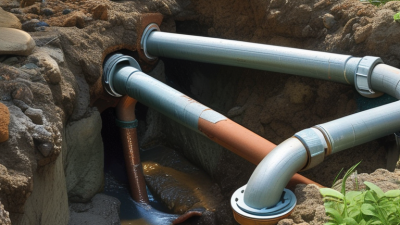
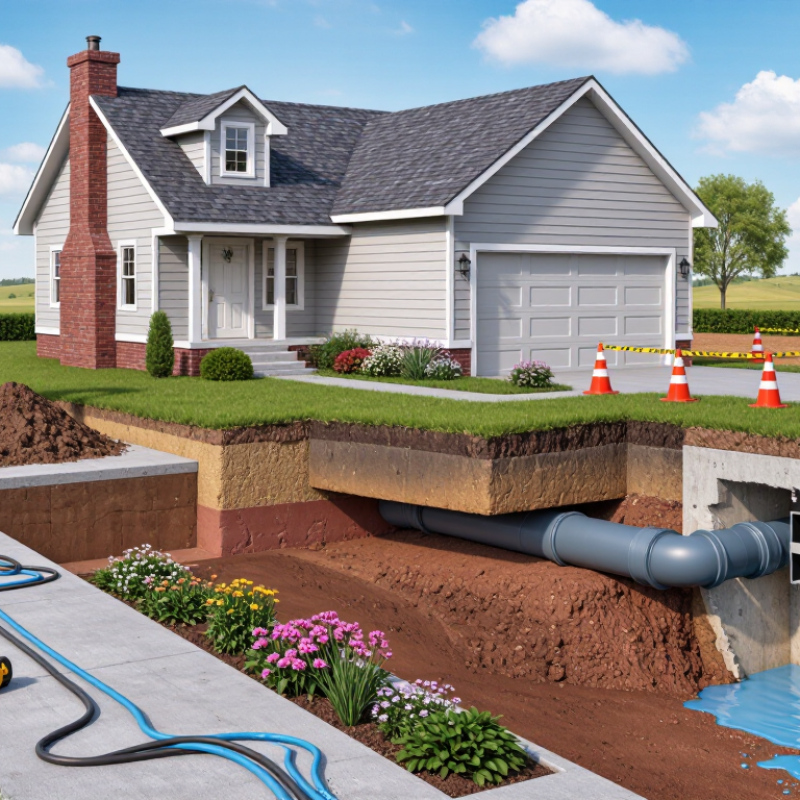
A home sewer lateral is the buried pipe connecting your house to the public sewer main. It commonly measures four to six inches across. That opening seems small, yet it carries every toilet flush, shower discharge, and kitchen drain flow.

Well-installed laterals can serve for 50 to 100 years, depending on material, soil movement, tree roots, groundwater, and maintenance. Cast iron, clay, concrete, and plastic each age differently. A camera inspection may reveal offset joints, cracks, grease, or roots before excavation begins. It is not perfect, though. Heavy rain can hide defects, and one inspection cannot predict every failure.

Replacement costs rise because the pipe is rarely exposed. Crews may cut through concrete, landscaping, driveways, or finished floors. They may also need permits, traffic control, trench support, and precise connections at the street. The U.S. Environmental Protection Agency’s 2022 Clean Watersheds Needs Survey estimated $630.1 billion in wastewater infrastructure needs over 20 years. The American Society of Civil Engineers gave U.S. wastewater infrastructure a D+ in its 2021 report card. Those figures explain the broader pressure, but they do not set a homeowner’s invoice. Local depth and access matter more.

I have seen a short lateral become expensive after roots reached a damaged joint beneath a driveway. The initial estimate looked simple. It was not. Ask for a written scope, camera findings, restoration costs, and separate pricing for spot repair versus full replacement. A cheaper quote may omit the pavement. That detail matters.

How CCTV Inspection Locates Damage: NASSCO PACP Condition-Rating Data

Why Does Home Sewer Line Repair Cost So Much?

Home sewer repairs often cost more than expected because the damage may be hidden beneath concrete, landscaping, or a public roadway. CCTV inspection reduces guesswork by sending a small camera through the pipe. The footage can reveal root intrusion, cracks, displaced joints, grease buildup, or a collapsed section. A technician records the pipe’s location and depth before recommending excavation.

PACP condition-rating data adds structure to the inspection. Each defect receives a standardized grade based on severity, extent, and structural risk. A minor joint gap should not receive the same urgency as a broken, deformed pipe. These ratings help property owners compare repair options and understand why costs differ. However, camera footage is not perfect. Standing water, heavy debris, or a tight bend can hide important damage. One missed connection may change the repair plan.

Tips: Request the video, inspection notes, defect locations, and condition ratings in writing. Ask whether the camera reached the municipal connection. Confirm if the estimate includes access, digging, restoration, and follow-up testing. Be cautious when a contractor recommends full replacement without showing clear evidence. A second inspection may cost less than an unnecessary excavation. Also, remember that ratings support decisions; they do not replace professional judgment, pipe material knowledge, or local site experience.

Why Excavation Raises Costs: OSHA Requires Protection Below 5 Feet

Why Does Home Sewer Line Repair Cost So Much?

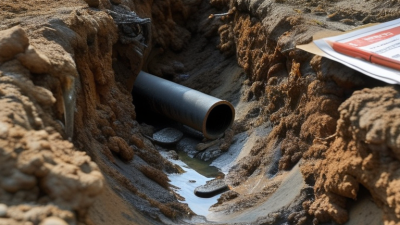
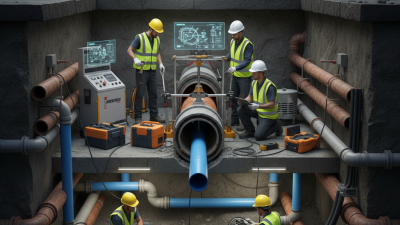
A sewer line can look like a simple pipe problem. Excavation often changes that calculation. When a trench reaches five feet or deeper, OSHA generally requires cave-in protection, unless workers are cutting stable rock. This protection may include sloping, shoring, or a trench shield.

Safety takes space, equipment, and trained labor. A competent person must inspect the excavation and surrounding conditions. Soil can shift after rain, vibration, or nearby vehicle movement. Spoil piles also need proper placement away from the trench edge. These details slow the work, but they reduce serious hazards.

The cost rises before the damaged pipe is visible. Crews may need utility locating, permits, compact machinery, ladders, pumps, and protective systems. Narrow yards can require hand digging. A deep trench may need repeated soil removal and careful backfilling. Restoration adds more expense, including soil compaction, concrete, landscaping, or driveway repair.

In practical estimates, depth is only one factor. Soil type matters too. Wet sand behaves differently from firm clay. Access matters just as much. I once underestimated how much a small access path could affect labor and equipment time. That mistake is worth remembering. The cheapest-looking repair plan may become unsafe or incomplete when the trench opens. OSHA rules apply to covered workplaces in the United States, while local requirements may be stricter. A qualified contractor should explain the protection method, inspection process, and restoration costs before digging.

Why Does Home Sewer Line Repair Cost So Much? — Why Excavation Raises Costs: OSHA Requires Protection Below 5 Feet
Main cost drivers for residential sewer-line work in the United States. Cost ranges are planning estimates only and vary with depth, soil, access, permits, restoration requirements, and local labor rates.
Cost or Compliance Dimension Typical Data or Requirement Why It Increases the Final Price Relative Cost Impact
Open-trench sewer repair Approximately $5,000–$20,000+ for many residential projects, depending on length, depth, soil, and restoration. Workers must excavate, expose the damaged pipe, complete the repair, backfill the trench, compact the soil, and restore affected surfaces. High
Spot repair Approximately $1,000–$4,000 when the damaged section is short, shallow, and easy to access. A smaller excavation generally requires less labor, less shoring or shielding, less backfill, and less surface restoration. Low to Medium
Trenchless replacement or lining Often approximately $4,000–$15,000+; suitability depends on pipe condition, alignment, diameter, access points, and local conditions. It can reduce digging and restoration, but specialized equipment, cleaning, inspection, access pits, and technical labor can make the method expensive. Medium to High
Excavation depth At 5 feet deep or deeper, OSHA generally requires protection from cave-ins unless an applicable exception, such as excavation entirely in stable rock, applies. Protective systems may require a properly designed slope, benching system, trench shield, or shoring. Installation and removal add labor, equipment, and project time. High
Excavation under 5 feet OSHA does not automatically require a protective system solely because the excavation is under 5 feet; a competent person must still examine it and determine whether a cave-in hazard exists. Site conditions, unstable soil, nearby loads, water, vibration, or previous excavation can still require protective measures and increase costs. Variable
Competent-person inspections OSHA requires inspections by a competent person before work begins and as needed during the shift, including after events that could increase hazards. Qualified oversight, documentation, changing site controls, and work stoppages when conditions are unsafe add management and labor time. Medium
Safe access and egress For trenches or excavations 4 feet deep or more, OSHA requires a safe means of egress within 25 feet of workers. Ladders, ramps, stairs, or other access systems may need to be provided, relocated, and secured as the excavation progresses. Medium
Spoil-pile setback Excavated soil and other materials must be kept at least 2 feet from the edge of the excavation, or otherwise retained to prevent falling into the trench. The contractor may need additional hauling, space, equipment movement, or temporary storage arrangements instead of placing soil beside the trench. Medium
Soil type and water OSHA soil classifications include stable rock, Type A, Type B, and Type C conditions; saturated or submerged soil generally requires more conservative controls. Loose, wet, or unstable soil can require flatter slopes, engineered shoring, dewatering pumps, additional bedding, and slower excavation. High
Underground utilities Utility locations must be determined before excavation, and exposed utilities must be supported or protected as necessary. Utility locating, hand digging, temporary support, coordination, and repair risk add time and may require specialized labor or equipment. High
Surface restoration Typical restoration may include soil, sod, landscaping, concrete, asphalt, pavers, driveways, or interior flooring. Restoration can represent a significant portion of the total bill, particularly when the sewer crosses a driveway, sidewalk, finished basement, or landscaped area. High
Permits and inspections Requirements and fees vary by jurisdiction; sewer work may require plumbing, right-of-way, excavation, or utility permits. Permit fees, plan review, inspections, traffic controls, and required documentation add direct costs and may extend the project schedule. Low to Medium
Pipe depth and length Longer or deeper sewer runs require more excavation volume, bedding, pipe material, backfill, labor, and equipment time. Every additional section of pipe can increase trench length, protective-system requirements, spoil handling, restoration, and the time workers remain exposed to excavation hazards. High
Temporary water or sewage control Active wastewater flow or groundwater may require bypass pumping, plugging, trench dewatering, or temporary discharge controls. Pumps, hoses, monitoring, fuel, additional labor, and possible treatment or disposal requirements increase both equipment and operating costs. Medium to High
Regulatory reference: OSHA 29 CFR 1926 Subpart P addresses excavation safety, including cave-in protection, competent-person inspections, access and egress, spoil placement, and protective systems. Local building, plumbing, environmental, and right-of-way requirements may impose additional obligations.

How Repair Methods Compare: Spot Repair, Lining, and Pipe Bursting

Why Does Home Sewer Line Repair Cost So Much?

Home sewer repair costs vary because the damaged section may lie beneath concrete, landscaping, or a finished floor. Access, depth, permits, inspection time, and disposal can raise the final bill. A camera inspection usually reveals root intrusion, cracks, offsets, or a collapsed pipe before work begins. That evidence matters more than a quick guess from a slow drain.

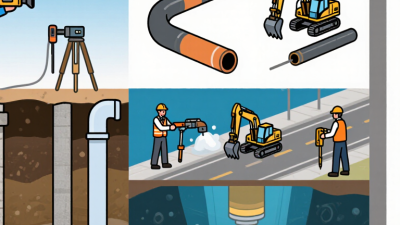
Spot repair removes and replaces only the failed section. It can be economical when the surrounding pipe remains strong and accessible. However, excavation may disturb a driveway, mature shrubs, or interior flooring. Lining creates a resin-based sleeve inside the existing pipe, sealing many cracks without extensive digging. It needs a pipe with enough structure and a suitable shape. Heavy collapse, severe misalignment, or certain connections can make lining unsuitable. The process also depends on careful cleaning and curing.

Pipe bursting breaks the old pipe while pulling a new one through the same route. It works well for long replacement runs and can reduce surface damage. Yet it requires space for equipment and may affect nearby utilities. No method is perfect. A contractor’s recommendation can still be wrong if the inspection is incomplete or site conditions change. Ask for video evidence, measurements, access limits, and a written explanation of each option. The lowest quote may hide restoration costs, while the highest quote may include unnecessary work. That deserves scrutiny.

What Drives the Final Bill: Depth, Length, Access, Permits, and Restoration

Why Does Home Sewer Line Repair Cost So Much?

A sewer repair invoice reflects more than the damaged pipe. Depth is a major cost driver. A line buried beneath six feet of compact soil takes longer to expose safely than one under a shallow garden bed. Length matters too. Replacing ten feet is very different from replacing eighty feet beneath a driveway. Every additional section requires labor, materials, testing, and careful connection.

Access can change the entire method. Open digging may be practical in a lawn, but not beside a foundation, patio, or mature tree. Limited access may require trenchless equipment or smaller excavation stages. Permits can add administrative fees and inspection delays, depending on local requirements. Restoration also belongs in the budget. Removing concrete, repairing asphalt, replacing soil, and replanting grass may cost nearly as much as the pipe work. Estimates should explain these separate charges clearly.

Tips: Ask for a camera inspection, measured repair length, depth estimate, permit allowance, and restoration details. Request photos before excavation when possible. Get more than one written assessment.

Even experienced estimators can miss hidden concrete or unstable soil. I have seen a seemingly simple repair expand after excavation revealed an older connection. That uncertainty is frustrating, but a reliable contractor should explain possible changes before work begins. A low initial price is not always the lowest final cost. Detailed scope matters.

123