Top 10 Sewer Repair Solutions for Global Buyers
Sewer failures rarely announce themselves neatly. A persistent damp patch, a slow drain, or a sudden drop in pressure may point to different problems. For global buyers, choosing how to repair sewer systems starts with understanding the pipe, not simply comparing product prices. Age, diameter, material, access, groundwater, and damage location can all change the right solution.
This guide introduces ten widely used sewer repair approaches, from targeted spot repairs and cured-in-place pipe lining to pipe bursting and conventional excavation. Each method has trade-offs. Trenchless systems can reduce surface disruption, but they still require suitable pipe conditions, careful preparation, and qualified installation. Open excavation may be more practical when a pipe has collapsed or needs full replacement. Details matter.
Buyers should assess more than the quoted unit cost. Ask for compatible pipe-size ranges, installation requirements, expected service life, inspection records, warranties, and clear limits on performance claims. Confirm that equipment, materials, and technical support are available where the project will take place. A low price is not proof of a good fit. Nor is a familiar brand.
The best choice depends on verified site conditions and the consequences of failure. No method fits every site. Even a careful guide cannot replace a qualified inspection, and that limitation deserves attention. Use these ten solutions as a starting point for informed discussions with engineers, contractors, and suppliers—not as a substitute for project-specific assessment.

Understanding Common Sewer System Failures and Repair Needs
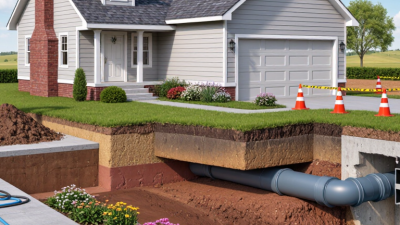
Sewer failures often begin out of sight, then appear as slow drains, recurring backups, or odors near floor drains. Tree roots can enter small joint gaps, while grease and wipes narrow pipes and catch debris. Older clay or cast-iron lines may develop corrosion, cracks, or shifted joints that let soil and groundwater enter. Small warning signs matter. A damp patch across a lawn, for example, may indicate a leak rather than poor drainage.
Repair depends on the cause, pipe condition, and location. A camera inspection can show root intrusion, standing water, or a collapsed section, but one recording may not reveal the full problem. That is easy to overlook. Cleaning may restore flow when buildup is the main issue; damaged or misaligned sections usually need repair or replacement. Localized lining can reduce excavation in suitable pipes, while severe collapse may require open digging. No method fits every property.
Before work begins, buyers should ask for the inspection findings, the affected pipe length, and the reason for the proposed method. Confirm whether access points, nearby utilities, and surface restoration are included. Estimates can miss hidden damage. Soil movement or additional defects may only become clear once work starts, so a clear scope and written allowance for uncertain conditions can prevent surprises.
How Sewer Damage Is Inspected and Diagnosed
Top 10 Sewer Repair Solutions for Global Buyers
How Sewer Damage Is Inspected and Diagnosed
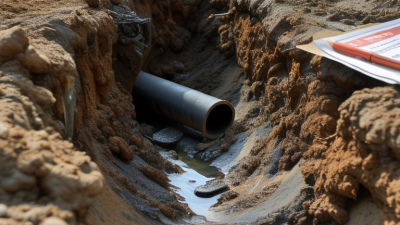
A sound repair decision begins with evidence, not guesswork. Technicians often inspect sewer lines using a push camera or a remotely operated crawler. The lens reveals cracks, displaced joints, root intrusion, standing water, and deposits. A surface crew may mark the camera’s distance and note where defects appear. That detail helps connect a video image to a specific location underground. But a camera pass is not a verdict. Water, grease, or a collapsed section can hide what lies beyond.
The U.S. Environmental Protection Agency’s 2022 Clean Watersheds Needs Survey, published in 2024, estimated $630.1 billion in wastewater and stormwater infrastructure needs over 20 years. This is not a sewer-damage count, but it shows the scale of investment at stake. For an individual line, inspectors may combine CCTV footage with flow checks, records of recurring backups, and surface observations. Smoke or dye testing can help investigate suspected leaks or cross-connections. Findings should be documented with location, defect type, and severity. Interpretation still involves judgment.
Tips: Ask for the inspection video and a written defect log. Check whether distances are measured from a known access point. If the footage looks clear but backups continue, consider another assessment; one test can miss intermittent trouble. Keep the uncertainty visible. A little caution now can prevent an expensive repair based on incomplete evidence.
This qualitative comparison summarizes how useful common inspection methods can be for identifying sewer defects. Scores range from 1 (limited, specialized use) to 5 (broad diagnostic usefulness); they are not standardized ratings, and the best method depends on pipe material, diameter, access, and flow conditions. CCTV inspection is often a practical starting point, while other methods can help investigate specific conditions such as deformation, leakage, or cross-connections.
Top 10 Sewer Repair Solutions for Global Buyers
Global sewer networks need repairs that fit pipe material, depth, access, and service disruption limits. The US EPA’s 2022 Clean Watersheds Needs Survey estimated $630.1 billion in wastewater and stormwater infrastructure needs over 20 years. Though US-specific, the figure shows the scale of deferred investment facing utilities and contractors.
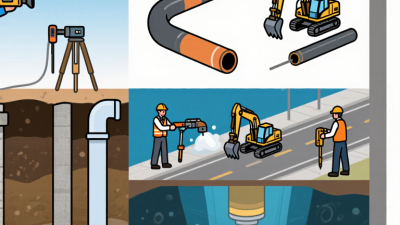
Cured-in-place pipe lining can renew many sound, continuous pipe sections without digging a full trench. It may suit streets where excavation would disrupt traffic or nearby businesses. Pipe bursting replaces a failing line by pulling a new pipe through the old route, but nearby utilities and soil conditions need careful checks. For isolated cracks, point repairs can limit work to a short section. Open-cut replacement remains practical when pipes are badly deformed or grades need correction. No method is magic.
Buyers should compare verified site assessments, material compatibility, installation controls, and post-repair inspection plans—not just quoted price. CCTV inspection helps locate defects before choosing a method; after work, another inspection can check for folds, gaps, or incomplete connections. Ask contractors to document their proposed design assumptions and expected service disruption. These details matter across regions, where soils, pipe materials, labor skills, and access conditions differ. Sometimes the data is incomplete. That uncertainty should be recorded, not hidden.
Comparing Repair Methods by Cost, Durability, and Installation
For global buyers, sewer repair costs depend on access, depth, groundwater, and traffic control—not just the pipe length.
Open-cut replacement can be economical on clear sites, but excavation adds reinstatement costs. Cured-in-place pipe lining (CIPP) often reduces surface disruption and installation time, while pipe bursting replaces the old pipe without a continuous trench. Spot repairs suit isolated defects; they are less convincing when inspection shows widespread cracking. No method wins every street.
Durability depends on sound design and installation. CIPP performance can suffer if cleaning, curing, or service reconnections are poorly controlled. Pipe bursting needs room for access pits and may be unsuitable where nearby utilities constrain expansion. The US EPA’s 2022 Clean Watersheds Needs Survey estimated $630.1 billion in wastewater infrastructure needs over 20 years. That national figure is not a repair-price guide, but it signals why lifecycle cost matters. Compare bids using the same assumptions: inspection, bypass pumping, reinstatement, expected service life, and disruption. Some estimates remain uncertain; site conditions can change the final bill.
Tips: Request CCTV inspection records and a method-specific installation plan. Ask for comparable lifecycle costs, not only the lowest initial price. Check who verifies curing or post-repair condition. A neat bid can still miss important details.
Choosing Suppliers and Evaluating Project Requirements
Top 10 Sewer Repair Solutions for Global Buyers
Choosing a supplier starts with the pipe, not the sales brochure. Ask for a CCTV survey, defect map, pipe diameter, flow conditions, and access details before comparing repair methods. A short liner may suit a localized crack; widespread deformation could require a different design. Check how each proposal handles groundwater, service connections, curing, and temporary flow bypass. These details affect cost and disruption. They are easy to overlook.
The U.S. Environmental Protection Agency’s 2022 Clean Watersheds Needs Survey estimated $630 billion in water-quality infrastructure needs over 20 years. This figure covers more than sewer repairs, but it signals substantial renewal pressure. For buyers, compare suppliers on relevant project records, inspection procedures, material traceability, crew training, and clear warranty terms. Request references for similar pipe conditions, not merely similar project budgets. A polished quote is not proof of a sound repair; even experienced teams can underestimate access constraints.
Tips: Ask bidders to price the same documented scope. Require a method statement, inspection checkpoints, and a plan for unexpected defects. Keep a contingency allowance. Field conditions can surprise you.