2026 Top Types of Sewer Line Repairs for Global Buyers?
Global buyers are reassessing sewer line repairs as buried infrastructure ages and maintenance budgets tighten. The World Bank’s report, Wastewater: From Waste to Resource, estimates that more than 80% of global wastewater is discharged without treatment. Damaged sewer lines can worsen this problem through leakage, infiltration, and uncontrolled overflows.
The U.S. Environmental Protection Agency’s 2022 Clean Watersheds Needs Survey, published in 2024, records hundreds of billions of dollars in wastewater infrastructure needs. Its findings show why repair decisions require more than a low initial price. Buyers must examine pipe material, soil movement, groundwater pressure, access limits, service life, and local contractor skill. Important options include cured-in-place pipe lining, pipe bursting, robotic spot repair, sectional replacement, and conventional open-cut excavation.
Dr. George Tchobanoglous, a leading wastewater engineer, stresses that wastewater decisions must protect public health and the environment. That principle should guide every procurement choice. A cheaper lining may fail where roots, grease, or joint displacement remain untreated. Open excavation may be slower, yet it can expose hidden bedding failure. No method fits every city.
This 2026 guide compares major sewer line repairs for global buyers. It considers durability, installation disruption, equipment needs, maintenance risk, and suitability for different climates. The comparison is practical, but not perfect. Site surveys still matter. A camera inspection, flow assessment, and soil review can change the recommended solution before contracts are signed.
Sewer Line Repair Types and Their Main Applications
2026 Top Types of Sewer Line Repairs for Global Buyers
Sewer Line Repair Types and Their Main Applications
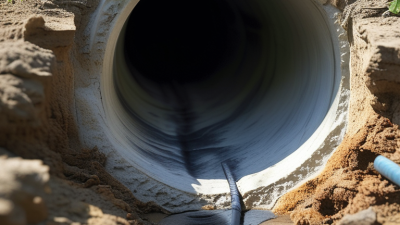
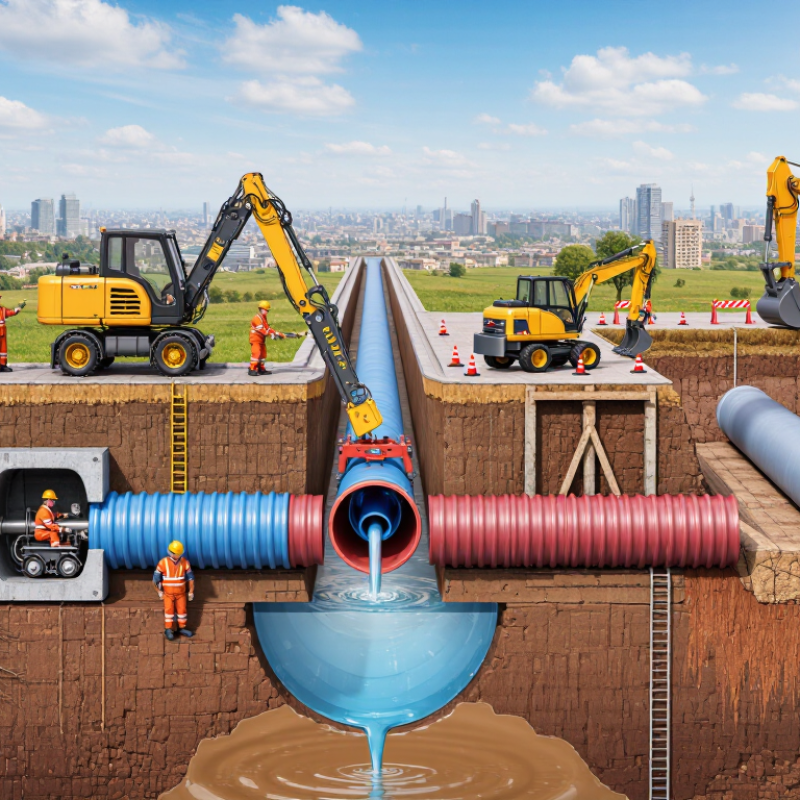
Sewer line repairs should match pipe damage, soil conditions, and access limits. A CCTV inspection usually reveals cracks, root intrusion, joint separation, or heavy deposits. Trenchless pipe lining suits long sections with stable pipe shape. It creates a resin-based inner layer with limited surface disturbance. This method works well beneath roads, gardens, and commercial floors.
Pipe bursting replaces a damaged line while pulling a new pipe through the existing route. It handles collapsed pipes and some diameter upgrades. Spot repair targets isolated breaks, leaking joints, or short root-damaged areas. Traditional excavation remains practical when pipes have severe deformation, poor alignment, or shallow access. It also helps crews correct damaged connections and inspect surrounding soil directly. No method fits every project.
Tips: Ask for inspection footage, repair drawings, material specifications, and installation records. Confirm pressure, temperature, soil, and wastewater conditions before purchasing. Local codes may require permits or qualified installation. Buyers should compare service life, access requirements, curing time, and future maintenance. A low initial price can hide difficult reinstatement work. In my experience, planning is often underestimated. That mistake can delay an otherwise sound repair.
How to Identify Sewer Damage and Select the Right Repair Method
2026 Top Types of Sewer Line Repairs for Global Buyers
How to Identify Sewer Damage and Select the Right Repair Method
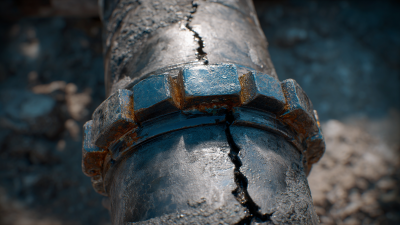
Sewer damage often begins with slow drains, sewage odors, wet ground, or repeated blockages. A camera inspection can reveal cracks, root intrusion, joint separation, and collapsed sections. Ask for video evidence, depth measurements, and a written condition report. Guessing is expensive. In field assessments, I have seen small defects become major failures after heavy rain.
Choose the repair method after checking pipe material, damage length, soil movement, access, and local requirements. Spot repair suits a short crack or separated joint. Cured-in-place lining can restore longer sections without extensive digging, but it needs a structurally suitable host pipe. Pipe bursting may replace badly damaged lines while reducing surface disturbance. Traditional excavation remains practical when the pipe has collapsed or its route is uncertain. No method fits every site.
Tips: Compare at least two technical proposals. Confirm cleaning and inspection before repair. Request flow testing after completion. Check the installer’s drainage experience, insurance, permits, and workmanship terms. Ask whether nearby utilities, tree roots, or unstable soil could affect the result. Keep the inspection footage and repair records. These details matter during future maintenance. A low quote may exclude access work, reinstatement, or testing. Read every line carefully.
Trenchless Sewer Line Repair Technologies for Global Projects
2026 Top Types of Sewer Line Repairs for Global Buyers
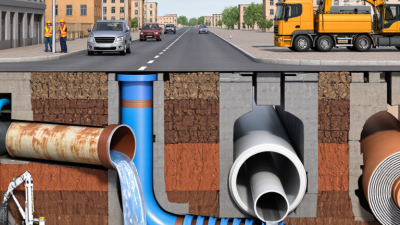
Trenchless sewer repair is becoming a practical choice for dense cities, airports, and industrial sites. It limits excavation, traffic disruption, and surface restoration costs. The U.S. EPA’s 2022 Clean Watersheds Needs Survey estimates 630.1 billion dollars in wastewater infrastructure needs over 20 years. That pressure makes efficient rehabilitation more important for global project owners.
Cured-in-place pipe lining, or CIPP, repairs many cracked or leaking pipelines without removing the old pipe. It suits long, continuous sections with limited access points. UV-cured and steam-cured systems can provide controlled installation conditions. Pipe bursting replaces severely damaged lines while using the existing alignment. Sliplining is simpler, but it reduces internal diameter. Robotic cutters can remove roots, deposits, and intruding connections before lining. A mistake remains possible.
Tips: Request CCTV inspection records, flow data, resin specifications, and independent pressure-test results. Compare expected service life, installation temperature, curing method, and worker training. The International Water Association highlights aging assets and limited maintenance funding as continuing global water-sector challenges. Buyers should therefore evaluate lifecycle cost, not only the lowest installation price.
Horizontal directional drilling helps install new sewer routes beneath roads or sensitive landscapes. However, ground conditions can change quickly, especially near groundwater or unstable soil. Experienced contractors should confirm soil surveys, bypass pumping plans, access requirements, and emergency controls before mobilization. A technically advanced method can still fail when inspection data is incomplete.
Traditional Excavation and Replacement Methods for Sewer Lines
Traditional excavation remains a dependable sewer line repair method for global buyers. Crews expose the damaged pipe by opening a trench along the affected route. They then remove the failed section and install a new pipe with approved joints. This approach suits collapsed lines, severe root intrusion, and extensive misalignment. It also allows workers to inspect bedding, connections, and surrounding soil directly. Experienced contractors usually confirm pipe depth, groundwater conditions, traffic loads, and local permits before digging. These details strongly influence cost and project duration.
Replacement work can restore a line for decades when installation quality is controlled. Proper bedding prevents uneven settlement beneath the new pipe. Careful backfilling reduces future movement and surface damage. Workers should test flow, leakage, and connection stability before closing the trench. It is not always the fastest option. Excavation may disturb roads, landscaping, and nearby utilities, so buyers should compare restoration costs, not only pipe prices. In some projects, initial surveys are incomplete. That mistake deserves honest review.
Tips: Request a written excavation plan, soil assessment, safety procedure, and reinstatement schedule. Confirm material standards and warranty terms with qualified local engineers. Ask how contractors will protect pedestrians, vehicles, and existing utility networks. Keep inspection records, photographs, and test results for future maintenance. Always verify requirements with the responsible local authority.
How Global Buyers Compare Costs, Materials, and Service Providers
Global buyers compare sewer line repairs by total cost, not the first quotation. A spot repair may suit a short, damaged section. Trenchless lining can reduce excavation, traffic disruption, and surface restoration costs. Full replacement offers clearer control when pipes have collapsed or shifted. However, labor rates, transport, permits, taxes, and inspection requirements can change the final price significantly.
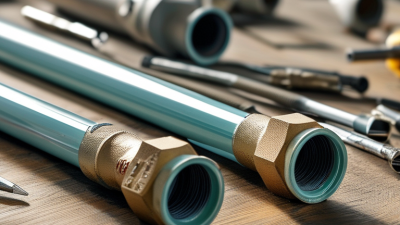
Material choice needs practical evidence. PVC is lightweight and commonly used for replacement sections. HDPE offers flexibility where ground movement is expected. Cured-in-place lining can restore long pipe runs without opening the entire surface.
I have found that site conditions often matter more than product descriptions. A low-cost material may require expensive preparation. That mistake is easy to make. Buyers should request structural calculations, installation records, service-life expectations, and warranty conditions. Independent inspection photos can reveal poor alignment or incomplete curing.
Tips: Ask each provider for an itemized quotation, repair method, material certificates, project references, and after-service terms. Compare the same scope of work. Confirm who handles inspection and surface restoration. Check response times for urgent failures. A reliable provider explains limitations clearly, rather than promising a perfect result. Leave room for uncertainty; hidden soil conditions can alter schedules and budgets.