2026 Top Pipe Resurfacing Methods for Global Buyers?
The 2026 global pipe market is moving toward repair without excavation. Pipe resurfacing can reduce road closures, excavation waste, and service interruptions. Yet no single method fits every network. Buyers must compare structural strength, installation access, water chemistry, and expected service life.
The scale of the need is difficult to ignore. The U.S. Environmental Protection Agency’s 2023 Drinking Water Infrastructure Needs Survey estimates $625 billion in investment needs from 2022 to 2041. The WHO and UNICEF Joint Monitoring Programme reported that 2.2 billion people lacked safely managed drinking water in 2022. These figures do not prove that lining solves every problem. They show why asset renewal deserves careful attention.
This guide reviews cured-in-place pipe lining, spray-applied epoxy, close-fit liners, and robotic spot repairs. It considers wastewater, potable water, industrial, and municipal applications. A cured liner may look efficient inside a narrow street. However, poor cleaning, hidden infiltration, or incorrect resin selection can undermine the result. Field inspection matters.
Standards matter too. Buyers should request CCTV records, pull tests, thickness readings, and documented quality-control procedures. For drinking-water projects, approved materials and local certification remain essential. The Water Research Foundation and national utility specifications can support that review. Still, specifications are not magic. Local soil, temperature, flow, and contractor experience can change outcomes. This 2026 comparison therefore focuses on evidence, not impressive promises. Global buyers should ask a harder question: which method delivers verified performance for this pipe, site, and budget?
What Is Pipe Resurfacing and When Is It Needed?
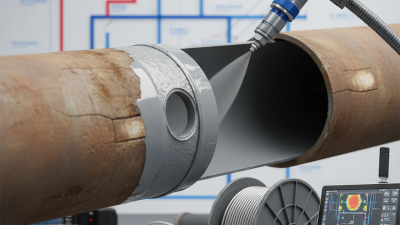
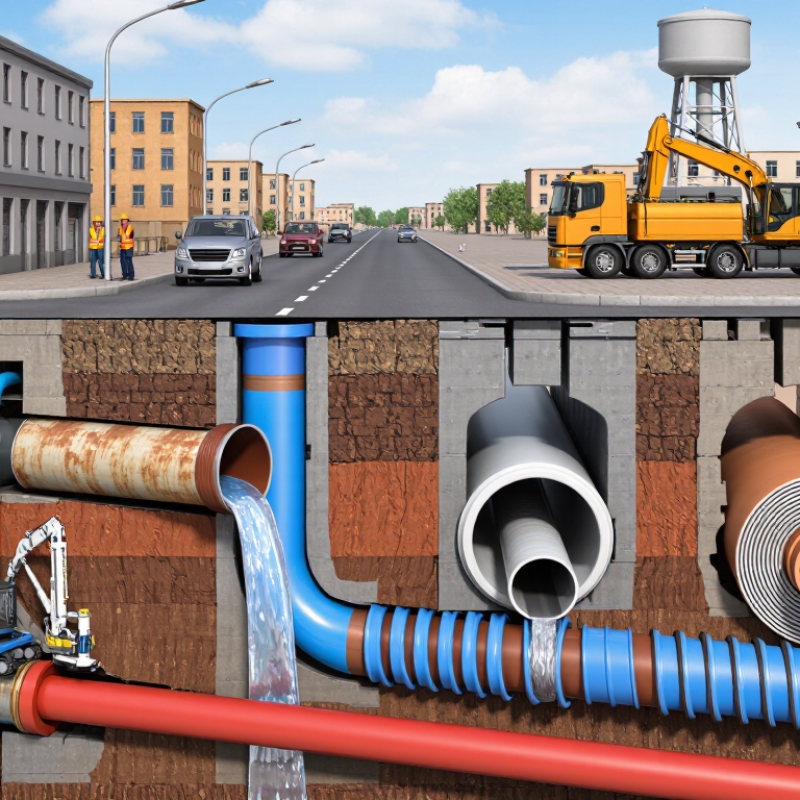
Pipe resurfacing renews a pipe from inside, rather than excavating and replacing the entire line. Contractors clean the bore, inspect defects, then install a resin liner, spray-applied coating, or cured-in-place pipe. The selected method depends on pipe material, diameter, access, flow conditions, and remaining structural strength.
The need is growing. The U.S. Environmental Protection Agency’s 7th Drinking Water Infrastructure Needs Survey estimates $625 billion in drinking-water investment needs from 2023 to 2042. Its Clean Watersheds Needs Survey also reports approximately $630.1 billion in wastewater infrastructure needs. These figures show why low-disruption rehabilitation matters for global buyers. Resurfacing can address corrosion, minor cracking, joint leakage, surface roughness, and infiltration. It may also reduce traffic disruption and excavation waste.
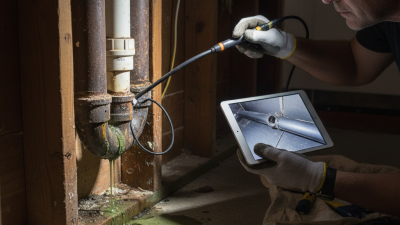
A condition assessment should guide the decision. CCTV inspection, thickness testing, flow measurement, and pressure testing reveal whether resurfacing is suitable. ASTM F1216 and ISO 11296-4 provide recognized guidance for cured-in-place rehabilitation. However, lining cannot correct every problem. Severe deformation, unstable bedding, or collapsed sections may require replacement. It is not magic. A clean-looking pipe can still hide structural weakness. In practice, buyers should request installation records, resin data, curing temperatures, and post-installation inspection results. The cheapest quotation may become expensive when preparation is poor. Yet even experienced teams can misjudge old pipe conditions, so independent verification remains worthwhile.
Top Pipe Resurfacing Methods Available to Global Buyers in 2026
Pipe resurfacing methods available to global buyers in 2026 vary by damage, diameter, access, and service conditions. Cured-in-place pipe lining remains practical for long, continuous sections. A resin-coated liner forms inside the existing pipe and cures with heat or ultraviolet light. It can reduce excavation, traffic disruption, and restoration costs.
Spray-applied epoxy suits smaller pipes, irregular interiors, and projects requiring a thin protective layer. Technicians must control surface cleaning, humidity, temperature, and coating thickness. Sliplining uses a smaller pipe inside the damaged host pipe, creating a dependable structural path. However, it reduces internal diameter. Pipe bursting replaces the old line while pulling a new pipe through the same corridor. It needs more space and careful checks near utilities.
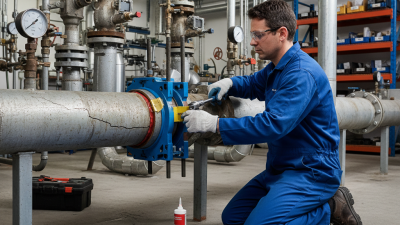
Global buyers should request inspection footage, resin data, curing records, and independent quality reports. Local approval requirements can differ sharply, even between nearby markets. A coastal wastewater line may need stronger chemical resistance than a buried stormwater pipe. Freezing conditions also affect installation planning and curing schedules.
The cheapest quote is not always economical. Cost tables often omit bypass pumping, access preparation, disposal, and post-installation testing. That weakness deserves attention. Experienced contractors should explain failure risks, expected service life, repair limits, and maintenance duties in clear language. Small pilot sections can expose adhesion problems before a full project begins. No method fits every pipe.
How to Compare Costs, Performance, Standards, and Installation Time
For global buyers, pipe resurfacing in 2026 should be compared by lifecycle value, not price alone. Cured-in-place pipe (CIPP) often suits long, continuous runs with limited excavation. Spray-applied epoxy works well for smaller diameters and irregular access. Close-fit polymer liners can provide strong hydraulic recovery, but site preparation is demanding. Industry guidance commonly references ASTM F1216 for CIPP and NSF/ANSI/CAN 61 for materials contacting drinking water. Local approval remains essential.
Installation time varies sharply. A prepared CIPP section may be completed within one shift, while epoxy systems often need curing and ventilation time. Close-fit lining can require more preparation, testing, and reconnection work. Corrosion is not a minor issue: the NACE IMPACT study estimated global corrosion costs at about US$2.5 trillion annually, equal to 3.4% of global GDP. The World Bank also reports that infrastructure decisions should consider full lifecycle costs, not construction cost alone. Still, cost claims can be optimistic. Request CCTV evidence, thickness data, cure records, and a written service-life basis.
Tips: Compare cost per meter, not the tender total. Check flow capacity before and after lining. Require independent holiday testing and pressure testing. For potable systems, verify certification for the exact resin and temperature. Ask who repairs failed sections. A cheaper liner may become expensive after access roads, shutdowns, and reinstatement are added. Use pilot sections where pipe condition is uncertain. Small trials often expose large assumptions.
2026 Top Pipe Resurfacing Methods for Global Buyers
Indicative comparison of installed cost, expected service life, standards, and installation time for commonly used trenchless rehabilitation methods.
| Method |
Indicative Installed Cost
(USD/m) |
Expected Service Life |
Typical Installation Time
(per 100 m) |
Common Reference Standards |
| Cured-in-Place Pipe (CIPP) |
450–900 |
50–100 years |
1–3 days |
ASTM F1216; ISO 11296-4 |
| Sliplining |
300–700 |
50–100 years |
2–5 days |
ASTM F585; ISO 11296-3 |
| Pipe Bursting |
500–1,200 |
50–100 years |
1–3 days |
ASTM F1962; ISO 11297-2 |
| Spray-Applied Structural Liner |
250–600 |
30–50 years |
1–2 days |
ASTM F3182; ISO 11296-7 |
The chart uses the midpoint of each indicative installed-cost range. Actual prices depend on pipe diameter, depth, access, rehabilitation length, flow control, site conditions, local labor, currency, and project specifications. Service-life figures represent commonly published design-life ranges and should be verified through project-specific engineering and compliance reviews.
How to Select a Qualified Pipe Resurfacing Provider and Plan the Project
In 2026, global buyers can choose cured-in-place liners, spray coatings, or sectional repairs.
The right method depends on pipe material, diameter, flow, access, and damage severity. A qualified provider should begin with evidence, not confident promises. Ask for recent inspection footage, engineering calculations, project references, and sample completion reports. Real work matters.
Check the provider’s relevant licenses, insurance, safety procedures, and local compliance experience. Confirm who will inspect the pipe, design the repair, and supervise installation. Request details about resin performance, curing conditions, equipment, and quality testing. A vague warranty deserves careful questions. So do unusually low prices. The cheapest bid may exclude cleaning, bypass pumping, traffic control, or reconnection work.
Project planning should record pipe length, bends, groundwater, access points, flow rates, and service connections. Agree on shutdown windows before crews arrive. Include emergency contacts and a practical contingency allowance for hidden damage. Require written acceptance criteria, including thickness, curing results, leakage limits, and final video inspection. No survey is perfect. Older records can be wrong. I would rather see a cautious estimate than a polished promise that fails underground. Small details matter, especially around occupied buildings, hospitals, and high-flow systems. Schedule weather-sensitive work with realistic recovery time.