What is a Vacuum Bowl Cutter and How Does It Work?
A vacuum bowl cutter is an innovative tool in food preparation. Chefs and food manufacturers often use it to enhance their cooking processes. This device combines various functions, making it essential in modern kitchens. It efficiently chops, mixes, and emulsifies ingredients, all while maintaining a vacuum seal.
The vacuum bowl cutter operates by removing air from the bowl during processing. This helps preserve the freshness and flavor of the ingredients. With this method, oxidation is minimized, which is crucial for certain recipes. Ingredients stay vibrant and aromatic, adding value to culinary creations. It’s fascinating how simple technology can transform cooking.
Despite its benefits, the vacuum bowl cutter is not without challenges. Users must understand the correct settings for different kinds of food. Improper use can lead to undesirable textures. It’s essential to learn and experiment to achieve the best results. Mastering the vacuum bowl cutter takes time, patience, and practice.
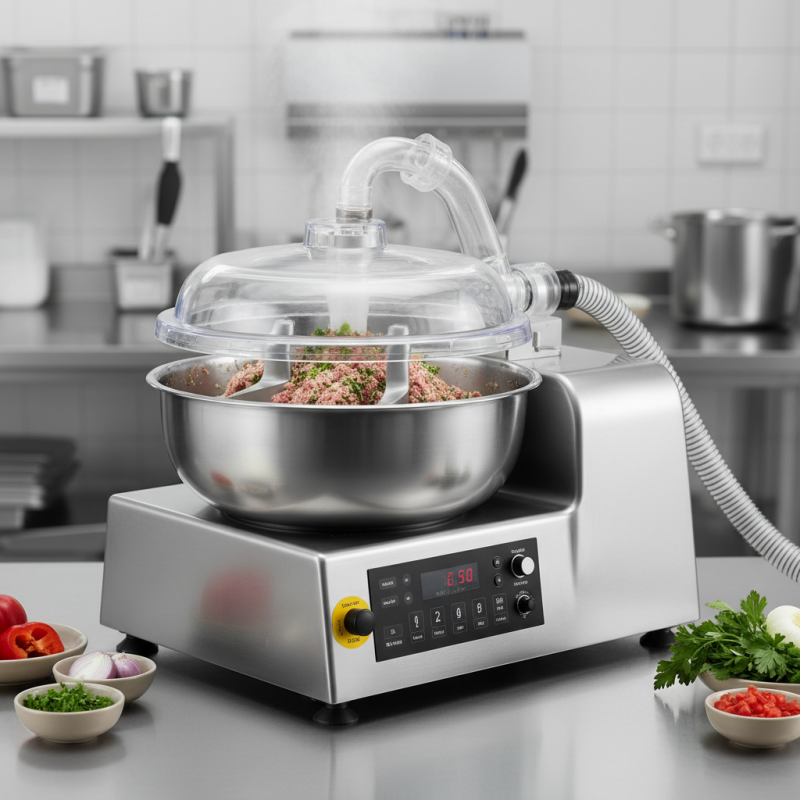
What is a Vacuum Bowl Cutter?
A vacuum bowl cutter is a specialized kitchen tool. It combines a bowl and a vacuum system. This design ensures that food can be chopped and mixed efficiently. The vacuum aspect helps to minimize oxidation. This feature is essential for preserving flavors and colors in ingredients.
Using a vacuum bowl cutter may require some practice. The controls can seem complex at first. However, once understood, it's straightforward to operate. The bowl does not only chop; it also incorporates air pressure changes during the process. These features allow for a more uniform texture in food preparation.
The versatility of a vacuum bowl cutter is impressive. It can handle various food types, from meats to vegetables. However, not every user finds it intuitive. Some might struggle with adjusting the settings. Experimentation is key, as every ingredient may require different settings to achieve the best results. Though it can be a learning curve, the benefits often outweigh the challenges.
Key Components of a Vacuum Bowl Cutter
A vacuum bowl cutter is essential in food processing, particularly for meat and fish products. It ensures the perfect blend of ingredients while minimizing air exposure. Key components of this machine play significant roles in its performance.
The main part of a vacuum bowl cutter is the bowl itself. Typically, it is made of stainless steel, ensuring hygiene and durability. This bowl can hold a significant amount of mixture, usually around 50 to 100 liters, depending on the model. The blades, which rotate at high speeds, can chop and emulsify ingredients in seconds. Their sharpness is crucial for achieving the desired texture. Studies highlight that the right blade speed can enhance product quality by up to 30%.
Another vital feature is the vacuum system. This technology removes trapped air to create a vacuum environment. An effective vacuum can reduce oxidation, prolonging shelf life by 15% or more. However, not all vacuum systems are efficient. Some units struggle to maintain optimal pressure, affecting the final product's quality. Regular maintenance is needed to prevent such issues, but often it is overlooked.
Lastly, control systems in vacuum bowl cutters are also important. They manage variables like speed and vacuum pressure. Advanced models now come with digital interfaces for precise adjustments. Yet, not every operator is trained to use these systems effectively. Mismanagement can lead to inconsistent results, highlighting the need for better training in this area.
Key Components of a Vacuum Bowl Cutter
How the Vacuum Bowl Cutter Operates
A vacuum bowl cutter is a vital tool in food processing. It combines cutting, mixing, and kneading. The vacuum feature prevents oxidation, preserving flavor and color, which results in high-quality products. The machine operates by creating a vacuum inside the bowl, reducing air pressure and allowing ingredients to blend more efficiently.
During operation, the blades rotate at high speeds. This motion can create heat, affecting food quality. However, many modern models have temperature control systems to manage this. According to industry reports, vacuum bowl cutters can enhance productivity by up to 30%. This efficiency is crucial for large-scale food production.
Despite its advantages, using a vacuum bowl cutter requires skill. Operators must ensure proper settings for each recipe. Miscalculations can lead to inconsistent textures. Continuous monitoring is necessary during production. Some operators might overlook this, resulting in quality issues. A balance between speed and quality is essential for success.
Benefits of Using a Vacuum Bowl Cutter
A vacuum bowl cutter is a specialized kitchen tool. It blends food ingredients efficiently while using a vacuum to trap air. This unique function helps in preserving the freshness and color of ingredients.
Using a vacuum bowl cutter has significant benefits. Firstly, it reduces oxidation. When food is exposed to air, it can lose flavor and nutrients. The vacuum process minimizes this exposure, maintaining the quality of your ingredients. Additionally, the vacuum feature results in a smoother texture for purees or doughs. It creates an even blend, making your dishes look and taste better.
Tip: Always pre-chill your ingredients for better results. Cold items enhance the vacuum process, leading to a superior blend.
Another notable aspect is the time saved during preparation. A vacuum bowl cutter can perform tasks quickly, streamlining the cooking process. However, it can also be challenging to master. Finding the right settings requires practice and attention.
Tip: Start with small batches to understand how the cutter works. Experiment with different ingredients to discover the best combinations.
Applications in Food Processing and Culinary Arts
Vacuum bowl cutters are essential in the food processing and culinary arts industries. They combine cutting and mixing within a sealed environment. This design helps preserve flavors and improve texture. In a vacuum, air bubbles are removed from the mixture, leading to a finer product. Chefs and food manufacturers appreciate this.
These machines find usage in various applications. For instance, they are vital in producing emulsions, like sauces and dressings. The vacuum helps achieve a smooth consistency. Additionally, they are used for chopping meats and vegetables. The results are consistent and uniform pieces. However, not every chef has mastered this tool. Missteps can lead to over-processing or uneven textures.
Training is important to maximize efficiency. Each machine has specific capabilities, which can be daunting to navigate. Some chefs may struggle to adapt their techniques. Reflection on these challenges can lead to better practices. Understanding the equipment’s limits is crucial. As the culinary landscape evolves, staying informed is imperative for success.
What is a Vacuum Bowl Cutter and How Does It Work? - Applications in Food Processing and Culinary Arts
| Application | Description | Benefits | Commonly Used Ingredients |
| Meat Processing | Emulsifying and mixing ground meat for sausage production. | Improved texture and flavor consistency. | Pork, beef, chicken. |
| Vegetable Processing | Finely chopping vegetables for purees and dips. | Enhanced flavor release and uniform consistency. | Carrots, onions, garlic. |
| Dairy Products | Mixing and homogenizing cheese spreads. | Smooth texture and stable emulsification. | Cream cheese, ricotta. |
| Sauces and Dressings | Combining ingredients to create sauces or dressings. | Reduced aeration and better emulsification. | Olive oil, vinegar, herbs. |
| Bakery Products | Mixing batters without incorporating air. | Enhanced structure and density of baked goods. | Flour, sugar, eggs. |