
Submit Inquiry
27 West Beaver Creek Road Unit #2
Richmond Hill, ON, CANADA L4B 1M8

International:

1-905-886-0335

US & Canada:

1-800-265-5696

Top 10 US DDP Duty Paid Door to Door Shipping FAQs?

Cross-border commerce is becoming more convenient, but delivery expectations are becoming less forgiving. US DDP Duty-Paid Door-To-Door Shipping addresses this tension by placing customs clearance, duties, taxes, and final delivery within one coordinated service. For a buyer, the promise is simple: no surprise invoice at the doorstep. The operational reality is less simple.

The Pitney Bowes Parcel Shipping Index reported that the United States handled about 21.7 billion parcels in 2023. That scale exposes small errors quickly. A wrong Harmonized System code, incomplete product description, or inaccurate declared value can delay a shipment. DHL’s 2024 E-Commerce Trends Report also shows that delivery clarity strongly influences online purchasing decisions. Customers want visible costs. They also want dependable tracking.

John Pearson, former CEO of DHL Express, has emphasized the importance of “certainty, speed, and simplicity” in international shipping. That principle fits DDP well, although it does not remove every risk. Import eligibility, tax treatment, product classification, and destination procedures still require professional review. The World Trade Organization’s trade data also confirms that goods move through increasingly complex global networks. Complexity hides in ordinary details.

This FAQ guide examines the ten questions businesses ask most often about US DDP Duty-Paid Door-To-Door Shipping. It explains pricing, customs responsibility, delivery timing, documentation, returns, and tracking. Some answers depend on the product and destination. That is the part many summaries overlook. A clear process is valuable, but careful verification remains essential.
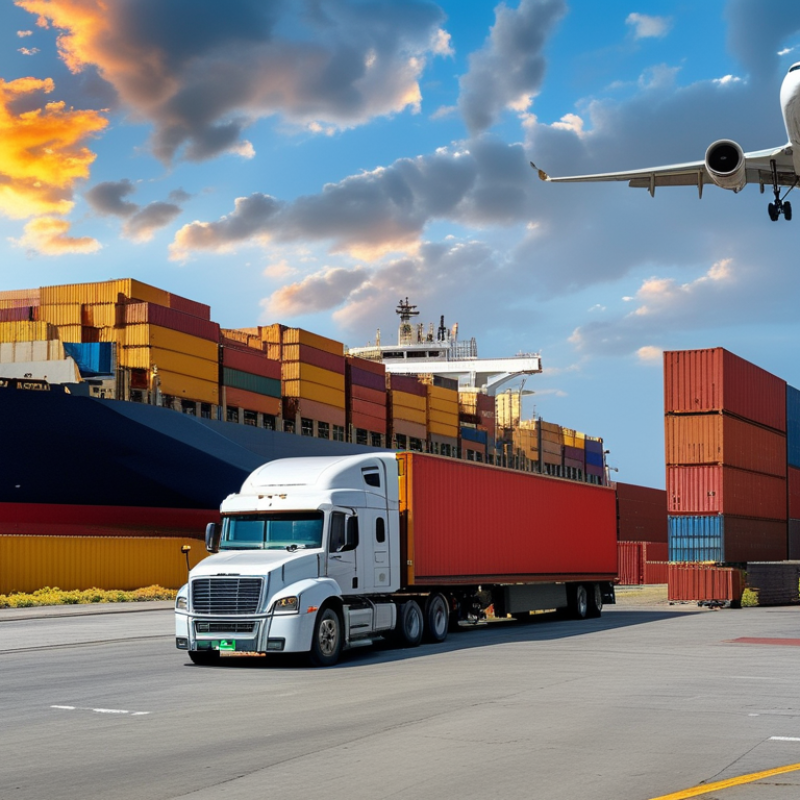
Top 10 US DDP Duty Paid Door to Door Shipping FAQs?

What Is US DDP Door-to-Door Shipping and How Does It Work?

US DDP door-to-door shipping means the seller arranges transport from the supplier’s warehouse to the buyer’s address. DDP stands for Delivered Duty Paid. The seller usually manages export clearance, international freight, import clearance, duties, and taxes. A local carrier then delivers the parcel to the final destination. The buyer normally receives the shipment without paying customs charges at the door.

The process begins with accurate product details, value, weight, and delivery information. Customs authorities use these details to assess import requirements and charges. The seller or appointed logistics provider may act as the importer of record, depending on local rules. This responsibility must be confirmed before shipping. In my experience, unclear invoices cause avoidable delays. The process sounds simple, but it is not flawless. Tax rules, remote-area fees, or restricted delivery conditions may still affect the shipment.

Tips: Check whether the quote includes every duty, tax, clearance fee, and final-mile charge. Ask for a written list of exclusions. Use a complete commercial invoice with a precise product description. Keep the recipient’s phone number available. Track the shipment after customs release. If the delivery estimate seems unusually short, question it. A realistic timeline is safer than a perfect promise. Small details matter, especially when the package reaches the destination country.

Which Duties, Taxes, and Fees Are Included in US DDP Shipping?

Under Delivered Duty Paid (DDP) terms, the seller pays import costs until the shipment reaches the agreed U.S. delivery address. ICC Incoterms 2020 places import clearance, customs duties, and import taxes on the seller.

In practice, a DDP quote may include the tariff duty, customs brokerage, entry filing, merchandise processing fees, and carrier disbursement charges. Some shipments may also involve harbor maintenance fees.

The United States has no federal value-added tax. State sales or use tax can still apply, depending on the seller’s economic nexus and the buyer’s location. It is not automatically included in every DDP quotation.

The U.S. Customs and Border Protection’s trade statistics show the scale of this system, with annual goods imports exceeding three trillion dollars. Small classification errors can therefore create expensive adjustments.

A product’s HTS code, country of origin, customs value, and eligibility for trade preferences all affect the final amount.

A clear DDP invoice should show these costs separately.

It should also identify exclusions, such as storage, inspection charges, redelivery, or penalties caused by incomplete documents. The World Bank’s 2023 Logistics Performance Index evaluates customs on a one-to-five scale, highlighting how clearance quality affects delivery reliability.

Yet a perfect quote is difficult. Rates change, product descriptions remain imperfect, and tax treatment can be misunderstood.

Ask for a landed-cost breakdown before shipping.
Hidden fees are not a minor detail.

What Goods, Destinations, and Shipment Sizes Qualify for US DDP?

Top 10 US DDP Duty Paid Door to Door Shipping FAQs

What goods, destinations, and shipment sizes qualify for US DDP? The answer depends on customs classification, transport routes, and the importer’s documentation. Generally, ordinary commercial goods with accurate invoices, product descriptions, weights, and country-of-origin details can qualify. Restricted, dangerous, counterfeit, or improperly declared goods do not qualify. Commodity details matter.

The United States typically accepts DDP shipments for addresses across the contiguous states. Alaska, Hawaii, Puerto Rico, and other territories may require separate services, surcharges, or local clearance arrangements. The World Bank’s 2023 Logistics Performance Index shows that customs efficiency and infrastructure strongly affect delivery reliability. A rural address may therefore need more time than a major city.

Small parcels, cartons, pallets, and full containers can use DDP when the carrier supports the route. The U.S. Customs and Border Protection de minimis framework allows eligible shipments valued at $800 or less to enter under simplified conditions, but DDP does not remove every compliance duty. Higher-value cargo needs proper entry filing and tariff review. UNCTAD’s Review of Maritime Transport reports that maritime shipping carries over 80% of global merchandise trade by volume, making containerized DDP practical for larger cargo. Still, oversized freight is not automatically eligible. I would confirm dimensions, stackability, insurance, and final-mile access before quoting. Mistakes often begin with an incomplete product description.

Which Documents and Customs Details Are Required for DDP Shipments?

For DDP door-to-door shipping, accurate documents matter as much as the freight itself. The commercial invoice should show the seller, buyer, product description, quantity, unit value, currency, and agreed DDP terms. Avoid vague descriptions such as “parts” or “samples.” Customs officers need clear information.

A detailed packing list should match the invoice, including carton numbers, weights, dimensions, and packing methods. The transport document must show the correct consignee and delivery address. Customs also requires the proper HS code, country of origin, and, when applicable, a tax identification number. Some destinations require an importer of record or a signed customs authorization. DDP does not remove those local requirements.

In practice, I check every document against the physical cartons before pickup. One incorrect digit in an HS code can delay clearance or change the duty calculation. Product values also need careful review. Artificially low values create unnecessary questions and may lead to penalties. I have seen shipments delayed because the invoice used a warehouse address instead of the legal importer’s address. Small errors are not always small.

Requirements vary by destination and product type. Confirm the latest customs rules with a qualified broker or local authority. Keep digital copies of invoices, permits, origin evidence, and delivery records. Some procedures remain unclear until customs reviews the shipment. Plan for that possibility.

Top 10 US DDP Duty Paid Door to Door Shipping FAQs? - Which Documents and Customs Details Are Required for DDP Shipments?

A practical reference for preparing customs documents and shipment details for Delivered Duty Paid shipments to the United States.

No. FAQ / Data Dimension Required Information or Document Practical Requirement for a US DDP Shipment Important Customs Note
1 What does DDP mean? Incoterms® 2020 delivery term and named destination Under DDP, the seller generally arranges transportation to the agreed US delivery location and assumes responsibility for export clearance, import clearance, customs duties, and applicable import taxes or charges stated in the sales agreement. The named place should be precise, such as a full street address or warehouse location. DDP does not automatically include every domestic charge or state-level tax unless agreed.
2 Which commercial invoice details are required? Commercial invoice or equivalent customs invoice Include seller and buyer details, consignee, ship-to address, invoice number and date, currency, Incoterm and named place, detailed product descriptions, quantity, unit price, total value, net and gross weight, and payment terms. Descriptions should identify what the goods are, what they are made of, and their intended use. Avoid vague wording such as “parts,” “samples,” or “accessories.”
3 Is a packing list required? Packing list List carton or pallet marks, package count, dimensions, contents by package, net weight, gross weight, and total measurements. The packing list should match the invoice and transport document. Differences between the packing list, invoice, and physical cargo can cause inspection, delays, or requests for clarification.
4 What HS or HTS classification is needed? US HTS classification for each product line Provide the applicable Harmonized Tariff Schedule of the United States number, normally stated to the required number of digits, together with the product composition, function, model, and technical specifications. The classification determines duty treatment and may affect admissibility, quotas, trade remedies, or agency requirements. The importer remains responsible for accurate classification even when a broker files the entry.
5 Which customs value should be declared? Transaction value and valuation support Declare the price paid or payable for the imported goods, adjusted where required under US customs valuation rules. Provide currency, assists, commissions, royalties, packing costs, freight details, and other relevant additions when applicable. Do not reduce the customs value simply because the seller is paying the duties under DDP. A nominal or unsupported value may trigger a customs query.
6 What country-of-origin information is required? Country of origin and marking information State the country where each product was manufactured or substantially transformed. Include product marking details and supporting manufacturing information when requested. Country of origin is not always the same as the export country. Origin can affect duty rates, marking, trade remedies, and eligibility for special programs.
7 Who is the importer of record? Importer of Record details and customs authorization Identify the party legally responsible for entry accuracy, admissibility, recordkeeping, and payment of duties and fees. Provide the importer’s legal name, US address, tax or identification number when required, and contact details. A foreign seller may need an appropriate US customs arrangement to act as or support the importer of record. A customs broker’s power of attorney may also be required.
8 Is a customs bond required? Single-entry or continuous customs bond, when applicable A bond may be required for formal entries and certain import activities. The broker or customs surety can help determine the bond type and amount based on entry value, duties, and shipment frequency. Bond requirements depend on entry type and circumstances. Informal shipments may follow different procedures, but they still require accurate descriptions and values.
9 Which transport documents are needed? Air waybill, bill of lading, or other carriage document Provide the transport document number, shipper, consignee, notify party where applicable, package count, weight, routing, port or airport of arrival, and final delivery address. For ocean freight, advance cargo information requirements may apply before loading. The shipment data should be submitted within the carrier’s and regulatory filing deadlines.
10 Are permits or agency documents required? Product-specific licenses, permits, certificates, or declarations Depending on the goods, provide documents such as safety data sheets, product certifications, food or plant-related information, medical-device details, textiles data, battery declarations, or other agency filings. Customs clearance does not replace requirements imposed by other US government agencies. Confirm admissibility before dispatch, especially for regulated, hazardous, biological, food, pharmaceutical, or wireless products.
Planning note: DDP pricing should clearly state whether it includes customs duties, import taxes, brokerage, exam charges, storage, delivery appointment fees, and any applicable domestic charges. Requirements vary by product, transport mode, entry type, and current US regulations.

How Are DDP Deliveries Tracked, Delayed, Returned, or Claimed?

DDP deliveries are tracked through a shipment number linked to scans at pickup, export, customs, and final delivery. A useful tracking record should show the latest physical location, not only a repeated status message. For example, a parcel may remain at an airport for two days while customs reviews its invoice and declared value. That delay is not always a transport failure. Updates can also appear late.

Delays usually require checking three details: document accuracy, duty payment status, and the recipient’s address. Under DDP terms, the seller generally arranges import clearance and pays applicable duties. However, local authorities may request additional information before release. Keep commercial invoices, packing records, and delivery instructions together. Small errors matter. A missing apartment number can create a failed delivery attempt, storage charge, or return.

Returned shipments need prompt investigation because transport, customs, and handling fees may still apply. Check the carrier’s reason code before approving reshipment. If a parcel arrives damaged or missing, photograph the outer carton, inner packaging, labels, and contents immediately. A claim normally needs tracking history, purchase evidence, and a damage report. Do not discard the packaging too soon. In practice, claim rules differ by service and destination, and some deadlines are surprisingly short. Better records usually produce better decisions, though no process removes every delivery risk.

Top 10 US DDP Duty Paid Door-to-Door Shipping FAQs

How are DDP deliveries tracked, delayed, returned, or claimed?

Under Incoterms® DDP, the seller generally arranges transport, export and import clearance, duties, and delivery to the agreed destination. The carrier provides tracking and transport updates, while return rules and claims are normally governed by the sales contract and carrier terms. A value of 1 indicates that the party is typically involved in the operational step; 0 indicates that the party is not normally the primary party responsible.

123