Understanding Sewer Line Relining: A Comprehensive Guide to Modern Pipeline Repair Techniques
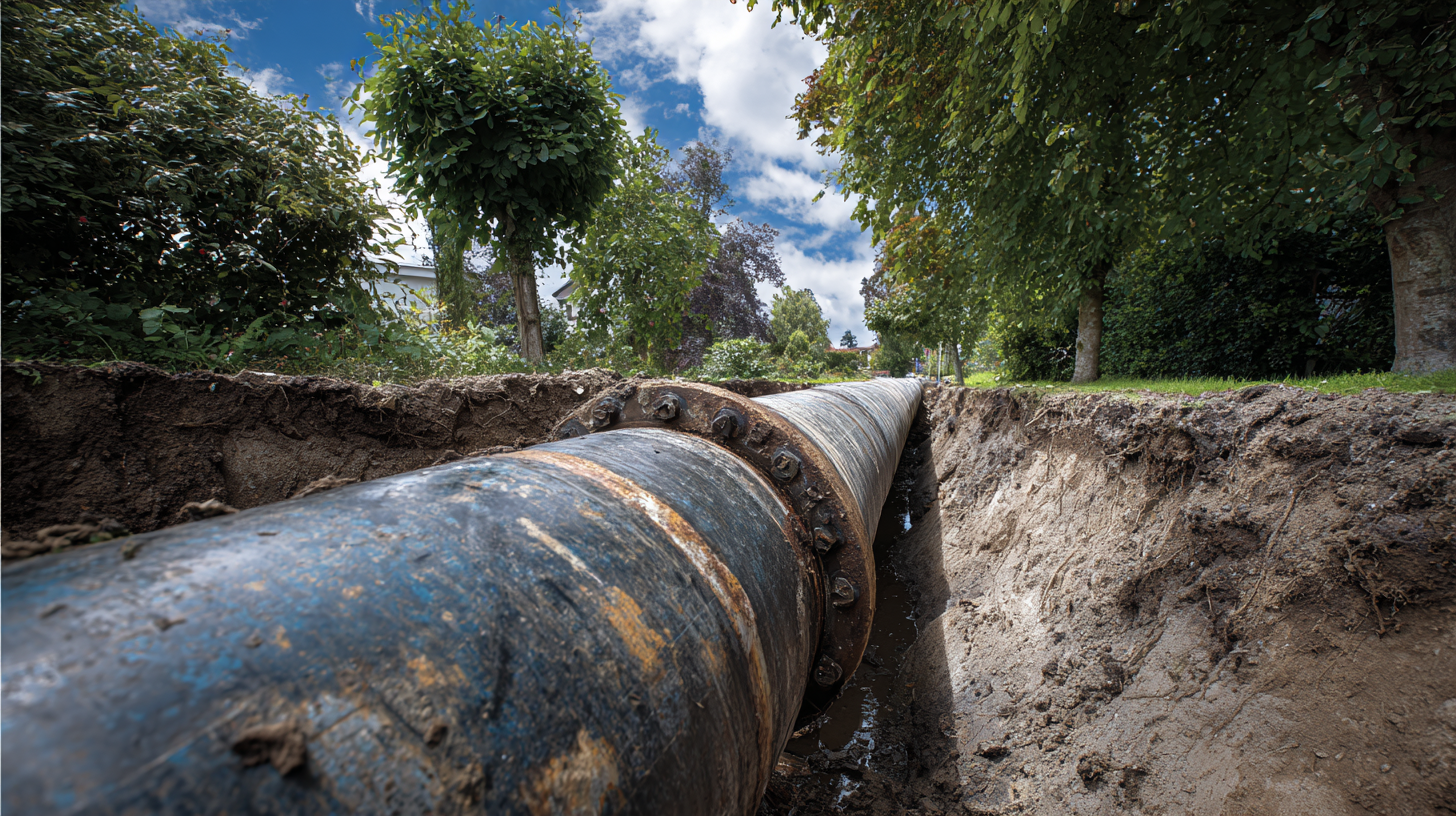
Sewer line relining is revolutionizing the way we approach pipeline repairs, offering a long-lasting solution that minimizes disruption and cost. According to the American Society of Civil Engineers, approximately 250,000 sewer main breaks occur annually in the United States, underscoring the critical need for effective repair techniques. Traditional methods of pipe replacement can be both labor-intensive and costly, often requiring extensive excavation. In contrast, sewer line relining provides a trenchless alternative, enabling homeowners and municipalities to restore their pipeline integrity with less environmental impact and reduced operational downtime. Utilizing modern materials and advanced technology, this repair method can extend the lifespan of aging sewer systems by up to 50 years, making it an essential consideration for anyone looking to maintain efficient wastewater management.
Understanding the Importance of Sewer Line Relining for Modern Infrastructure Repair
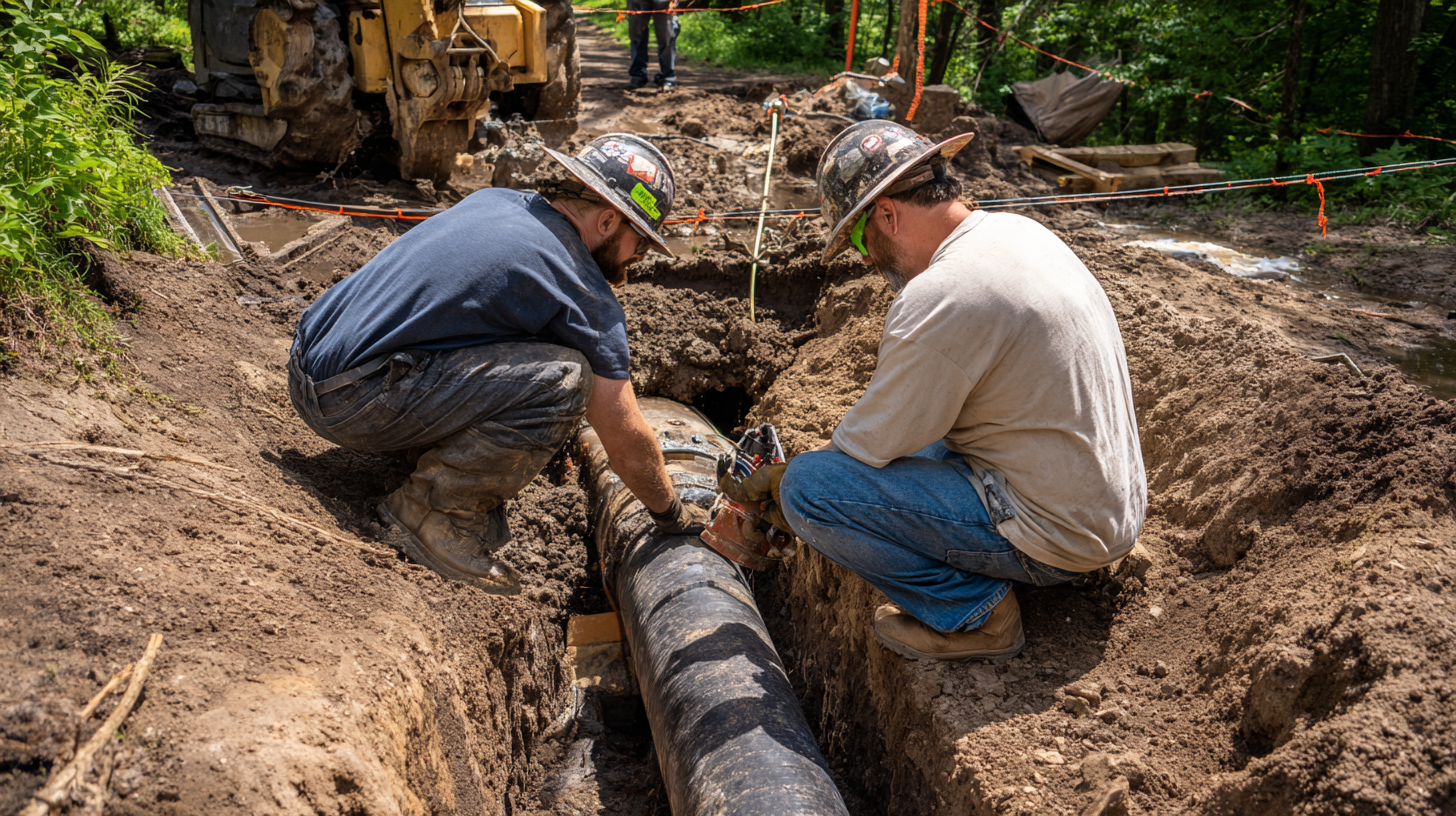 Sewer line relining is crucial for maintaining the integrity of modern infrastructure. As reported by the National Association of Sewer Service Companies (NASSCO), nearly 25% of the sewer systems in the United States are over 50 years old, and many of these systems are prone to cracks, leaks, and total failures. Relining allows for a cost-effective and minimally invasive solution to repair damaged pipes, reducing the need for extensive digging and disruption to the surrounding landscape.
When considering sewer line relining, it's essential to choose the right materials and methods. Cured-in-place pipe (CIPP) is one of the most widely used techniques, known for its ability to extend the life of existing pipe by up to 50 years. According to a study by the American Society of Civil Engineers, infrastructure rehabilitation using relining can save municipalities up to 40% compared to traditional replacement methods. This not only conserves resources but also enhances the sustainability of urban environments.
Tip: Always consult with a licensed professional who can assess the condition of your sewer lines and recommend the best relining approach. Regular inspections can help identify issues earlier, preventing costly repairs later. Another key point is to ensure your chosen contractor uses state-of-the-art technology to maximize the effectiveness of the relining process.
Key Techniques and Materials Used in Pipeline Relining Processes
Sewer line relining is a modern pipeline repair technique that offers a minimally invasive solution to damaged underground pipes. The process primarily utilizes two key techniques: cured-in-place pipe (CIPP) lining and the sliplining method. CIPP lining involves inserting a flexible, resin-saturated liner into the existing pipe, which is then inflated and cured, creating a new, durable pipe within the old one. This method is particularly advantageous for its ability to navigate bends and turns within the piping system, minimizing the need for extensive excavation.
On the other hand, sliplining requires a new, smaller pipe to be inserted into the existing damaged sewer line. This technique is often used for larger diameter pipes where a reduction in flow capacity is acceptable. The materials employed in these methods include epoxy resins, which provide corrosion resistance and structural integrity, and high-density polyethylene (HDPE) for sliplining, known for its flexibility and strength. Both techniques ensure a reliable and efficient repair process, extending the lifespan of sewer lines while mitigating disruption to surrounding infrastructure.
Cost Estimation and Financial Benefits of Sewer Line Relining vs. Traditional Methods
Sewer line relining is revolutionizing the way we approach pipeline repairs, offering substantial financial benefits compared to traditional digging methods. Traditional sewer repairs often involve extensive excavation, leading to disruption, increased labor costs, and the need for significant restoration of the landscape. In contrast, relining involves inserting a resin-coated liner into the existing pipe, minimizing the need for digging and reducing associated costs. Homeowners can save thousands by opting for this method, as it lowers not only the initial repair costs but also future maintenance expenses.
Moreover, the time saved with sewer line relining translates into financial gains. While traditional methods might take days or even weeks to complete, relining typically only requires a few hours to install. This efficiency not only lessens everyday inconveniences but also accelerates the return to normalcy for affected households.
Understanding the cost estimation associated with both methods highlights the long-term savings that relining offers, making it a highly recommended option for those looking to invest wisely in their plumbing systems.
Common Signs Indicating Your Sewer Lines Need Relining Immediately
When it comes to maintaining your home, one of the critical areas that should never be overlooked is the sewer line. Knowing the common signs that indicate your sewer lines 需要重新衬里 can help prevent more severe issues and costly repairs down the line. If you notice repeated backups in your sinks, toilets, or showers, this could be a sign of a failing sewer system. Additionally, if there are unexplained foul odors around your property or visible signs of sewage leakage in your yard, immediate action is essential.

Another key indicator is slow drainage across multiple fixtures in your home, which often points to a larger issue with your sewer line. It’s also important to be aware of the potential health risks associated with sewer line repairs, particularly those involving chemicals used in modern techniques like cured-in-place pipe (CIPP) relining. Recent reports have highlighted concerns about noxious fumes released during the CIPP process, which have made individuals sick. Being vigilant about these signs can help protect both your home and your health.
The Future of Pipeline Repairs: Innovations in Sewer Line Relining Technology
Sewer line relining has emerged as a revolutionary solution for tackling the issues of traditional pipeline repair. With advancements in technology, the process has become more efficient, cost-effective, and less invasive. Innovations such as trenchless technology allow contractors to install a new lining directly within the existing pipeline, minimizing disruption to your property and surrounding environment. This method not only speeds up repairs but also extends the lifespan of your sewage system, ensuring long-term reliability.
When considering sewer line relining, it's essential to hire experienced professionals who specialize in the latest techniques. A thorough inspection using video camera technology can help identify the specific issues with your pipeline, enabling targeted repairs. Regular maintenance is also crucial; scheduling routine checks can prevent more significant problems down the line. Additionally, consider using environmentally friendly materials for relining, as many modern solutions are designed to be sustainable, minimizing harm to the ecosystem.
Incorporating these innovations into your pipeline maintenance strategy will not only save time and money but will also contribute to a more sustainable approach to wastewater management. Embracing technology today ensures a brighter, more efficient future for sewer line repairs.