Sewer Repair Without Digging Why Choose Trenchless Technology?
In recent years, sewer repair without digging has emerged as a revolutionary solution for homeowners and businesses alike. Traditional repair methods often lead to extensive disruption and costly excavation. Trenchless technology offers a practical alternative, minimizing damage to landscapes and existing structures. With this method, service providers can address issues more efficiently and effectively.
Professionals in the field highlight the advantages of trenchless technology. It reduces the time needed for repairs and decreases the overall costs involved. Moreover, it often leads to fewer permits and less regulatory hassle. However, not all situations may be ideal for trenchless methods, requiring careful assessment. Homeowners must engage with knowledgeable professionals to determine the best approach for their specific needs.
Choosing sewer repair without digging reflects a growing trend towards sustainable solutions. It aligns with environmental concerns and aims to preserve natural landscapes. Yet, it is essential to weigh the pros and cons of this technology. Understanding the limitations and challenges can lead to more informed decisions. Overall, trenchless technology continues to shape the future of sewer repair, but it is not without its complexities.
Understanding Trenchless Technology in Sewer Repair
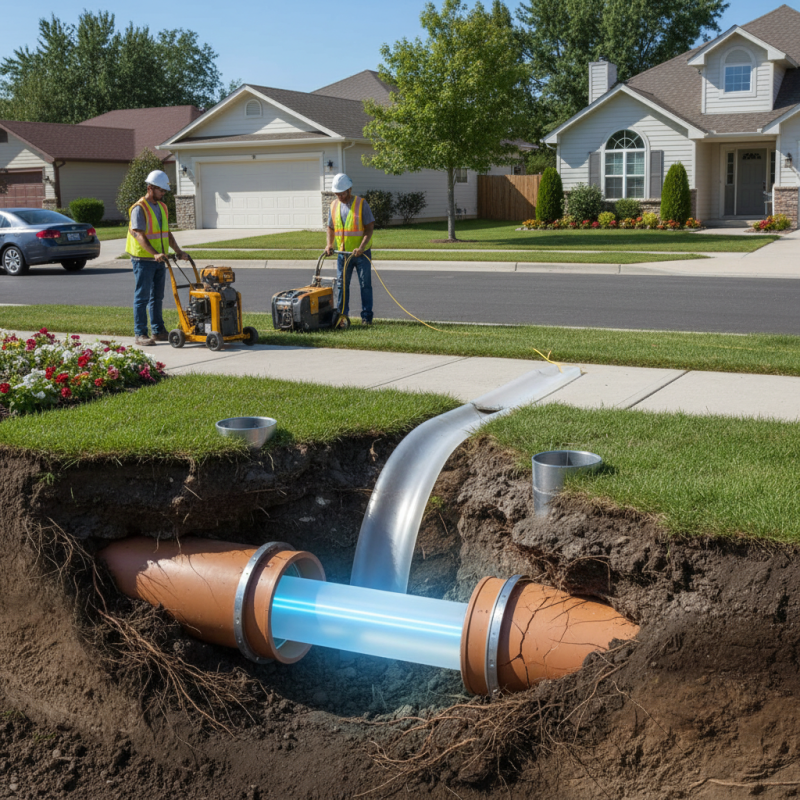
Trenchless technology has transformed sewer repair practices significantly. This innovative method allows for pipe repairs without the need for extensive digging. According to the American Society of Civil Engineers, trenchless technology can reduce project time by up to 60%. This means less disruption to residents and businesses, making it a favorable option in urban areas.
Understanding trenchless technology involves recognizing its two primary methods: pipe bursting and pipe lining. Pipe bursting involves breaking apart the old pipe while simultaneously inserting a new one. In contrast, pipe lining creates a new, durable layer within the existing pipe. Both methods minimize damage to landscapes and infrastructure, which is crucial. Data from the National Association of Sewer Service Companies indicates that nearly 80% of sewer repairs utilize some form of trenchless technology in metropolitan areas.
Despite its advantages, plans using trenchless technology may face challenges. Ground conditions can vary, affecting the feasibility of implementation. Moreover, the initial investment might seem higher compared to traditional methods. However, considering the long-term benefits and reduced environmental impact, trenchless methods often pay off. The technology brings recovery and innovation but requires careful planning and understanding of existing conditions for optimal results.
Sewer Repair Without Digging: Why Choose Trenchless Technology?
| Feature |
Trenchless Technology |
Traditional Repair |
| Excavation Requirement |
No |
Yes |
| Time Efficiency |
High |
Low |
| Environmental Impact |
Minimized |
High |
| Cost Efficiency |
Moderate |
High |
| Disruption to Surroundings |
Low |
High |
| Longevity of Repair |
High |
Variable |
Benefits of Trenchless Sewer Repair over Traditional Methods
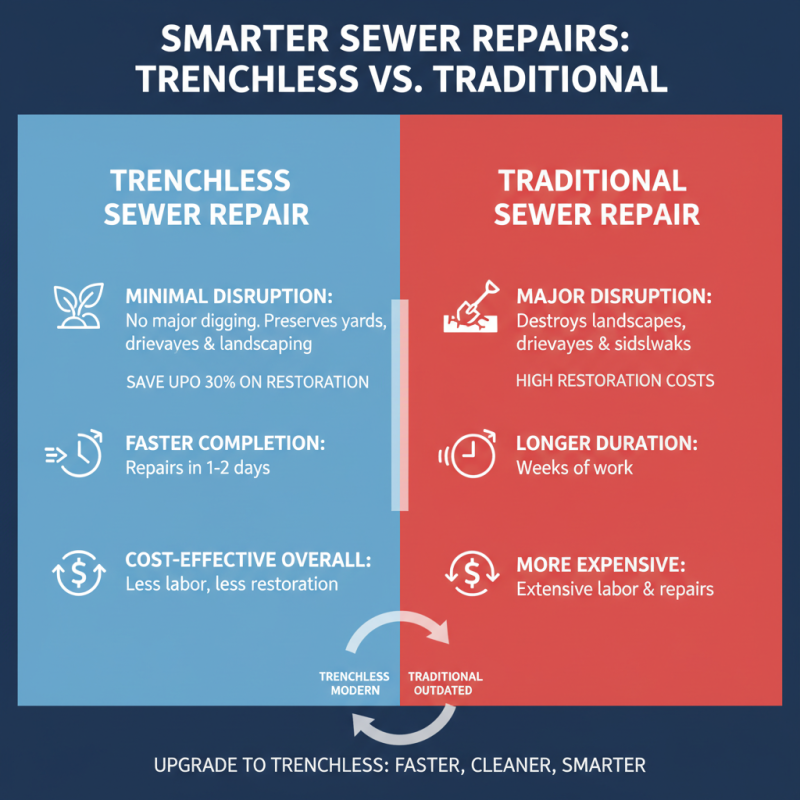
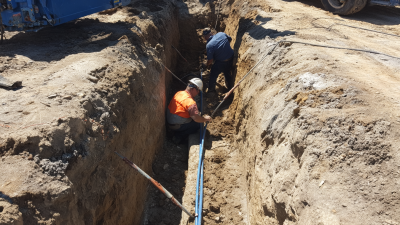
Trenchless sewer repair technology presents significant advantages over traditional methods. First, it minimizes surface disruption. Traditional digging often results in extensive excavation. This can damage landscapes, driveways, and sidewalks. A study by the National Association of Sewer Service Companies found that trenchless methods can reduce surface restoration costs by up to 30%. This efficiency saves both time and money.
In addition to cost savings, trenchless technology improves project timelines. Repairs that take weeks with traditional digging can often be completed in just days. According to the American Society of Civil Engineers, trenchless methods reduce project durations by an average of 50%. This rapid completion minimizes inconveniences for homeowners and residents, enhancing overall satisfaction. Furthermore, trenchless repairs often lead to less disruption in the community.
Lastly, trenchless techniques typically offer longer-lasting solutions. Repairs made without digging rely on advanced materials and methods. These can withstand environmental factors better than traditional repairs. However, trenches do not come without challenges. Proper assessment and skilled professionals are vital. Quality control is essential to avoid future issues. The potential for misalignment or improper installation should be acknowledged seriously.
Cost Comparison: Trenchless vs. Traditional Sewer Repair Solutions
When considering sewer repair options, the cost can greatly influence your decision.
Trenchless technology often presents a more affordable solution compared to traditional methods.
Traditional repairs require extensive digging, which can lead to significant restoration costs for your yard or driveway. In contrast, trenchless methods involve minimal excavation, which typically results in lower labor and material costs.
One could argue that the initial investment in trenchless technology is higher. However, the long-term savings can outweigh this upfront expense.
Minimally invasive techniques reduce the time needed for repairs. This means less disruption to your property and daily life.
Furthermore, the risk of damage to existing landscaping and structures is considerably lower.
Nevertheless, it's crucial to weigh the benefits against potential drawbacks. Not all situations favor trenchless methods.
In some cases, heavily damaged pipes may not yield as effective results.
A thorough assessment by skilled professionals is essential to determine the best option for your specific situation.
Balancing cost-effectiveness with reliable outcomes is key in making an informed choice.
Environmental Impact of Trenchless Technology in Urban Settings
Urban environments are often challenged by the need for effective sewer repairs. Trenchless technology offers a less invasive solution, preserving surface integrity. Traditional digging can disrupt roads, sidewalks, and landscaping. In contrast, trenchless methods limit disturbances. A study by the American Society of Civil Engineers noted that trenchless methods can reduce construction waste by up to 50%. This minimizes environmental impact.
Moreover, trenchless technology often takes less time than conventional approaches. Many projects can be completed in days rather than weeks. This speed reduces not just disruption but also potential risks to local ecosystems. According to a report from the National Association of Sewer Service Companies, trenchless techniques lower carbon emissions by 30% during installation. This is critical in urban areas where air quality is a growing concern.
However, challenges remain. There are instances where trenchless approaches may not be suitable. Geological conditions can limit effectiveness. Additionally, the costs can be higher upfront. Yet, long-term savings often offset initial expenditures. Ongoing training and development in the industry are essential for maximizing benefits. Overall, while trenchless technology is promising, continued reflection on its applications is necessary.
Sewer Repair Without Digging: Environmental Impact of Trenchless Technology in Urban Settings
Case Studies: Successful Trenchless Projects and Their Outcomes
Trenchless technology has transformed the world of sewer repair. Case studies demonstrate its effectiveness. One notable project involved a city facing frequent sewer backups. Workers used trenchless methods to replace old pipes without extensive digging. The result was minimal disruption to local businesses and residents. Noise levels dropped significantly, and traffic flow remained steady.
In another instance, a rural community embraced this technology to upgrade aging infrastructure. By using trenchless techniques, teams installed new pipelines with precision. They encountered unexpected groundwater issues, which complicated the process. However, the team adapted quickly, showcasing their expertise. The end result was a reliable system that improved local sanitation without ruining the landscape.
These examples reveal both successes and challenges in trenchless projects. While the technology minimizes disruption, it is not without hurdles. Teams must be prepared to face unpredictable conditions. Nevertheless, the overall outcomes in these case studies highlight trenchless technology as a viable option for modern sewer repairs.