Top Tips for Pipe Repair Without Digging You Need to Know
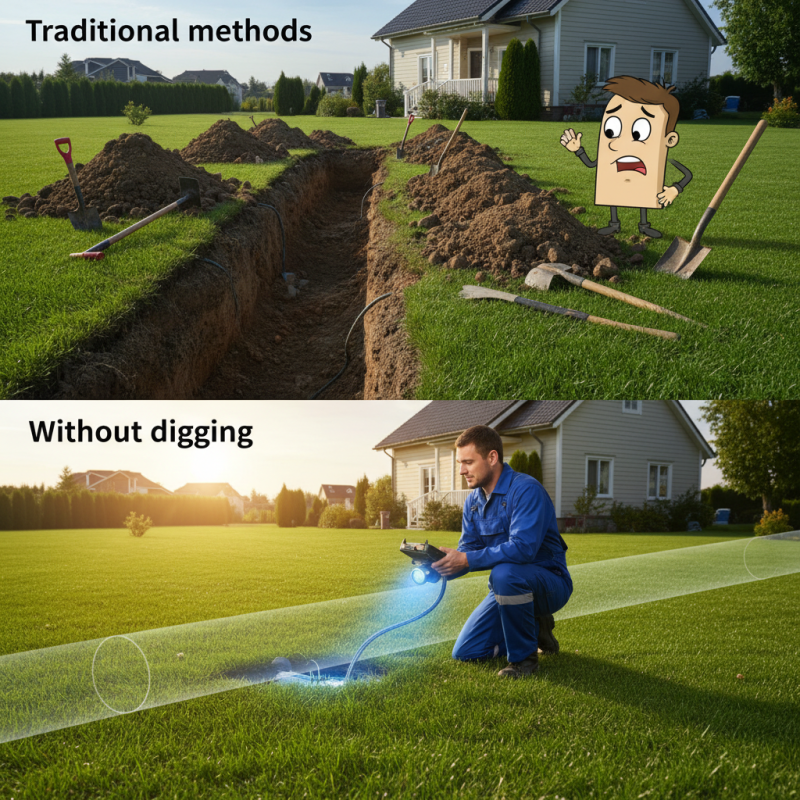
When faced with plumbing issues, traditional pipe repair methods often involve extensive digging, which can lead to disrupted landscapes and significant property damage. However, advancements in technology and new techniques have made it possible to conduct effective pipe repair without digging. This approach not only conserves the integrity of your yard or flooring but also minimizes the time and expense typically associated with conventional repairs. In this guide, we will explore essential tips for undertaking pipe repair without digging, allowing homeowners to address their plumbing concerns efficiently and with minimal disruption.
By understanding the various methods and tools available for trenchless repairs, you can equip yourself with the knowledge needed to tackle pipe issues head-on. Whether it's dealing with leaks, cracks, or blockages, innovative techniques can restore functionality to your plumbing system while preserving your property. In the following sections, we will delve into key strategies and best practices for pipe repair without digging, ensuring that you're prepared to make informed decisions when it comes to maintaining your plumbing.
Understanding the Importance of Trenchless Pipe Repair Techniques
Trenchless pipe repair techniques represent a revolutionary approach to dealing with underground piping issues. These methods are designed to minimize disruption by allowing repairs to be made without extensive digging. This is essential not only for preserving the landscape but also for reducing the time and cost associated with traditional repair methods. Understanding these techniques can save property owners a considerable amount of inconvenience and resources.
One key tip for successful trenchless repair is to conduct thorough inspections of your pipe system beforehand. Utilizing technology such as video cameras can help pinpoint exact locations of problems, ensuring that the repair process is efficient and targeted. Additionally, regular maintenance can prevent major issues from arising, making trenchless repairs more manageable.
Another important tip is to choose the right trenchless method for your specific needs. Options like pipe bursting and slip lining have distinct advantages, depending on factors such as the type of damage, soil conditions, and budget. Consulting with a qualified professional can provide clarity on which technique will yield the best results for your situation. Embracing these modern repair methods not only preserves your property’s aesthetics but also enhances the longevity and functionality of your plumbing system.
Common Causes of Pipe Damage that Require Immediate Attention
Pipes are essential components of any plumbing system, and understanding the common causes of pipe damage is crucial for effective maintenance and timely repairs. According to a report by the American Society of Civil Engineers (ASCE), nearly 10% of the clean water supply is lost due to leaks in aging pipelines, emphasizing the need for immediate attention to pipe issues. Factors such as corrosion, tree root intrusion, and ground movement can compromise the integrity of a pipe. For example, corrosion can be exacerbated by environmental conditions, leading to structural weaknesses and eventual leaks.
Another significant cause of pipe damage is high water pressure. The Plumbing and Drainage Institute notes that excessive water pressure can increase the risk of pipe bursts, with pressure levels exceeding 80 psi often cited as problematic. Additionally, the changing weather patterns and frequent freeze-thaw cycles can result in shifting soil, which may destabilize underground pipes. This can create voids and encourage further damage. Given that the average cost of water damage restoration can soar to thousands of dollars, recognizing these issues early becomes critical for homeowners and property managers alike.
Step-by-Step Guide to Identifying Pipe Problems Without Digging
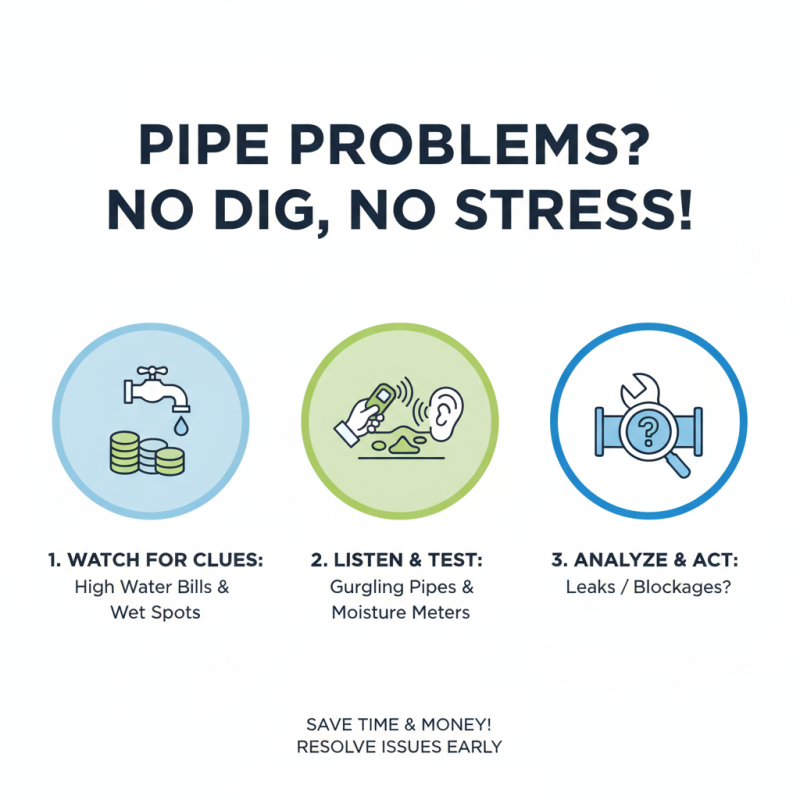
Identifying pipe problems without the need for digging can save both time and resources. Begin by observing the indicators of pipe issues, such as an unexplained increase in your water bill or noticeable wet spots in your yard. These signs often suggest leaks or blockages in your piping system. Utilize simple tools like a moisture meter to check for areas with excessive dampness and listen for unusual sounds in your plumbing, such as gurgling or constant running water, which can indicate deeper issues.
Once you suspect a problem, it's crucial to conduct a visual inspection. Check for any cracks, rust, or corrosion visible on exposed pipes. You can also use a camera inspection, which involves inserting a small camera into the pipe to get a detailed view of the interior. This technique allows for the identification of blockages, cracks, or other forms of deterioration without disturbing the ground. By following these steps and utilizing available technologies, you can effectively pinpoint pipe issues and address them promptly without the hassle of excavation.
Effective Tools and Materials for Non-Invasive Pipe Repairs
When it comes to pipe repair that avoids disruptive digging, utilizing the right tools and materials is crucial for effective and long-lasting solutions. One of the most popular techniques involves the use of trenchless technology, which allows for the repair of pipes without extensive excavation. Key tools include pipe inspection cameras, which enable pinpointing damage and assessing the condition of the pipes from within. This technology helps to minimize the chances of unnecessary repairs and reduces the time needed to complete the project.
In addition to inspection tools, utilizing slip lining, which involves inserting a smaller pipe into an existing one, is an effective method of non-invasive repair. This approach not only strengthens the damaged pipe but also reduces leaks and provides a new, smooth inner surface for efficient water flow. Furthermore, cured-in-place pipe (CIPP) lining has gained popularity, as it allows for the application of a resin-soaked liner that hardens to create a sturdy new pipe within the old one. Both slip lining and CIPP lining are invaluable methods that enhance the lifespan of piping systems while ensuring minimal disruption to the surrounding environment.
Safety Precautions to Take When Performing Pipe Repairs at Home
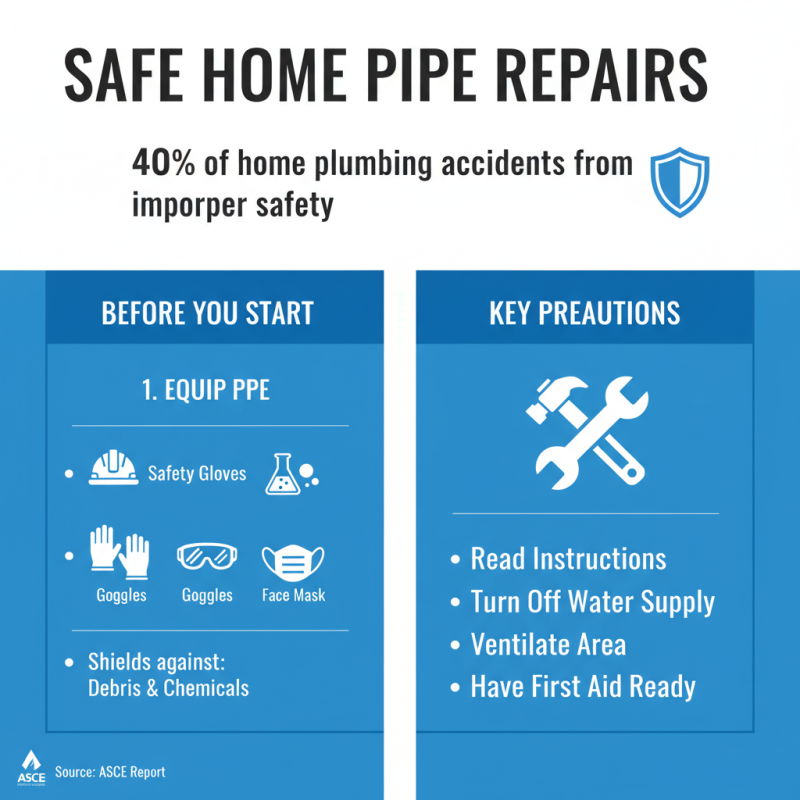
When undertaking pipe repairs at home without the need for extensive digging, safety precautions should always be at the forefront of your plans. According to a report from the American Society of Civil Engineers (ASCE), nearly 40% of home accidents related to plumbing repairs result from improper safety measures. Before starting any repair work, it is crucial to equip yourself with personal protective equipment (PPE). This includes safety gloves, goggles, and a face mask to shield against debris and potential chemical exposure from pipe sealants or cleaning agents.
Furthermore, understanding the characteristics of the plumbing system in your home is essential for safe repairs. The U.S. Environmental Protection Agency (EPA) indicates that approximately 10% of homes have leaks that waste more than 90 gallons of water a day. These leaks can lead to not only water waste but also hazardous mold growth if not addressed properly. Before initiating any repair, ensure that the water supply is completely shut off to prevent accidental flooding. Additionally, using tools such as a pipe locator can help identify buried pipes accurately, minimizing the risk of damaging other underground utilities during repairs. By adhering to these safety protocols, homeowners can effectively reduce risks and enhance the success of their pipe repair endeavors.