Top 10 Packaging Machinery Solutions for Global Buyers?
The global Packaging Machinery market has been experiencing significant growth, making it a vital sector for many industries. According to a recent report by Fortune Business Insights, the market was valued at approximately $40 billion in 2022 and is projected to reach $67 billion by 2030. This growth highlights the increasing demand for packaging solutions that enhance efficiency and sustainability.
Despite the advancements, buyers face challenges in selecting the right packaging machinery. Quality, speed, and versatility remain critical factors for businesses looking to streamline operations. Many companies struggle with integration into existing systems. Therefore, understanding the latest solutions available is crucial. As innovation continues to shape this field, the top 10 packaging machinery solutions offer insights into effective choices for a variety of applications and industries.
In an evolving marketplace, staying informed on packaging machinery is essential for competitive advantage. Buyers must weigh machine functionality and the availability of support and maintenance services. The complexity of choices can lead to confusion, underscoring the need for informed decision-making. This article aims to provide clarity in navigating these important industry solutions.
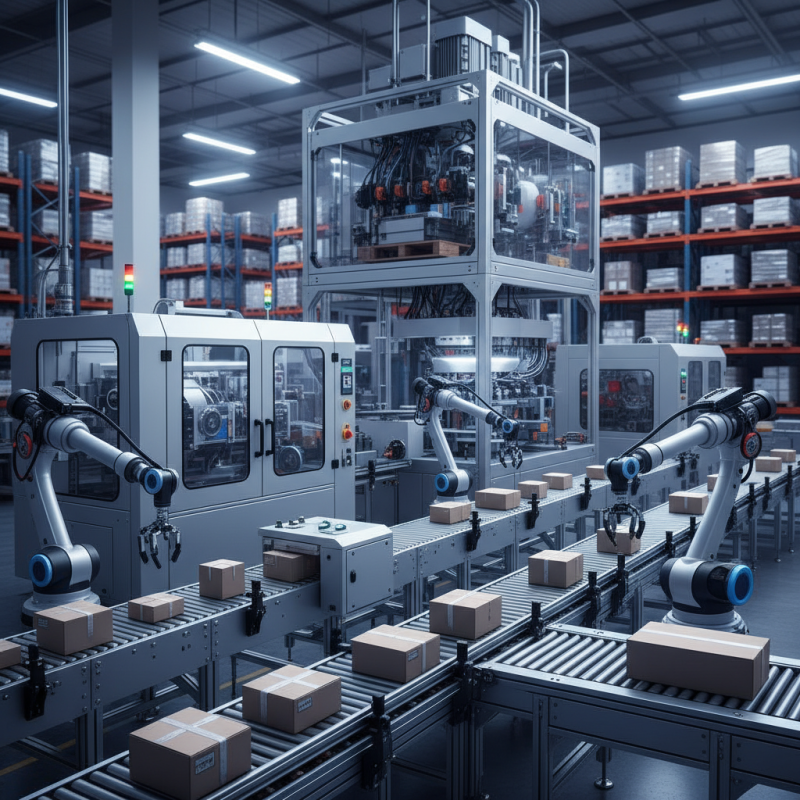
Types of Packaging Machinery in Demand Globally
The demand for packaging machinery has surged globally, driven by various industries such as food, pharmaceuticals, and consumer goods. According to a report by MarketsandMarkets, the packaging machinery market is projected to reach USD 53.5 billion by 2026. This growth is fueled by the need for efficient and automated solutions to enhance production capabilities.
Key types of packaging machinery in demand include filling machines, labeling machines, and cartoning machines. Filling machines, especially, account for a significant share of the market due to their versatility in handling various products. The industry witnesses a push for eco-friendly options too; biodegradable and sustainable materials are becoming essential.
Moreover, as companies strive for better efficiency, integrated systems that combine different processes are highly sought after. Despite advancements, challenges remain. The integration of new technologies can be complex and costly. Many companies face difficulties in transitioning from conventional to automated systems. Furthermore, while industry standards for safety and efficiency evolve, some machinery still lacks adherence to these standards. Continuous innovation and focus on user training will be vital for overcoming these hurdles and meeting market demands.
Key Features of Advanced Packaging Machinery Solutions
Advanced packaging machinery solutions have revolutionized the way products are packaged today. These machines often incorporate cutting-edge technology, ensuring efficiency and reliability. Many modern systems feature automation capabilities, which significantly reduce labor costs. Touchscreen interfaces allow for easy operation and quick adjustments. This integration of technology helps streamline production processes.
Safety is a crucial element in packaging machinery. Companies prioritize features such as emergency stop buttons and guarding systems. These safeguards protect operators, yet not all machines provide adequate training for users. It's essential for operators to fully understand the equipment they handle. Without proper training, even the best machinery can become a liability.
Sustainability is another key attribute. Eco-friendly packaging solutions are now in demand. Many producers are opting for machinery that uses recyclable materials or reduces waste. However, this shift requires ongoing investment and commitment. While advanced solutions offer numerous benefits, implementation can be a daunting task for some businesses. Adopting new technology demands careful planning and consideration.
Top Brands and Manufacturers in the Packaging Machinery Industry
The packaging machinery industry is vast and complex, with a variety of brands and manufacturers leading the way. These companies focus on innovation and efficiency. They provide critical solutions for diverse sectors, including food, pharmaceuticals, and consumer goods. Skilled engineers and designers develop equipment that meets industry standards.
Moreover, manufacturers often emphasize sustainability and automation. This shift enables a reduction in waste and enhances productivity. However, the rapid pace of technological change can be overwhelming. Many businesses face challenges in adapting to advanced machinery. Training staff on new equipment risks falling behind.
In navigating this competitive landscape, reliability remains essential. Buyers seek machinery that not only performs well but also lasts longer. Investing in high-quality equipment can prevent costly downtimes. The packaging machinery sector continues to evolve, responding to both market demands and regulatory pressures.
Innovative Trends in Packaging Technology for Global Markets
The packaging industry is evolving rapidly, driven by innovation and sustainability. Recent research shows that the global packaging machinery market was valued at approximately $46 billion in 2022 and is expected to grow to nearly $70 billion by 2028. This growth indicates a strong demand for advanced technologies and solutions.
Automation plays a key role in this transformation. According to a report by Smithers Pira, automated packaging systems can increase efficiency by up to 30%. These systems help reduce labor costs and improve product consistency. Flexible packaging solutions are gaining traction, allowing companies to adapt to changing consumer preferences.
Sustainability remains a top priority. A survey by Packaging Innovations revealed that 72% of consumers are willing to pay more for eco-friendly packaging. However, the industry faces challenges in balancing sustainability with performance. Material innovations, such as biodegradable films and recyclable materials, are critical yet still in development. The path forward is complex, requiring collaboration across multiple sectors to achieve meaningful progress.
Top 10 Packaging Machinery Solutions for Global Buyers
| Solution Name | Type | Key Features | Market Trends | Sustainability |
| Automated Filling System | Filling | High speed, Precision control, Easy integration | Increasing demand for efficiency | Reduced plastic use |
| Flexible Packaging Machine | Packaging | Versatile formats, Compact design | Shift towards sustainable materials | Biodegradable options |
| Labeling Solutions | Labeling | High accuracy, Multi-format capabilities | Increased regulatory requirements | Eco-friendly labels |
| Carton Sealer | Sealing | Automated sealing, Adjustable height | Rise in e-commerce packaging | Recyclable materials |
| Palletizer | Palletizing | High throughput, Flexible configurations | Shift towards automation | Reduced energy consumption |
| Shrink Wrapper | Wrapping | Compact size, Adjustable speed | Growing demand for bundled products | Sustainable shrink films |
| Case Packager | Case Packing | Robust design, High speed | Rising demand for retail-ready packaging | Use of recycled materials |
| Strapping Machine | Strapping | Fast operation, Durable construction | Increase in transportation efficiency | Eco-friendly strapping options |
| Vacuum Packaging Machine | Vacuum Packaging | Enhanced shelf life, Smart controls | Growing trend in food preservation | Minimal waste strategies |
| Automation Software | Software | Real-time monitoring, Data analytics | Integration of Industry 4.0 | Optimization for resource use |
Considerations for Buyers When Choosing Packaging Machinery Solutions
When selecting packaging machinery solutions, several critical considerations come into play. According to a recent industry report, the global packaging machinery market is anticipated to reach $50 billion by 2027. Buyers need to understand their specific needs. Key factors include machinery type, production speed, and operational efficiency.
Tip: Evaluate your production line. Identify how machinery integrates with existing systems to enhance productivity. This integration can lead to smoother operations, reducing downtime.
Maintenance is another crucial aspect. Reports indicate that unplanned downtime can cost manufacturers up to $250,000 per hour. Therefore, the reliability of machinery influences overall profitability. Assess the service and support offered by suppliers.
Tip: Check supplier response times for technical support. Proactive maintenance agreements can prevent costly disruptions. Aim for machinery that prioritizes durability yet can adapt to changing production demands. This flexibility often reflects industry best practices and improves long-term returns on investment.
Top 10 Packaging Machinery Solutions for Global Buyers