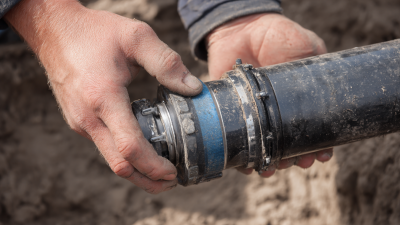
Top 10 Internal Sewer Pipe Repair Methods for Homeowners to Consider
When it comes to maintaining a home, one critical aspect that often gets overlooked is the condition of the internal sewer pipe system. Over time, pipes can succumb to wear and tear, leading to clogs, leaks, and even significant structural damage if not addressed promptly. Homeowners must be aware of the various internal sewer pipe repair methods available to them, as early intervention can save considerable time, effort, and expense.
In this article, we will explore the top 10 internal sewer pipe repair methods that homeowners should consider. From traditional techniques to modern advancements, these methods offer innovative solutions for restoring your sewer system's functionality. Whether dealing with simple clogs or extensive damages, understanding these options will empower homeowners to make informed decisions regarding their plumbing needs. By being proactive and knowledgeable, you can ensure your internal sewer pipe system remains in optimal condition for years to come.
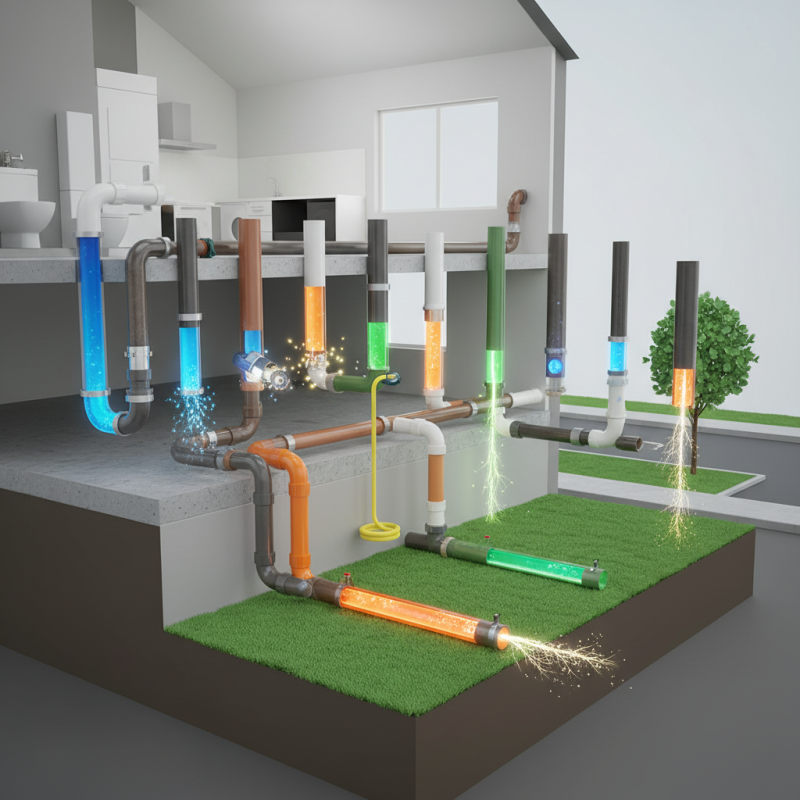
Overview of Internal Sewer Pipe Problems and Their Signs
Internal sewer pipe problems can lead to significant issues in a home if not addressed promptly. Common signs include unusually slow drains, gurgling sounds coming from pipes, and unexplained foul odors in various areas of the house. Homeowners might also notice damp spots or water stains on walls or ceilings, which can indicate leaks or blockages within the sewer system. These symptoms can be indicative of more severe issues like pipe corrosion, blockages due to debris buildup, or even root intrusion from nearby trees.
It's crucial for homeowners to recognize these signs early, as ignoring them can result in more extensive damage and costly repairs. Regular maintenance and vigilant observation of plumbing habits can help prevent serious sewer problems. By understanding the early warning signs, homeowners can avoid a small issue from becoming a major plumbing crisis, ensuring a healthier living environment and peace of mind.
Top 10 Internal Sewer Pipe Repair Methods for Homeowners to Consider
| Repair Method | Description | Signs of Problem | Pros | Cons |
|---|---|---|---|---|
| Trenchless Repair | A method that allows for the replacement of pipes without extensive digging. | Slow drainage, frequent clogs | Less invasive, quicker installation | Higher cost, requires specialized equipment |
| Pipe Relining | Involves placing a liner inside the existing pipe to seal cracks and leaks. | Water leakage, foul odors | Minimally disruptive, durable results | Possible pipe size reduction |
| Epoxy Pipe Coating | A resin-based coating applied to the inside of pipes to seal leaks. | Unusual noises, slow drainage | Cost-effective solution, eco-friendly | Shorter lifespan compared to replacement |
| Rooter Services | Mechanical cleaning method used to remove roots from pipes. | Frequent blockages, gurgling sounds | Immediate relief, quick process | Temporary fix, potential for future regrowth |
| Sewer Video Inspection | Using a camera to inspect the condition of the sewer system. | Unknown issues, persistent backups | Accurate diagnosis, prevention of further damage | Cost of inspection may be high |
| Hydro Jetting | High-pressure water used to clear stubborn blockages. | Slow drainage, backflow | Effective cleaning, prevents future clogs | Not suitable for all pipe types |
| Excavation | Traditional method of digging up and replacing damaged pipes. | Cracks, tree root intrusion | Complete pipe replacement | Highly invasive, disruption to landscaping |
| CIPP (Cured-in-Place Pipe) | Involves creating a new pipe within the old pipe using resin. | Leaks, cracks | Long-lasting, minimal excavation | More expensive than traditional methods |
| Sealants | Chemical sealants used to fill small cracks and leaks. | Wet spots in yard, mold growth | Quick and easy application | Not suitable for large damages |
| Replacement with PVC | Replacing old pipes with durable PVC material. | Frequent clogs, rust in older pipes | Long-lasting, resistant to corrosion | Labor-intensive installation |
Traditional Methods for Repairing Internal Sewer Pipes
When facing issues with internal sewer pipes, homeowners often turn to traditional repair methods that have stood the test of time. One common approach is pipe relining, where a resin-coated lining is inserted into the damaged pipe. This technique not only reinforces the existing structure but also creates a smooth interior that can help prevent future blockages. It's a minimally invasive method, requiring only a small access point to complete the repair, which significantly reduces overall disruption to the home.
Another traditional method is the use of pipe bursting, which involves breaking the old pipe apart while simultaneously installing a new one in its place. This method is particularly effective for severely damaged pipes and can restore functionality without the need for extensive excavation. In addition, augering is employed to remove blockages caused by tree roots or debris, using a specialized tool that penetrates into the pipes and clears the obstruction. These time-honored repair techniques provide reliable solutions for homeowners, ensuring the internal plumbing system remains functional and efficient.
Modern Solutions: Technological Advances in Pipe Repair
Modern advancements in technology have significantly transformed the field of internal sewer pipe repair, allowing homeowners to tackle plumbing issues more efficiently and with minimal disruption. Among the notable methods are trenchless repair techniques, which utilize specialized equipment to repair or replace damaged pipes without the need for extensive excavation. This approach not only reduces the cost associated with restoration but also preserves the landscape and existing structures, making it a preferred choice for many homeowners.
Another innovative method gaining popularity is the use of cured-in-place pipe (CIPP) lining. This technique involves inserting a flexible, resin-impregnated liner into the existing pipe, which is then inflated and cured to create a new, durable pipe within the old one. CIPP lining offers a quick solution to leaks and cracks, significantly extending the life of sewer pipes.
Additionally, cutting-edge inspection technologies, such as robotic cameras, allow professionals to assess the condition of pipes in real-time, leading to more accurate diagnoses and targeted repairs. These advancements are not only enhancing the efficiency of repairs but also providing homeowners with peace of mind in managing their plumbing systems.
DIY vs. Professional Help: Choosing the Right Approach
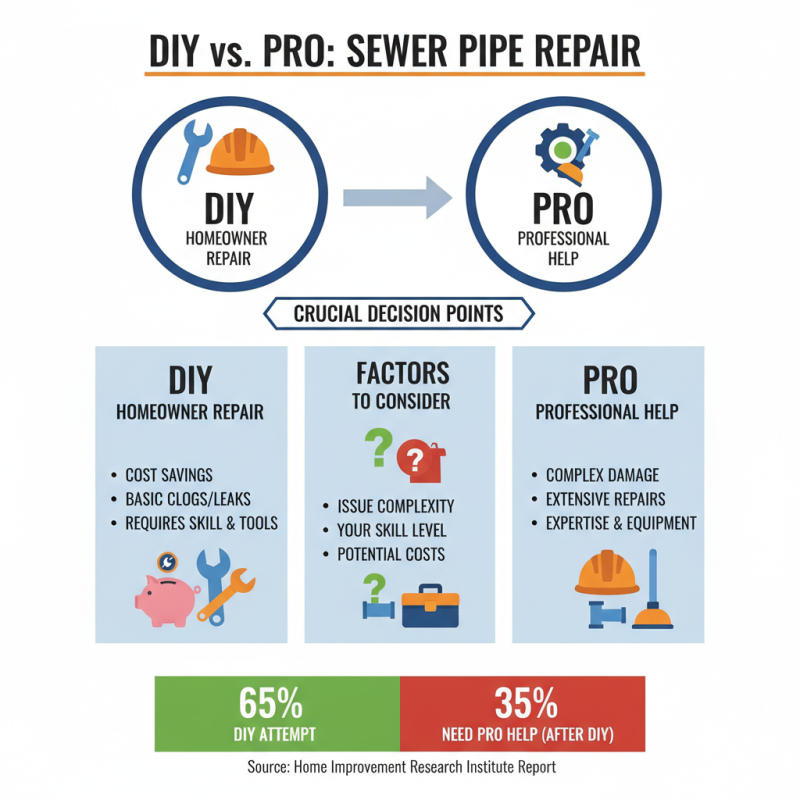
When it comes to repairing internal sewer pipes, homeowners face a crucial decision: should they undertake the project themselves or hire a professional? This choice hinges on various factors, including the complexity of the issue, the homeowner's skill level, and the potential costs involved. According to a report from the Home Improvement Research Institute, approximately 65% of homeowners attempt DIY home repairs, but nearly 35% of these projects require professional intervention due to the extent of damage or lack of expertise.
DIY methods for sewer pipe repair can be cost-effective and rewarding, particularly for smaller issues like minor leaks or clogs. Basic tools and materials, such as pipe sealants and augers, can often suffice for these tasks. However, significant problems, such as sewer line breaks or extensive corrosion, typically necessitate professional help. The National Association of Plumbing Inspectors estimates that improperly performed repairs can lead to an increase in overall repair costs by up to 50% when done incorrectly. Thus, while taking a DIY approach may save money initially, the long-term implications and potential for costly mistakes must be carefully considered.
Ultimately, the decision between DIY and professional help in sewer pipe repair should be grounded in a realistic assessment of the problem at hand. If a homeowner possesses the requisite skills and tools for minor repairs, DIY could be a viable option. However, for complex issues that could threaten the integrity of the home’s plumbing system, hiring a qualified professional is generally the safer and more effective route.
Preventive Measures to Reduce Future Sewer Pipe Issues
Preventive measures are crucial for homeowners looking to minimize future sewer pipe issues. Regular maintenance is the first line of defense. Scheduling annual inspections by professionals can help identify potential problems before they escalate, such as tree root intrusion or pipe corrosion. Homeowners should also consider implementing a routine cleaning schedule, utilizing methods such as hydro jetting, to clear out any buildup of debris or grease that can cause blockages.
Additionally, being mindful of what is disposed of down the drains plays a significant role in maintaining sewer pipe health. Avoid flushing non-biodegradable items or kitchen waste that can lead to clogs. Instead, compost biodegradable waste and use drain strainers to catch food particles. Lastly, investing in the right landscaping methods, such as planting trees away from sewer lines, can prevent root damage, which is a common cause of pipe issues. By adopting these preventive strategies, homeowners can help ensure the longevity and efficiency of their sewer systems.
Top 10 Internal Sewer Pipe Repair Methods
This chart illustrates the effectiveness of different internal sewer pipe repair methods based on homeowner preferences and preventive measures to reduce future issues.
Related Posts
-
2025 Top Solutions for Internal Pipe Repair: Innovations and Best Practices
-
Unlocking the Advantages of No Dig Sewer Repair for Modern Infrastructure
-
Transform Your Home: The Ultimate Guide to Digless Pipe Repair Techniques and Benefits
-
How to Successfully Perform No Dig Pipe Repair for Lasting Results
-
How to Effectively Repair Sleeve Pipes: A Step-by-Step Guide
-
How to Effectively Repair Internal Sewer Pipes: A Comprehensive Guide