2026 Top Benefits of Silica Aerogel Insulation for Buyers?
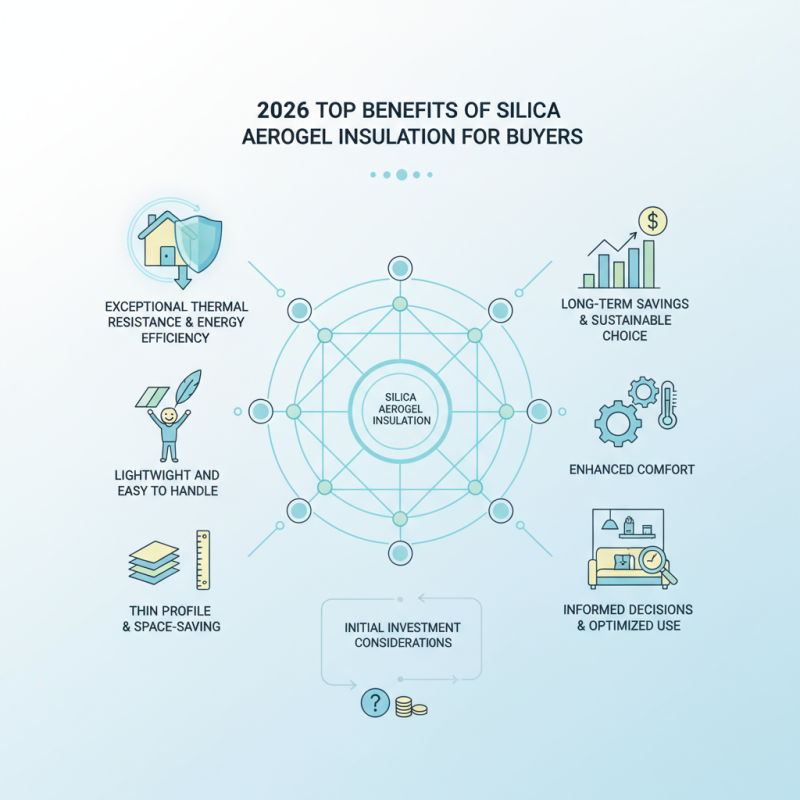
Silica Aerogel Insulation stands out in today's market due to its remarkable properties. This innovative material is known for its exceptional thermal resistance, making it a top choice for energy efficiency. Homeowners and contractors are increasingly turning to Silica Aerogel Insulation for a variety of applications.
As energy costs rise, insulation becomes critical. Silica Aerogel Insulation not only reduces energy bills but also enhances comfort. Its lightweight nature makes it easier to handle during installation. Buyers often notice its thin profile, which saves space without compromising effectiveness.
However, there are imperfections to consider. Some may find the initial investment higher than traditional materials. Yet, the long-term savings can lead to a more sustainable choice. Understanding these nuances is essential for making informed decisions. Overall, the benefits of Silica Aerogel Insulation are clear, yet personalized advice could help optimize its use in different projects.
Overview of Silica Aerogel and Its Properties
Silica aerogel is an innovative material known for its impressive insulating properties. Composed primarily of silica, it resembles frozen smoke and consists of up to 99.8% air. This unique structure provides extraordinary thermal insulation efficiency while remaining lightweight and non-toxic. Its low density makes it suitable for various applications, from building insulation to aerospace technology.
In construction, silica aerogel insulation can significantly reduce heat loss. It features a high R-value per inch, which means it offers superior performance compared to traditional materials. However, the manufacturing process can be energy-intensive and costly. Moreover, handling silica aerogel requires care; it can be fragile and dusty. Users must understand the balance between its benefits and limitations before use.
Another aspect to consider is its environmental impact. While silica itself is abundant, the production of aerogel may involve resource-intensive practices. Buyers should evaluate if the benefits justify the ecological footprint. Silica aerogel can revolutionize insulation, but awareness of its properties ensures informed purchasing decisions.
Energy Efficiency Benefits of Silica Aerogel Insulation
Silica aerogel insulation offers significant energy efficiency benefits that are becoming increasingly recognized in various sectors. This material boasts a low thermal conductivity, often as low as 0.013 W/m·K. For homeowners, this means reduced energy consumption for heating and cooling. Simple calculations indicate that improving insulation can cut energy bills by 20% to 30%. The performance of silica aerogel outshines traditional insulators while occupying less space.
Additionally, its lightweight nature allows for easier handling and installation. A 2019 report from the Department of Energy highlights that using aerogel can lead to a 50% reduction in material weight compared to conventional insulation options. This aspect not only simplifies the installation process but also reduces structural load considerations in building designs.
However, some challenges remain. The higher initial cost can deter buyers. While silica aerogel saves energy in the long run, upfront expenses may require thorough assessment. Evaluating the cost-benefit ratio is crucial. The environmental impact of materials used in production also calls for reflection. Adopting silica aerogel requires careful consideration of its lifecycle and sustainability practices.
Applications of Silica Aerogel in Different Industries
Silica aerogel has gained attention across various industries for its unique properties. This lightweight material, renowned for its thermal insulation capabilities, is finding applications in construction, aerospace, and even consumer products. Its ability to resist heat transfer makes it an ideal choice for enhancing energy efficiency in buildings. Silica aerogel windows can help reduce heating and cooling costs significantly.
In aerospace, silica aerogel is used for insulation in spacecraft and satellites. The extreme conditions of outer space require materials that can handle diverse temperatures. Silica aerogel not only insulates effectively but also adds minimal weight to structures. This combination of properties contributes to improved fuel efficiency during flight.
Tip: Consider the application requirements when choosing insulation materials. Not all silica aerogels are the same; their effectiveness may vary based on formulation and intended use.
The realm of consumer products has also embraced silica aerogel. From lightweight jackets to innovative packaging solutions, its versatility is impressive. Brands experiment with its adaptability to create products that stand out in performance. Think about how this material could benefit your projects.
Tip: Explore multiple suppliers for silica aerogel. Quality and formulation can significantly impact your project's success and durability.
Cost Comparison of Silica Aerogel vs. Traditional Insulation Materials
When considering insulation options, a cost comparison is essential. Silica aerogel, known for its high performance, can require more upfront investment than traditional materials like fiberglass or foam. However, its superior energy efficiency can lead to significant savings in energy bills over time. Conventional insulation methods often sacrifice space for effectiveness, whereas aerogel is incredibly lightweight and compact.
One tip is to calculate the long-term savings. While initial costs may be high, lower energy consumption could offset those expenses. Assess the insulation needs of your space carefully. Different climates may require varying insulation solutions, and using silica aerogel might make more sense in extreme conditions.
Another important aspect is installation costs. Traditional materials can be easier to handle and apply, leading to lower labor expenses. Aerogel, on the other hand, might need specialized installation techniques. Ensure to get quotes from professionals who understand silica aerogel's requirements. This can help you gauge whether the benefits justify the investment.
Environmental Impact and Sustainability of Silica Aerogel Insulation
The environmental impact of silica aerogel insulation is an essential aspect for potential buyers. This unique material is known for its high thermal performance. As reported by the Department of Energy, silica aerogel can reduce energy loss by up to 90%. This leads to significant energy savings in both residential and commercial buildings. Moreover, its lightweight nature means less impact during transportation and installation.
Silica aerogel is made from eco-friendly silica, a natural component of sand. This composition makes it non-toxic and safe for use in various applications. Recent life-cycle assessments highlighted that aerogels have a lower carbon footprint compared to traditional insulation materials. However, producing aerogel requires energy. While the initial energy expenditure might be higher, the long-term savings on heating and cooling can offset this.
Sustainability goes beyond production. The durability of silica aerogel ensures a long lifespan, reducing waste over time. However, the challenge lies in the recyclability of aerogels once they reach the end of their life cycle. Researchers are exploring innovative methods to recycle aerogel, but many issues remain unresolved. Continuing to address these challenges is crucial for making silica aerogel a truly sustainable choice.
2026 Top Benefits of Silica Aerogel Insulation for Buyers
| Benefit | Description | Environmental Impact | Sustainability |
| High Thermal Insulation | Silica aerogel provides superior thermal resistance compared to traditional insulation materials. | Reduces energy consumption, lowering greenhouse gas emissions from heating and cooling systems. | Made from abundant natural materials, promoting a circular economy. |
| Lightweight | Weighs significantly less than traditional insulations, reducing structural load. | Lower transport emissions due to reduced weight during shipping and handling. | Long lifespan reduces the need for frequent replacements, minimizing waste. |
| Fire Resistance | Inherently non-combustible material providing safety in buildings. | Lower risk of fire incidents can prevent environmental disasters. | Durable and safe, contributing to long-term building sustainability. |
| Moisture Resistance | Does not degrade in high moisture environments, maintaining performance. | Helps prevent mold growth and indoor air quality issues. | Long-lasting performance minimizes the need for chemical treatments. |
| Versatility | Can be used in various applications, from residential to industrial. | Adaptable solutions can fit different environmental needs. | Facilitates energy-efficient building designs across sectors. |