Essential Tips for Choosing a Personal Elevator Lift for Your Home?
Choosing a Personal Elevator Lift for your home is a significant decision. With so many options available, it can be overwhelming. According to John Sterling, a leading expert in home accessibility, "A personal elevator lift should not only blend with your home's design but also enhance your lifestyle." His insight captures the essence of what many homeowners seek—functionality and elegance.
When considering a personal elevator lift, safety and comfort are paramount. Evaluating your space is crucial. While some may prefer sleek designs, others might focus on practicality. Ensure you understand the specifications and requirements of various models. Each lift has unique features that cater to different needs. Reflect on your home’s layout and your mobility needs for the best fit.
Selecting the right lift also involves cost considerations and installation challenges. Not everything that looks good works well in your home. Brands vary widely in reliability and performance. Researching and consulting with professionals can provide clarity. Finding the ideal personal elevator lift can transform your living experience, making daily routines easier and more enjoyable.
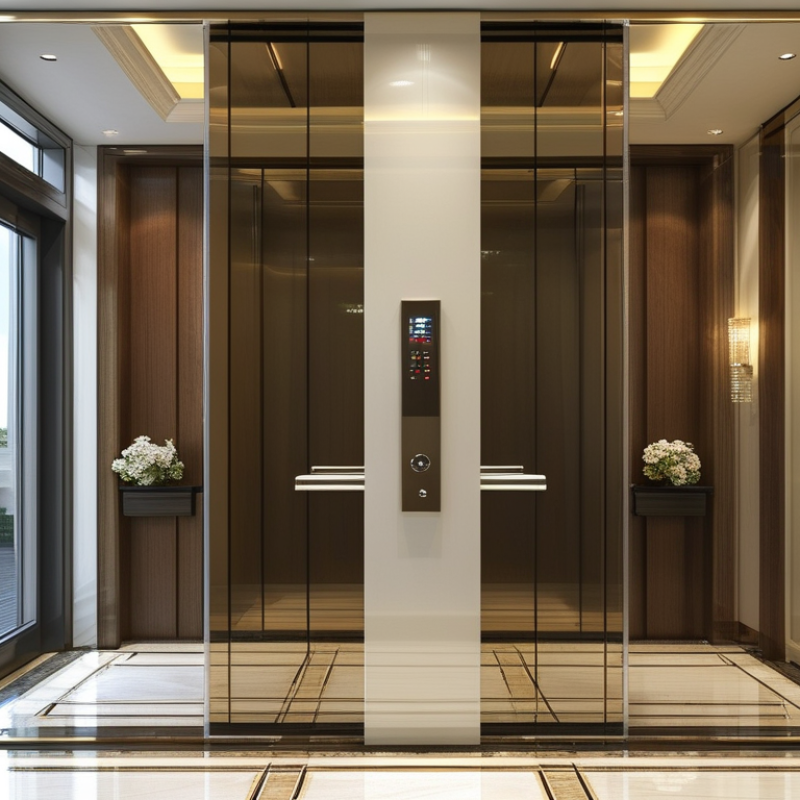
Understanding the Different Types of Home Elevator Lifts
When choosing a home elevator lift, understanding the types available is crucial. Residential elevator lifts mainly fall into three categories: hydraulic, pneumatic, and winding drum systems. Hydraulic lifts utilize a fluid-driven piston to move the cabin. They require a machine room, making installation more complex but often quieter during operation.
Pneumatic lifts operate on a vacuum system. They are compact and don’t need a machine room, making them suitable for smaller spaces. However, they may have a limited weight capacity compared to hydraulic units. Winding drum systems involve a motorized drum and cables to move the lift. These can be more economical but could sometimes lack the smooth ride of hydraulic elevators.
While considering these options, reflect on your home’s layout. A lift that fits well in a spacious home might not work in a smaller one. You might find hydraulic lifts less suitable if your home lacks space for a machine room. Balancing your needs with the specifications of each type is essential for making a wise choice. Understanding these differences emphasizes the importance of research and consideration in this significant investment.
Essential Tips for Choosing a Personal Elevator Lift for Your Home
| Feature | Description | Considerations |
| Space Requirements | Determine available space for installation; consider both the shaft and cabin dimensions. | Ensure enough clearance for the elevator and any obstructions. |
| Type of Elevator | Choices include hydraulic, traction, and pneumatic elevators. | Consider the benefits and limitations of each type in terms of noise, speed, and energy efficiency. |
| Weight Capacity | Varies by model; essential to choose one that accommodates expected load. | Account for the maximum number of occupants and any assistive devices. |
| Energy Efficiency | Look for models with energy-efficient features and lower power consumption. | Consider long-term operating costs versus initial investment. |
| Safety Features | Include emergency brakes, door locks, and backup power systems. | Verify compliance with safety standards and local codes. |
| Aesthetics | Choose a design and materials that complement your home's interior. | Finalize style preferences before installation to ensure satisfaction. |
| Maintenance Requirements | Regular maintenance is crucial for safety and longevity. | Check service agreements and availability of parts and service providers. |
Assessing Your Space Requirements for a Personal Elevator
When selecting a personal elevator lift for your home, spatial requirements are crucial. Assess the dimensions of the elevator. Consider how much space you can allocate. This assessment will guide your choice in lift size, design, and functionality. Measure doorways, ceiling heights, and hallway widths. These measurements determine the feasibility of installation.
Consider how the elevator will fit into your home. Will it blend with your current decor? Evaluate the flow of movement within your living space. An awkwardly placed elevator may disrupt daily activities. Additionally, think about future needs. Will your family grow? Your lift should accommodate not just current but also anticipated requirements.
Creating a budget is essential. Prices vary significantly based on design and features. Remember that maintenance costs can add up over time. Opting for a simpler design might save money initially, but could require more frequent upkeep. Choosing the right elevator is about practicality and lasting comfort in your home.
Evaluating Safety Features and Compliance Standards
When selecting a personal elevator lift, it's crucial to focus on safety features and compliance standards. Seamless integration into your home should not compromise your peace of mind. The National Elevator Industry, Inc. reports that approximately 30% of elevator accidents stem from improper maintenance or lack of safety features. Selecting a lift that adheres to rigorous safety norms is essential. Look for models certified by relevant safety organizations. This can ensure that the lift meets established hazard prevention guidelines.
Evaluate emergency systems carefully. Many lifts offer backup power options, enabling operation during an outage. A proper alarm system is also vital. According to a study by the Lift and Escalator Industry Association, nearly 20% of accidents occur because users cannot communicate during emergencies. It's not just about convenience; attention to such details significantly impacts user safety.
Compliance with local building codes is paramount. These regulations often dictate the required specifications for residential elevators. Ensure that your chosen model meets or exceeds these standards. Industry data indicates that lifts installed without adherence to these codes have a higher risk of malfunctions. Investing time in understanding these factors will reflect your commitment to safety and reliability in your home.
Budgeting for Purchase, Installation, and Maintenance Costs
When budgeting for a personal elevator lift, consider the purchase price as just the beginning. Various factors influence the overall cost. Installation fees can vary greatly depending on your home’s structure. Are you retrofitting an existing space or building new? This decision can significantly impact your budget.
Maintenance costs should also be taken into account. Regular servicing is essential for safety and longevity. Some homeowners underestimate these costs. A lack of proactive maintenance can lead to expensive repairs down the line. Set aside a percentage of the initial investment for future care.
Don’t forget to factor in electrical work and potential renovations. These can add to the total expenditure. Always get multiple estimates from contractors to avoid surprises. Researching local costs can provide more clarity. Be prepared for unexpected expenses, especially if your home requires special modifications. This project demands thorough planning and realistic expectations to ensure a successful installation.
Choosing the Right Manufacturer and Service Provider
When selecting a personal elevator for your home, the choice of manufacturer and service provider is critical. A recent industry report indicates that nearly 30% of homeowners encounter significant service issues related to installation and maintenance. This emphasizes the necessity of collaborating with a reliable company. Researching potential manufacturers involves looking into their experience and customer satisfaction ratings. You’ll want a provider that has successfully handled installations similar to what you are considering.
Inspect the provider's certifications and endorsements. A reputable manufacturer should have verifiable industry accreditations, ensuring they meet safety and quality standards. Statistics show that about 40% of elevator failures relate to faulty installations, highlighting the importance of skilled service providers. Gathering reviews and testimonials can help establish the credibility of companies in your area. It can be insightful to speak directly with past clients about their experiences.
Even with thorough research, not every installation will go perfectly. There may be unexpected challenges. A company that offers robust after-sales support is invaluable. Prompt responsiveness to issues can greatly affect your satisfaction. Remember, a personal elevator is a long-term investment, and ensuring you select the right partners can lead to a smoother journey. Prioritizing reliability in your choice offers peace of mind as you enhance your home.