What is a Stainless Tube Mill and its Benefits for Buyers?
Stainless Tube Mills are specialized equipment used for manufacturing stainless steel tubes. They play a crucial role in various industries, from automotive to construction. These mills create tubes that have high strength and corrosion resistance, making them essential for many applications.
Investing in Stainless Tube Mills presents several benefits for buyers. Firstly, they ensure precise production with consistent quality. This reliability can enhance operational efficiency, leading to cost savings in the long run. Furthermore, the versatility of these mills allows for the creation of various tube sizes and shapes, catering to diverse market needs.
While Stainless Tube Mills offer numerous advantages, potential buyers must consider some challenges. The initial investment can be substantial. Maintenance requirements should also be assessed. Understanding these aspects is vital for making an informed decision. Overall, the benefits often outweigh the drawbacks, positioning Stainless Tube Mills as a valuable asset for many businesses.
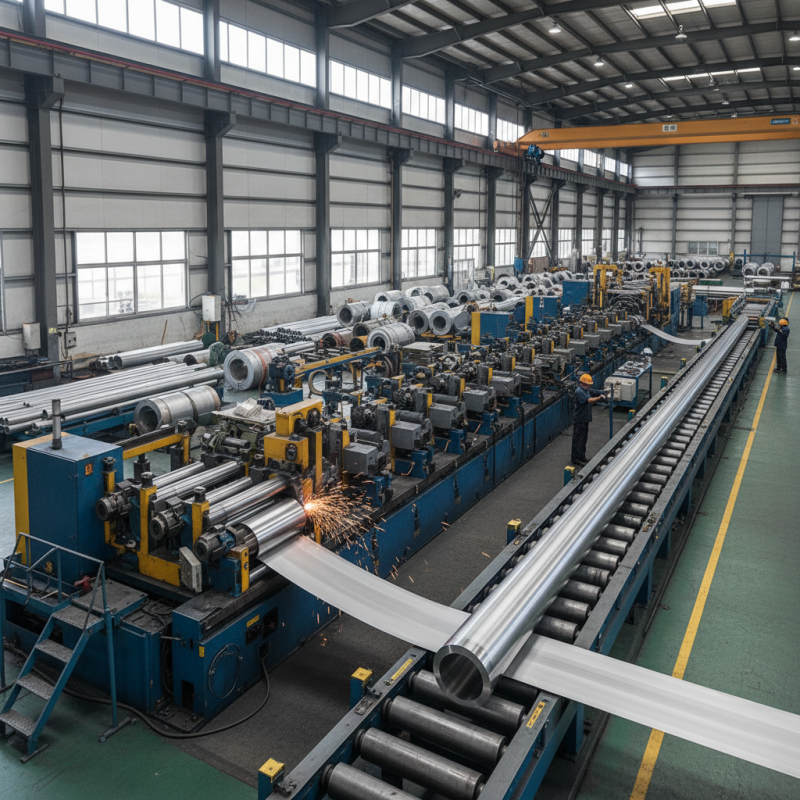
What is a Stainless Tube Mill?
A stainless tube mill is a vital facility in various industries, particularly in the construction and manufacturing sectors. This specialized mill fabricates stainless steel tubes through a series of processes, including cutting, forming, welding, and finishing. Steel tubes produced can range from small diameters to large ones, catering to diverse applications. According to a report by the World Steel Association, the global market for stainless steel is projected to reach around 60 million tons by 2025, indicating robust demand.
One of the distinct advantages of a stainless tube mill is its ability to produce high-quality, corrosion-resistant tubes. Stainless steel’s unique properties make it ideal for environments exposed to moisture or chemicals. For example, the food and beverage industry often relies on stainless tubes due to their sanitary qualities. Additionally, reports suggest that stainless steel can have a lifespan of over 50 years with proper maintenance, making it a cost-effective choice in the long run.
However, setting up a stainless tube mill requires significant capital investment and expertise. Not all manufacturers achieve uniform quality, leading to variations in tube strength and finish. This variability is crucial for businesses seeking reliable suppliers. Buyers must assess the mill's capabilities, production methods, and quality control measures. Ultimately, understanding these dynamics can help buyers make informed decisions in selecting a suitable stainless tube supplier.
Stainless Tube Mill Production Efficiency
This chart illustrates the efficiency of stainless tube mills in producing various sizes of stainless tubes. The data represents production rates measured in meters per hour across different tube diameters.
Overview of the Manufacturing Process in Stainless Tube Mills
The manufacturing process in stainless tube mills is intricate and highly specialized. It begins with raw materials, typically stainless steel coils. These coils undergo welding and various forming techniques to shape them into tubes. The welding process is crucial; electric resistance welding (ERW) is commonly used. This method ensures precise and efficient bonding of the metal. Recent industry reports indicate that ERW technology has enhanced productivity by up to 30%.
Once formed, tubes undergo critical quality checks. The mills use non-destructive testing methods to detect any flaws. This includes eddy current testing and ultrasonic testing, ensuring high product reliability. According to the American Society for Testing and Materials (ASTM), the quality of stainless steel tubes can significantly impact their performance across various applications, from construction to automotive.
The final stages include sizing and surface treatment. Sizing mills help achieve the desired dimensions. Surface treatments like pickling polish the tubes, enhancing corrosion resistance. A report from the Stainless Steel Industry Association highlights a growing demand for these high-quality tubes, as industries recognize their long-term value and durability. However, buyers should remain vigilant about fluctuating steel prices, which can affect production costs. Understanding these manufacturing intricacies helps buyers make informed decisions in selecting stainless tubes for their needs.
Key Benefits of Stainless Tube Mills for Buyers
Stainless tube mills offer several key benefits to buyers. These specialized manufacturing facilities produce stainless steel tubes with precision. The advanced technology allows for consistent quality and dimensions. Buyers can rely on these mills for durable and high-performance products.
One major advantage is the wide range of applications. Stainless tubes are essential in automotive, aerospace, and medical fields. Their corrosion resistance ensures longevity, which is crucial for industries where safety is paramount. Moreover, the flexibility in production allows buyers to obtain customized solutions tailored to specific needs.
However, buyers should also consider production efficiency and costs. While the initial investment in high-quality stainless tube mills can be significant, the long-term benefits often outweigh these expenses. It's important to assess the trade-offs between quality and price. Thoughtful reflection on these factors can lead to better procurement decisions in the future.
Applications of Stainless Steel Tubes in Various Industries
Stainless steel tubes are essential in various industries due to their unique properties. They resist corrosion, which makes them ideal for applications in harsh environments. The food and beverage industry relies heavily on these tubes. They ensure hygiene and prevent contamination in processing and storage.
In the automotive sector, stainless steel tubes provide strength and durability. Manufacturers use them for exhaust systems and fuel lines. Their ability to withstand high temperatures is crucial. In construction, they deliver structural support while maintaining aesthetic appeal. Designers appreciate their sleek appearance and resistance to rust.
Despite their advantages, choosing the right stainless steel tube can be challenging. The market offers a variety of grades and finishes, which can be overwhelming. Buyers may struggle to find the optimal solution for their specific needs. Understanding the material properties and applications is crucial for informed decisions.
What is a Stainless Tube Mill and its Benefits for Buyers? - Applications of Stainless Steel Tubes in Various Industries
| Dimension | Description | Benefits | Applications |
| Diameter | Range from 1/2" to 16" | Versatility for various applications | Construction, HVAC |
| Thickness | 0.020" to 0.250" | Strength and durability | Oil & gas, Food processing |
| Material | 304, 316 stainless steel | Corrosion resistance | Pharmaceuticals, Chemical manufacturing |
| Finish | Polished, mill finish | Aesthetic appeal | Decorative, Architecture |
| Length | Standard lengths of 20' and 40' | Ease of transport and installation | Transportation, Energy |
Factors to Consider When Choosing a Stainless Tube Mill Supplier
When selecting a stainless tube mill supplier, specific factors should be prioritized to ensure a successful partnership. Experience in the industry is paramount. A supplier with a track record of 10 years in stainless manufacturing generally shows reliability. Additionally, look for suppliers who utilize advanced technologies. Incorporating automation and precision machinery can significantly enhance production efficiency.
Quality certifications play a crucial role in supplier selection. Ensure the supplier meets established standards such as ISO 9001. This certification indicates adherence to quality management systems. According to industry reports, 75% of buyers emphasize the importance of certifications. Transparency in supply chain practices is equally important. A trustworthy supplier should provide complete traceability of raw materials used.
Lastly, pricing should reflect the quality offered. While it may be tempting to choose the lowest cost options, consider the long-term value. A lower price might indicate compromised quality. The stainless tube mill industry has shown that investing in quality products results in lower maintenance costs. Reflect on these elements carefully when making a choice.