Why Is Pipe Sleeve Repair Essential for Efficient Pipeline Maintenance?
Effective pipeline maintenance is critical for ensuring the longevity and functionality of any fluid transport system. As highlighted by industry expert Dr. John Thompson, "pipe sleeve repair can significantly extend the life of aging pipelines." This technique allows for quick and efficient repairs, minimizing downtime and reducing costs associated with full replacements.
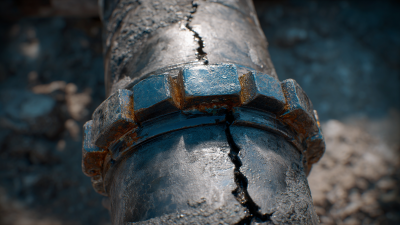
Pipeline systems are often prone to wear and tear. Corrosion, leaks, and other forms of damage can impact performance. Pipe sleeve repair addresses these issues by providing a durable, protective layer over the affected areas. This solution not only restores integrity but also enhances overall efficiency.
Despite its advantages, the application of pipe sleeve repair is sometimes underestimated. Many operators overlook minor damages until they escalate into major problems. This mindset can lead to significant operational disruptions. By embracing proactive maintenance strategies, including pipe sleeve repair, industry players can better manage potential threats and ensure their systems remain reliable and efficient.
Importance of Pipe Sleeve Repair in Pipeline Integrity
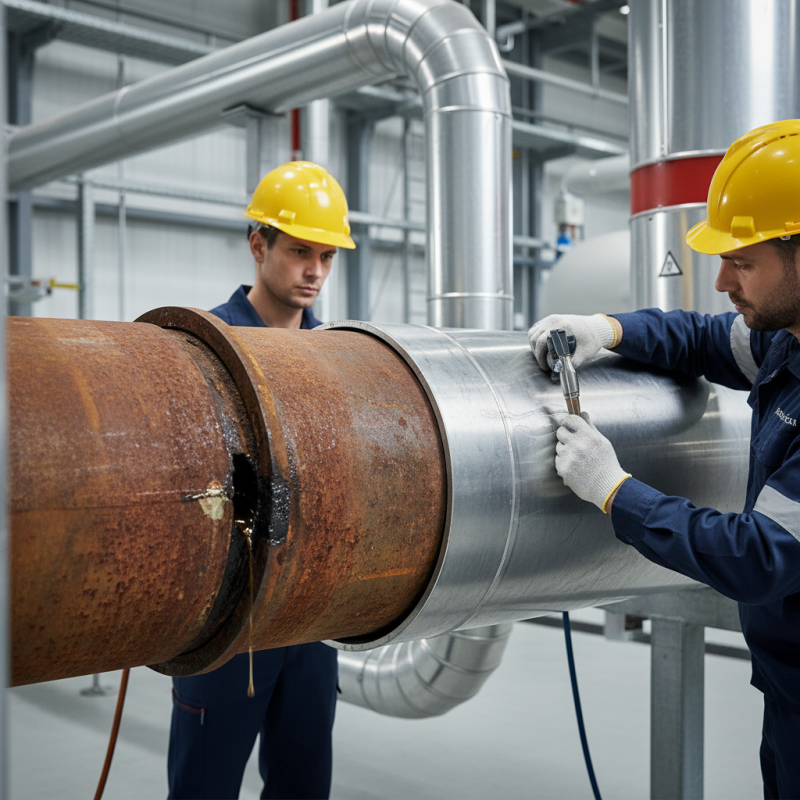
Pipe sleeve repair plays a crucial role in maintaining pipeline integrity. Pipelines are essential for transporting liquids and gases safely. Over time, wear and tear can lead to leaks and compromises in structural integrity. This is where pipe sleeve repairs come in. They provide a quick, effective solution to these issues.
When considering pipeline maintenance, it is essential to address any signs of damage swiftly. Evidence of corrosion or wear can be indicative of larger problems. A timely repair can prevent costly outages. It strengthens existing infrastructure and prolongs its life expectancy.
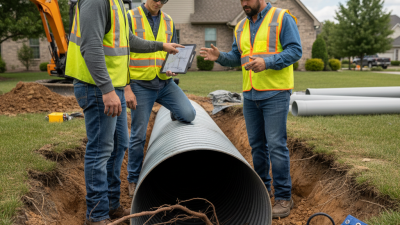
Tips for effective maintenance include regular inspections and monitoring. Consistent evaluation of pipeline conditions aids in early detection. Train personnel on identifying issues before they escalate. Remember that small leaks can lead to significant complications. Addressing them early saves time and money in the long run. Consider creating a routine maintenance schedule to ensure pipelines remain in optimal condition.
Common Causes of Pipeline Damage That Necessitate Sleeve Repairs
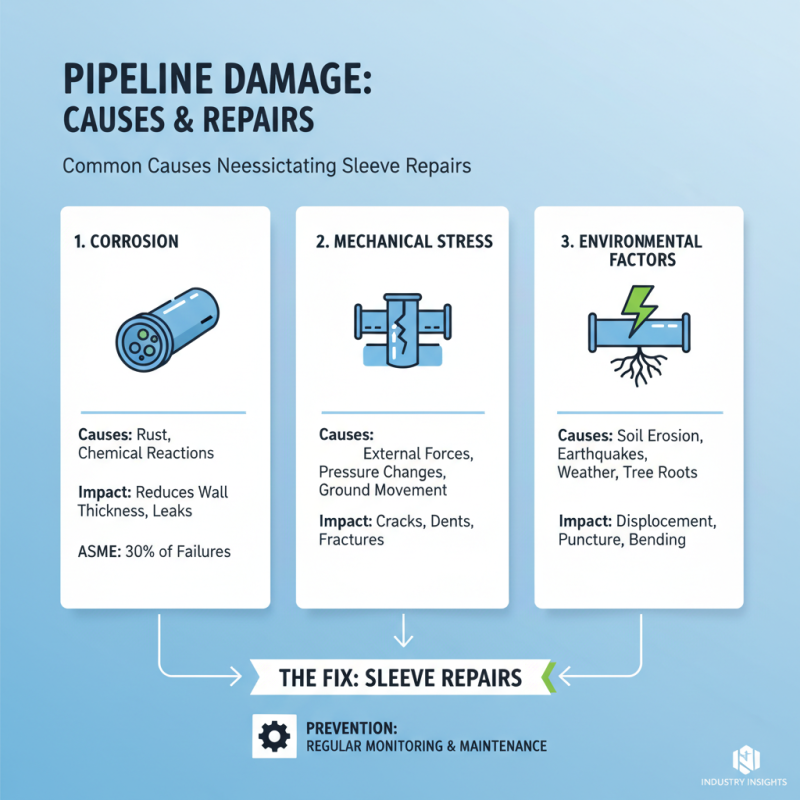
Pipeline infrastructure is vital for various industries, but it often faces damage. Common causes include corrosion, mechanical stress, and environmental factors. According to a study by the American Society of Mechanical Engineers (ASME), about 30% of pipeline failures stem from corrosion. Regular monitoring is essential to identify early signs of wear.
Mechanical stress is another significant factor impacting pipelines. External pressures, such as shifting soil or seismic activity, can create weaknesses. The National Pipeline Mapping System reported that nearly 25% of pipeline incidents resulted from such stress. Repair methods, like pipe sleeves, act as a crucial solution. They provide reinforcement and restore pipeline integrity without the need for complete replacement.
Environmental factors also play a role. Temperature fluctuations may cause expansion and contraction in materials. A comprehensive report by the Pipeline and Hazardous Materials Safety Administration (PHMSA) indicated that extreme weather events can increase failure rates by up to 15%. Addressing these challenges with effective sleeve repairs ensures that pipelines remain functional and safe, ultimately minimizing downtime.
Step-by-Step Process of Implementing Pipe Sleeve Repairs
Pipe sleeve repairs play a crucial role in maintaining pipeline efficiency and integrity. The process begins with a thorough assessment of the damaged section. This usually involves pressure testing and visual inspections to determine the extent of the damage. According to industry reports, over 30% of pipeline failures are due to corrosion or external forces. Early detection can save substantial costs and reduce downtime.
Once damage is assessed, the next step is surface preparation. This involves cleaning the damaged area to ensure proper adhesion of the pipe sleeve. Studies show that inadequate surface preparation can reduce the effectiveness of the repair by up to 50%. After the surface is prepared, the pipe sleeve is applied, along with a curing agent. This step requires precision, as improper application can lead to leaks or failures later on.
Finally, testing is critical to ensure the integrity of the repair. After installation, pressure testing and monitoring are conducted to confirm that the sleeve holds under operational conditions. Industry standards recommend re-evaluation within a year. Information from regulatory bodies states that consistent monitoring can enhance pipeline lifespan by over 20%. Ignoring these steps could jeopardize efficiency and safety.
Pipeline Sleeve Repair Efficiency Over Time
Benefits of Timely Pipe Sleeve Repairs for Long-Term Efficiency
Timely pipe sleeve repairs are vital for maintaining pipeline efficiency. When pipelines operate under stress, they can develop leaks or weaknesses. Ignoring these issues can lead to larger problems, such as increased downtime or costly repairs. Efficient repairs help maintain a steady flow and prevent further damage. Moreover, a well-maintained pipeline system operates effectively and ensures safety.
Regular inspection and timely repairs also enhance the lifespan of the pipeline. Operators can monitor corrosion or wear before they escalate. Investing time in repairs can save resources down the line. Failure to do so can lead to unexpected failures. Addressing small issues promptly creates a reliable long-term solution. However, some operators delay repairs, thinking minor issues will resolve on their own.
The long-term benefits of pipe sleeve repairs are undeniable. They preserve the integrity of the entire pipeline system. Additionally, timely repairs contribute to compliance with safety regulations. If operators remain proactive, they foster a culture of efficiency and safety. Implementing routine checks and repairs leads to peace of mind for all stakeholders involved.
Why Is Pipe Sleeve Repair Essential for Efficient Pipeline Maintenance? - Benefits of Timely Pipe Sleeve Repairs for Long-Term Efficiency
| Repair Aspect |
Description |
Benefits |
| Cost Efficiency |
Minimizes the need for extensive repairs by addressing issues early. |
Saves on labor and material costs over time. |
| Safety Compliance |
Ensures pipelines meet safety regulations and standards. |
Reduces risk of accidents and liabilities. |
| Increased Lifespan |
Extends the life of the pipeline system through preventative measures. |
Delays the need for complete replacements. |
| Operational Efficiency |
Improves flow rates and reduces the risk of blockages. |
Enhances overall productivity and service delivery. |
| Environmental Protection |
Minimizes leaks and spills that can harm the environment. |
Promotes sustainability and compliance with environmental regulations. |
Best Practices for Maintaining Pipeline Systems to Minimize Repairs
Pipeline systems are crucial for transporting various substances efficiently. Regular maintenance can significantly extend their lifespan and reduce the need for repairs. According to the American Society of Civil Engineers, approximately 30% of pipeline failures stem from inadequate maintenance. Investing in preventive measures can lead to substantial long-term cost savings.
One critical aspect of maintenance is using pipe sleeves for repairs. They provide a reliable solution to address weaknesses and extend the service life of problematic sections. Research shows that properly installed pipe sleeves can restore up to 90% of the original strength of the pipe. However, relying solely on temporary fixes can result in unexpected failures. Regular inspections and timely interventions are essential.
Tips:
- Schedule frequent inspections to identify potential issues early.
- Train staff on the latest maintenance techniques to ensure proper handling.
- Document all maintenance activities to analyze trends over time.
Staying proactive with pipeline management is essential. Ignoring minor leaks or corrosion can lead to significant structural damage. Reliable data indicates that up to 25% of pipeline repairs could be avoided with a robust maintenance plan. Focusing on continual assessment and using effective repair solutions ensures safety and efficiency in operations.