What is No Dig Sewer Line Repair and How Does it Work?
No dig sewer line repair is a revolutionary method in plumbing. It allows for the repair of damaged sewer lines without extensive digging. This innovative technique minimizes disruption to your property and reduces the time spent on repairs.
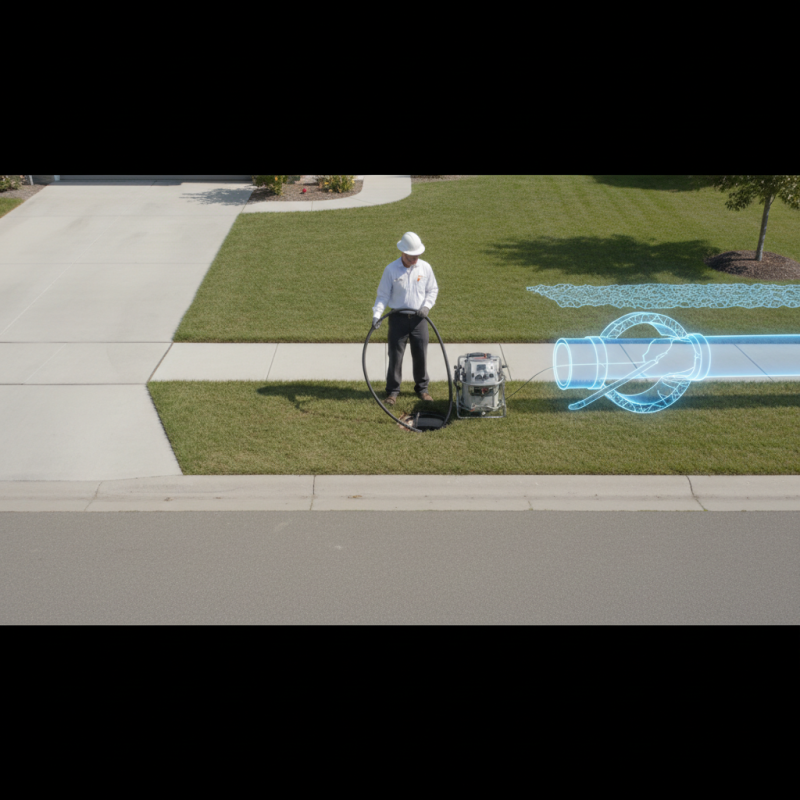
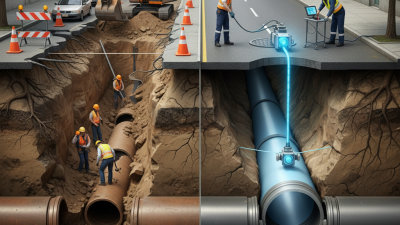
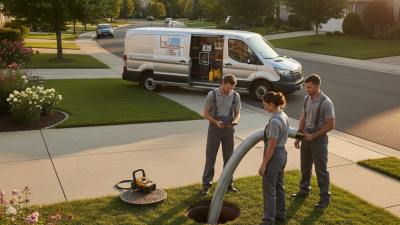
Traditional sewer repairs can be a nightmare. They often involve tearing up lawns, driveways, or sidewalks. With no dig sewer line repair, the process is significantly cleaner and quicker. Technicians use specialized equipment to inspect and repair the sewer lines from within. This can save you money and restore your plumbing efficiently.
However, not all situations may be suited for this technique. Some issues require thorough excavation. There are times when opting for traditional repair methods could be more effective. Evaluating the right approach is essential. No dig sewer line repair offers clear advantages, but there is no one-size-fits-all solution in plumbing.
What is No Dig Sewer Line Repair and Its Importance in Modern Plumbing?
No Dig Sewer Line Repair is revolutionizing modern plumbing. This method minimizes disruptions. Traditional repair often involves digging trenches, which can damage landscaping and require extensive restoration work. With No Dig techniques, access to pipelines happens without invasive digging.
The importance of this approach is clear. Homeowners save on costly landscaping repairs. Time and labor are significantly reduced. The process often involves inserting a new pipe into the existing one. This trenchless technology can solve issues quickly.
It's not always perfect; some situations require more attention. Existing pipes may still need assessment. Blockages must be thoroughly cleared beforehand. Regular maintenance remains essential for long-term performance. No Dig Sewer Line Repair offers a modern solution, yet challenges exist. Users must remain mindful of these factors.
Key Technologies Used in No Dig Sewer Line Repair: Overview and Applications
No dig sewer line repair is gaining popularity due to its efficiency. This method allows for repairs without extensive digging. As a result, landscaping and driveways remain intact. The technology reduces the time and cost of repairs. Homeowners appreciate the minimal disruption to their lives.
Key technologies in no dig repair include
trenchless technology and
pipe bursting.
Trenchless methods involve inserting a new pipe into the old one. This process can repair leaks and cracks. Pipe bursting, on the other hand, breaks the old pipe while pushing a new one through. It's essential to assess soil conditions before choosing the method. Each situation may require a unique solution.
Challenges can arise, like the
compatibility of materials. Sometimes, existing pipes may complicate the installation process. Not every sewer line is suitable for trenchless methods. Professional assessment is crucial. Proper planning leads to successful repairs. Consideration of these factors makes a difference in the overall success of the repair.
Cost-Effectiveness of No Dig Sewer Repairs Compared to Traditional Methods
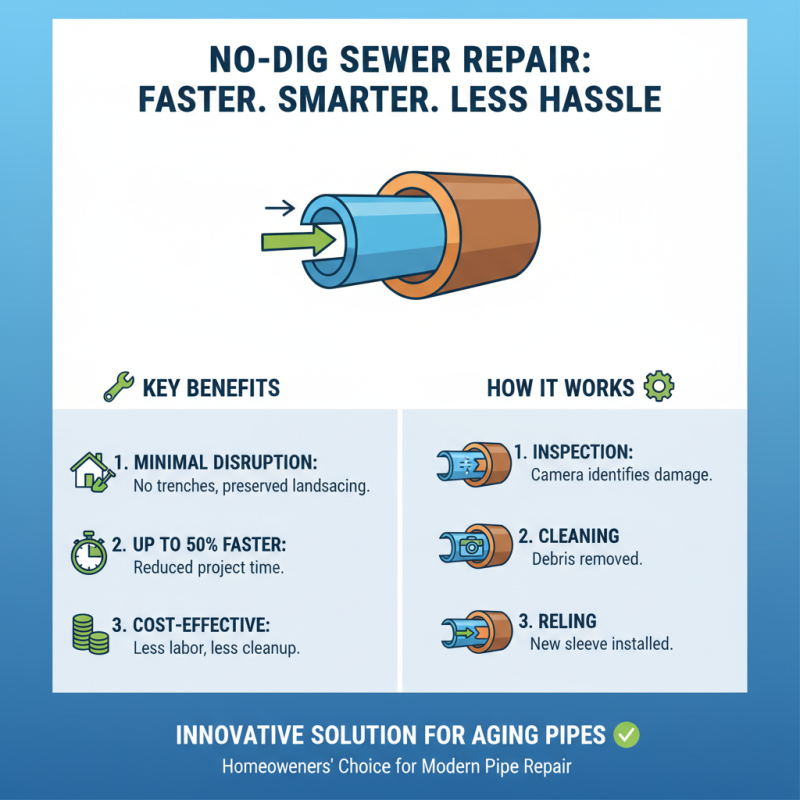
No dig sewer line repair is gaining traction. It offers an innovative solution for aging pipes and extensive damage without disruptive excavation. Homeowners are increasingly drawn to this method. Recent studies show that no dig repairs can be up to 50% faster than traditional digging approaches. This speed reduces the hassle for property owners and minimizes disruption to their daily lives.
Cost-effectiveness is a major factor when choosing repair methods. According to industry reports, traditional pipe replacement can run upwards of $100 per linear foot. In contrast, no dig methods often cost between $50 to $80 per linear foot. This substantial saving is appealing, especially when unforeseen expenses arise from extensive digging. However, the initial investment in the technology used for no dig repairs can be significant. These repairs may also require specialized labor, which can result in increased costs.
While no dig solutions present advantages, not every situation may benefit equally. Some pipe conditions may call for traditional methods. Property owners should weigh the pros and cons. A detailed assessment may be necessary. Choosing the right repair method depends on individual circumstances. It's crucial to consider both immediate and long-term implications for sewer line repair decisions.
Success Rates and Long-Term Durability of No Dig Repair Techniques
No dig sewer line repair has gained popularity due to its efficiency. This method uses advanced technologies to fix pipelines without extensive excavation. It offers a practical solution for many homeowners facing sewer issues. Cameras identify the problem areas, allowing technicians to implement repairs directly.
Success rates for no dig techniques are impressively high. Many projects report satisfaction among homeowners. The method minimizes disruption, saving time and costs. However, some challenges remain. Certain soil conditions can complicate repairs. The durability of materials used in these repairs warrants consideration. Long-term reliability can vary based on several factors.
Repair techniques should be chosen carefully. Homeowners must consider local conditions and the severity of the damage. Sometimes, traditional methods may still be the best choice. Communication with professionals is crucial. Open discussions about the expected lifespan of repairs can lead to better decisions.
Environmental Impact of No Dig Sewer Repairs: Benefits and Considerations
No Dig Sewer Line Repair is an innovative method designed to minimize disruption during repairs. This technique usually involves relining existing pipes without extensive excavation.
The primary environmental benefit is reduced soil disturbance. By not digging up yards and streets, we limit the impact on ecosystems. Less excavation means fewer trees and plants are removed.
However, while this method is less invasive, it still poses potential risks. The materials used for relining can sometimes leach into the soil. This is a concern when considering groundwater contamination. Local wildlife can also be affected if the repair area is not properly managed.
Additionally, the long-term durability of these materials remains a debate among experts.
Another aspect worth considering is the noise and dust generated during these repairs. While the process is quieter than traditional methods, it’s not entirely silent. Nearby residents might still experience inconvenience.
Balancing the benefits with these concerns is crucial. In the end, minimizing the environmental footprint is a goal worth pursuing, but it demands careful thought and ongoing evaluation.