2026 How to Effectively Repair Internal Sewer Pipes for Homeowners?
Repairing internal sewer pipes can be daunting for homeowners. Many face this challenge without knowing where to start. Understanding the nuances of internal sewer pipe repair is crucial. The process involves various techniques that may vary based on pipe materials and damage type.
Homeowners often overlook signs of pipe issues. Slow drains, foul odors, or gurgling sounds can indicate problems within the sewer system. These symptoms should not be ignored. Plumbing issues can escalate rapidly, leading to costly repairs. Even minor leaks can worsen over time.
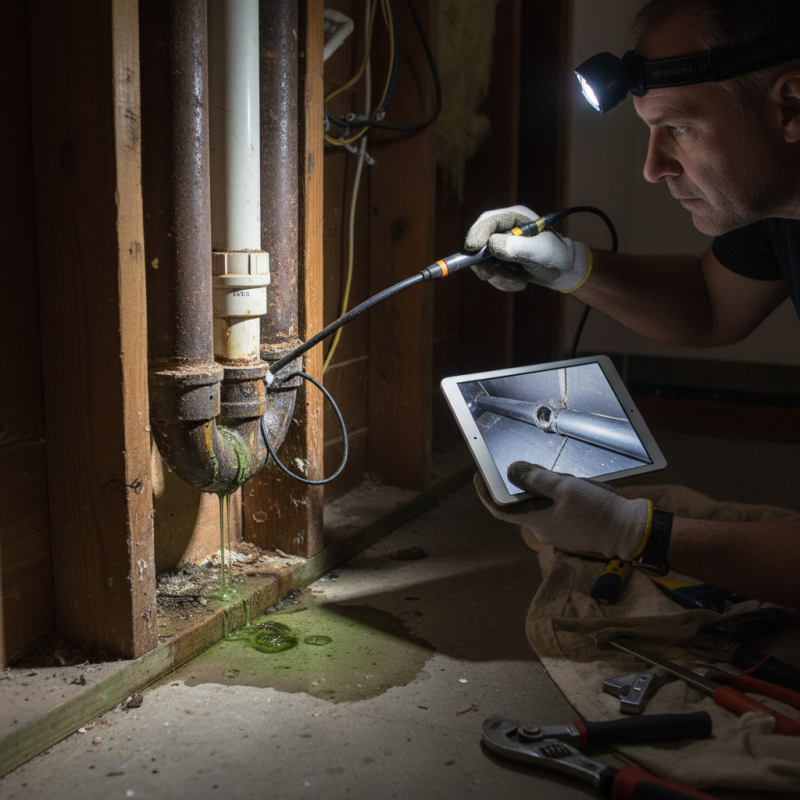
Taking a proactive approach is key. Regular maintenance can prevent significant damage. Homeowners should familiarize themselves with pipe inspection methods. Learning to use a camera for inspection is helpful. However, not everyone feels comfortable with DIY solutions. Hiring a professional might seem like a safer option. It's essential to weigh the pros and cons of each choice.
Understanding the Common Issues in Internal Sewer Pipes
Internal sewer pipes are crucial for proper home drainage. Over time, these pipes can develop common issues. Clogs, leaks, and corrosion are frequent problems. Understanding these issues helps homeowners address them effectively.
Clogs are often caused by debris. Hair, grease, and food particles can build up. Regular maintenance can reduce this risk. Use a strainer over drains to catch larger debris. Pouring hot water down the sink can also help clear minor blockages.
Leaks can be tricky. They might go unnoticed until significant damage occurs. Inspect pipes regularly for signs of moisture. Look for water stains or mold. If you suspect a leak, consulting a professional is essential. While DIY repairs exist, risks are involved. Seamless repairs often require expert skills.
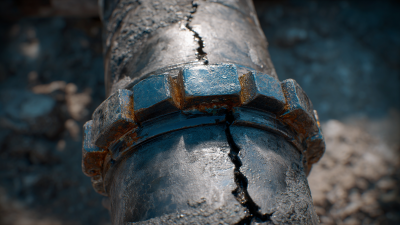
The corrosion of pipes can lead to serious issues. Older materials are especially vulnerable. Homeowners should be vigilant with water quality tests. Discolored water can indicate corrosion. Although it can be daunting, addressing these problems early can save money in the long run. Be proactive, pay attention to your internal sewer pipes.
Tools and Materials Needed for Sewer Pipe Repairs
When tackling internal sewer pipe repairs, having the right tools and materials is crucial. Gather basic tools before starting. A pipe wrench and pliers can help with fittings. A screwdriver set is necessary for removing covers. For cutting pipes, a hacksaw or pipe cutter is essential. Each tool serves a specific purpose, so don't overlook any of them.
Besides tools, material choices matter. Use PVC pipes for replacements due to their durability. A good quality pipe sealant is key for preventing leaks. Don’t forget gloves and safety goggles; they protect you during the process. While these items seem straightforward, it's easy to forget smaller details. Always double-check that you have everything you need; missing a tool can delay your work.
Be prepared to handle unexpected issues. A patch might not always do the trick, and you may encounter rusted connections or old materials. Reflect on your approach and be ready to adjust. Not every repair goes as planned. Sometimes, you may need help or extra resources. It's part of the learning curve.
Step-by-Step Guide to Locating the Source of Pipe Damage
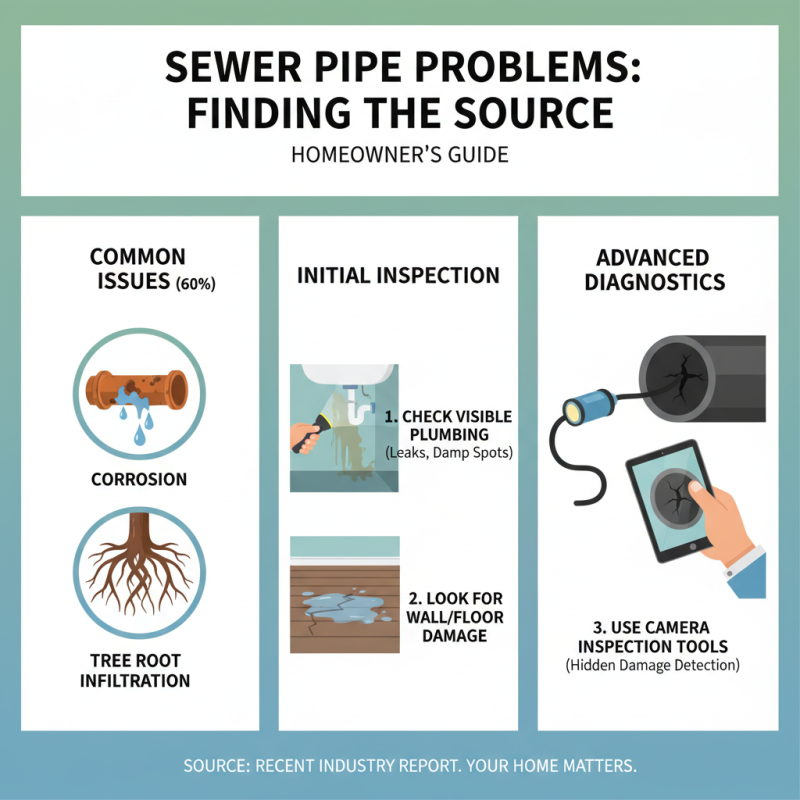
Locating the source of damage in internal sewer pipes can be challenging for homeowners. A recent industry report indicates that nearly 60% of pipe issues arise from corrosion or tree root infiltration. Start by inspecting visible sections of your plumbing system. Look for signs of leaks or damp spots on walls and floors. Using a camera inspection tool can provide a clearer view of hidden damage.
Consider these tips: Check your sewer cleanouts. This access point can help identify blockages or breaks. A common mistake is neglecting routine maintenance. According to experts, regular inspections can prevent costly repairs later.
If you suspect damage, be prepared for unexpected findings. Sometimes, more serious issues, like misaligned joints, may go unnoticed. Take notes during inspections to track recurring problems. This data can help professionals diagnose issues more effectively. Before diving into repairs, gather as much information as you can about the extent of the damage and possible solutions. This preparation can save time and resources.
Methods for Repairing Different Types of Internal Sewer Pipe Issues
Internal sewer pipes often face various issues, like clogs and leaks. Homeowners must recognize the unique methods for addressing these problems. One common issue is a stubborn blockage. This can be tackled using a plumber's snake or a high-pressure water jet. For minor clogs, consider using a plunger. These tools help clear obstructions, but sometimes they are ineffective. You may find yourself frustrated when your initial efforts don't work.
Another significant problem is pipe leaks. Detecting a leak can be tricky. Homeowners can look for water pooling beneath pipes or hear dripping sounds. If a leak is found, epoxy putty can be a temporary fix. Applying it to the leak's site can stop further damage. However, it's not a permanent solution, and homeowners might need to replace sections of the pipe later.
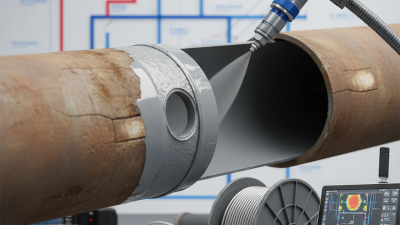
For serious pipe damage, more invasive methods may be required. Structural issues often call for trenchless repair methods. This is a less disruptive option that requires digging fewer holes. Yet, it can be costly and isn't always accessible for all homes. Each method comes with its own challenges and considerations. It's essential to weigh these factors before deciding on a repair strategy.
When to Seek Professional Help for Sewer Pipe Repairs
When it comes to sewer pipe repairs, knowing when to call a professional is crucial. Homeowners should not hesitate if they encounter persistent clogs, foul odors, or sewage backups. These issues often indicate deeper problems. A licensed plumber can quickly assess the situation and offer the best solutions. Trying to handle severe plumbing issues alone can lead to bigger messes.
If you notice wet spots on your lawn or walls, it might be time to seek help. These signs suggest leaks or breaks in the sewer line. Don't ignore them. A quick inspection can prevent costly repairs later. Always document the issues with photos for reference.
Tips: Regularly maintain your pipes to prevent blockages. Flush them with hot water and vinegar. However, if the problem persists, professional help is a smart choice. Relying solely on DIY methods can sometimes backfire. Safety and proper handling are key in these situations. If you're unsure, always consult a professional. It's better to be cautious than to deal with the aftermath of a DIY failure.
2026 Homeowners' Guide: Sewer Pipe Repair Methods Effectiveness