2026 How to Use Stainless Steel Concrete Screws Effectively?
When it comes to heavy-duty applications, Stainless Steel Concrete Screws are a reliable choice. These screws offer strong resistance to corrosion, making them ideal for outdoor use. Their ability to withstand harsh elements is unmatched, providing long-lasting security for your projects.
However, using Stainless Steel Concrete Screws effectively requires attention to detail. Proper drilling technique is crucial. An incorrect approach can lead to stripped screws or weakened bonds. It's important to choose the right drill bit size for the best results.
Additionally, not all concrete surfaces are the same. Understanding the specific requirements of the material being used can drastically improve performance. Some may find the learning curve challenging, but familiarizing oneself with these screws will yield better outcomes. Ultimately, using Stainless Steel Concrete Screws effectively ensures sturdy and dependable results for any construction job.
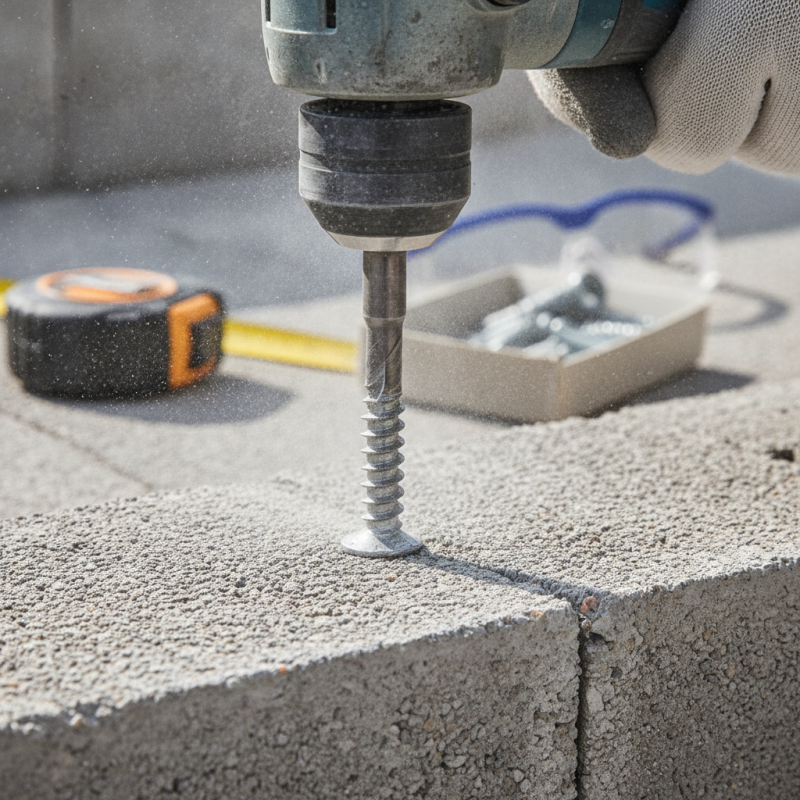
Understanding Stainless Steel Concrete Screws and Their Benefits
Stainless steel concrete screws are essential for various construction tasks. They are designed to provide strong, durable connections in concrete and masonry. Their resistance to corrosion makes them suitable for outdoor projects. Many professionals and DIY enthusiasts prefer these screws for their longevity. Understanding their benefits can lead to better project outcomes.
One key advantage is their ease of installation. Unlike traditional anchors, these screws can be directly driven into the concrete. This saves time and reduces the need for additional hardware. The threads are engineered to grip the material firmly, minimizing the risk of loosening over time. Furthermore, stainless steel offers excellent strength, making it an ideal choice for heavy-duty applications.
However, not all projects may benefit from stainless steel concrete screws. In certain situations, cost may be a concern. It's crucial to evaluate whether the investment aligns with project goals. Additionally, if the environment is not seriously corrosive, alternative options might suffice. Careful consideration is necessary to ensure the right choice for each unique project.
Selecting the Right Stainless Steel Concrete Screws for Your Project
When selecting stainless steel concrete screws, consider several factors. The type of project dictates the requirements. For heavy-duty applications, look for screws with a higher tensile strength. Industry reports suggest that using screws rated for at least 1,800 PSI will provide adequate holding power in most conditions.
Corrosion resistance is crucial. According to data from the Fastener Quality Act, stainless steel offers superior longevity in various environments. Choosing screws with a minimum grade of 304 stainless steel ensures better resistance to rust and corrosion. This is particularly important in coastal or humid areas where moisture may accelerate degradation.
Make sure to assess the screw's diameter and length. A common mistake is selecting a screw that is too short. This can lead to inadequate anchoring and potential project failure. Many professionals recommend a minimum embedment depth of 1.5 inches for optimal performance. Don't overlook the need for proper installation tools to avoid stripped heads and misalignment. Addressing these details can enhance your project's overall success.
Preparing Concrete Surfaces for Optimal Screw Installation
Preparing concrete surfaces is crucial for effective installation of stainless steel concrete screws. A clean and stable foundation ensures maximum grip and longevity. Remove all dirt, dust, and debris from the area. Even small particles can hinder the screw's performance.
Inspect the concrete for cracks or imperfections. These can compromise the integrity of the installation. Fill any gaps with a suitable filler before proceeding. This step might seem tedious, but it significantly enhances the hold of your screws. Remember to let the filler cure completely.
Tips: Always use a wire brush or grinder to clean the surface thoroughly. A damp cloth can help remove finer dust. For better results, consider using a vacuum after brushing. Ensure the area is dry before screwing in the fasteners. Use a drill with the proper bit size to create pilot holes that match your screw specifications. This will prevent the concrete from cracking during installation.
Taking these steps may take extra time, but they are essential for a secure and lasting outcome. A little preparation can save a lot of hassle later.
Step-by-Step Guide to Installing Stainless Steel Concrete Screws
Stainless steel concrete screws are essential for durable installations. They offer high resistance to corrosion and are ideal for outdoor projects. In construction, the longevity of materials is crucial. According to industry reports, improper installation can reduce the lifespan of these screws. Follow this guide for effective installation.
Before beginning, gather essential tools: a hammer drill, a suitable drill bit, and a torque wrench. Ensure you select the correct screw size for your project. Drill holes into the concrete at least 1/4 inch deeper than the screw length. This depth will allow for proper anchoring. When inserting the screws, use steady pressure. Avoid overtightening, as it may cause concrete to crack.
Tips:
Check humidity levels before installation. Extreme conditions can affect screw performance. Always wear protective eyewear while drilling, as debris may fly.
Inspect the screws regularly. Look for signs of rust or damage. A proactive approach helps maintain structural integrity. It’s important to reflect on installation techniques. Don’t hesitate to seek expert advice if unsure about any steps.
Common Mistakes to Avoid When Using Concrete Screws
When working with stainless steel concrete screws, avoiding common mistakes is essential for achieving strong and durable results. One frequent error is inadequate drilling. Many underestimate the importance of choosing the correct drill bit size. The optimal diameter should align with the screw's specifications to ensure a snug fit. According to industry reports, improper hole sizes contribute to a significant percentage of failed installations.
Another crucial factor is not allowing for proper embedment depth. Many users mistakenly assume that driving the screw flush with the surface is sufficient. In reality, insufficient depth can lead to reduced holding strength. Experts recommend embedding screws at least one inch into the concrete for maximum stability. The American Concrete Institute emphasizes this practice to enhance structural integrity.
Tip: Always double-check the manufacturer's guidelines regarding screw specifications.
Additionally, not cleaning the holes can be detrimental. Dust and debris can hinder the screw's grip on the concrete. Professionals suggest using a blowout bulb or compressed air to clear the hole thoroughly before insertion. This small step greatly improves performance and longevity.
Tip: Keep track of drill bit wear. A dull bit can cause additional friction and lead to misaligned holes.