2026 How to Choose the Best Electric Water Heater for Your Home
Choosing the right Electric Water Heater is essential for every homeowner. This decision impacts both comfort and energy efficiency. According to the U.S. Department of Energy, water heating accounts for about 18% of a home's energy use. Therefore, selecting the best option can lead to significant savings.
Expert David Green, a consultant in the water heating industry, emphasizes, "The right Electric Water Heater can change your home’s energy narrative." With numerous models available, it becomes essential to understand features and specifications. It's not just about cost; efficiency ratings, recovery rates, and tank size are critical factors.
Many consumers overlook the importance of proper sizing. A too-large unit can lead to wasted energy, while a too-small one may not meet daily demands. Striking the right balance requires informed choices. In fact, the Electric Water Heater market is projected to grow significantly, indicating an increasing consumer focus on energy efficiency and sustainability. Thus, making a wise selection will benefit both the household and the environment.
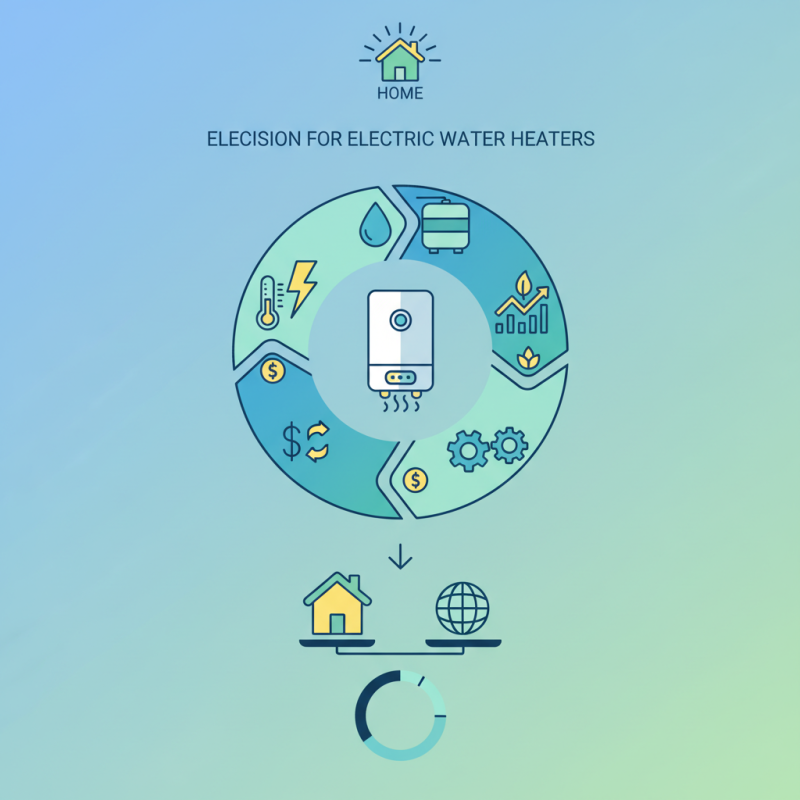
Key Factors to Consider When Choosing an Electric Water Heater
Choosing the right electric water heater involves several important factors. One of the first things to consider is your household's hot water demand. Is your family large or small? Do you have many guests? Larger families require units with higher capacities. Knowing your water usage helps in selecting the right size.
Energy efficiency is another crucial consideration. Look for models that meet established efficiency standards. Efficient heaters save money on utility bills. However, these models may have higher upfront costs. Evaluate whether the savings justify the initial investment.
Lastly, the installation process should not be overlooked. Some heaters are easier to install than others. A complicated setup might lead to extra costs and delays. If you're uncertain, consult a professional for advice. Balancing efficiency, capacity, and installation will help you make a more informed choice.
Comparison of Different Types of Electric Water Heaters
When selecting an electric water heater, it's essential to understand the different types available. Tank-style heaters are common. They store hot water in a tank and ensure a steady supply. However, they consume energy constantly to keep water hot. This may lead to higher utility bills. It’s important to assess whether this option suits your needs.
Tankless water heaters have gained popularity. They heat water on demand, providing instant hot water. This can save energy. However, they may struggle with multiple taps used simultaneously. It's crucial to evaluate your household's hot water requirements before choosing this type. Other alternatives include heat pump water heaters. They are energy-efficient but have higher upfront costs.
Electric water heaters vary widely. An incorrect choice may lead to inefficiencies and potential frustration. Understanding each type’s pros and cons is vital. Users should consider installation space, energy efficiency, and water demand. This decision should reflect personal needs and local conditions. Detailed research will help in making an informed choice.
2026 How to Choose the Best Electric Water Heater for Your Home - Comparison of Different Types of Electric Water Heaters
| Type | Capacity (Gallons) | Energy Efficiency (%) | Recovery Rate (GPH) | Life Expectancy (Years) | Average Cost ($) |
| Tank Water Heater | 20 - 80 | 80 - 95 | 30 - 50 | 10 - 15 | 300 - 1,500 |
| Tankless Water Heater | Endless | 85 - 98 | 2 - 5 | 20 - 30 | 500 - 2,000 |
| Heat Pump Water Heater | 40 - 80 | 200 - 300% | 30 - 45 | 15 - 20 | 1,200 - 3,000 |
| Solar Water Heater | 30 - 80 | 70 - 100 | 15 - 20 | 20 - 25 | 2,000 - 5,000 |
Energy Efficiency Ratings and Their Importance
When choosing an electric water heater, energy efficiency ratings are crucial. These ratings reflect how effectively a heater converts energy into hot water. A higher rating indicates better efficiency, which can lead to lower utility bills. Understanding these ratings helps you make informed decisions.
Consider the energy factor (EF) rating, which shows energy efficiency. A heater with a high EF will use less electricity to produce the same amount of hot water. Additionally, look for heaters labeled with the Energy Star certification, which signifies they meet strict efficiency standards. This could save you money in the long term.
However, it’s vital to remember that energy efficiency is not the only factor. You should assess the size of the heater needed for your household. A larger family might require a bigger unit, even if it has a low energy rating. Regular maintenance is also important for efficiency. Neglecting to flush the heater can lead to sediment buildup, affecting performance. Keep these considerations in mind for a smarter purchase.
Sizing Your Electric Water Heater for Optimal Performance
Sizing an electric water heater correctly is crucial for achieving optimal performance. According to the U.S. Department of Energy, choosing the right size can enhance energy efficiency and reduce costs. A unit that’s too small may leave you with inadequate hot water. On the other hand, a system that's too large may waste energy and increase utility bills.
A family of four typically requires a water heater with a capacity of at least 50 gallons. However, this can vary depending on daily hot water usage. For example, showering, laundry, and dishwashing all contribute to hot water demands. Understanding peak usage times can guide you in selecting the right model. Individuals should estimate their household's gallon-per-minute (GPM) needs during the busiest times.
Moreover, potential users should consider future needs. Lifestyle changes, like moving from a small apartment to a larger home, can affect water consumption. Oversizing a unit may seem beneficial but could lead to inefficiencies. This complexity highlights the importance of thorough research and understanding personal hot water habits before making a purchase.
2026 Electric Water Heater Sizing for Optimal Performance
This chart illustrates recommended household sizes for different electric water heater capacities in gallons. Choosing the appropriate size ensures optimal performance and efficiency in delivering hot water for your needs.
Installation and Maintenance Tips for Electric Water Heaters
When selecting an electric water heater, installation and maintenance are crucial factors. Proper installation ensures optimal performance and efficiency. A recent industry report revealed that 30% of water heater failures stem from improper installation. For best results, ensure the heater is installed by a licensed professional. Check for adequate space and accessibility for maintenance tasks. This approach helps prevent issues before they escalate.
Regular maintenance plays a vital role in the longevity of the unit. Experts recommend flushing the tank annually to remove sediment buildup. This buildup can reduce efficiency and lead to overheating. Moreover, inspecting the anode rod every few years can help prevent corrosion, which extends the heater’s life. It’s easy to overlook these tasks, yet neglecting them can lead to costly repairs or replacements. Keep in mind that addressing small symptoms early can save money and hassle later on. Staying proactive is key to maintaining the efficiency and lifespan of your electric water heater.