How to Fix Sewer Line Without Digging or Disruption?
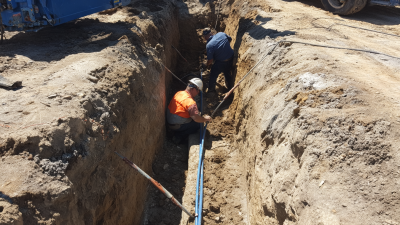
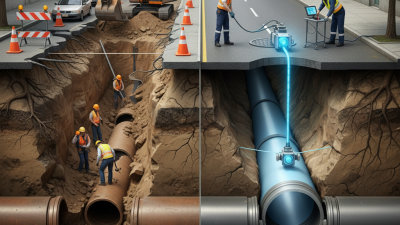
Sewer line issues can create significant problems for homeowners. Traditional methods of sewer line repair often involve extensive digging. This can disrupt landscaping and harm property aesthetics. However, advancements in technology now allow for sewer line repair without digging. These methods are often less invasive and quicker.
Not all solutions fit every situation. Factors like pipe material and damage type come into play. Homeowners should assess their specific needs. Effective repair techniques might include trenchless technology or pipe relining. These methods minimize disruption and reduce costs.
Choosing sewer line repair without digging requires careful consideration. It is crucial to work with experienced professionals. They can provide valuable insights and recommendations. While the convenience is enticing, not all claims may deliver results. Evaluating options may lead to unexpected challenges. Homeowners must prioritize reliable service and quality results.

Understanding Non-Invasive Sewer Line Repair Methods
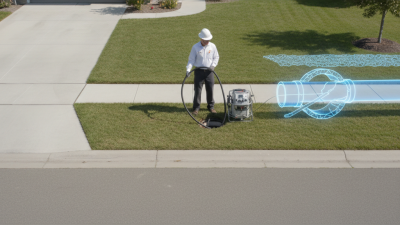
Non-invasive sewer line repair methods are gaining popularity. These techniques provide solutions without the need for extensive digging. This approach minimizes disruption to your property, preserving landscaping and hardscaping features. Traditional methods often cause messy excavations, while non-invasive methods focus on maintaining the integrity of your yard.
One popular technique is trenchless technology. It involves inserting a liner into the damaged pipe. This liner cures in place and creates a new pipe inside the old one. The process is quick and efficient, often completed in a few hours.
Another method uses high-pressure water jets to clear blockages. This technique restores flow without damaging existing pipes. Both options are less invasive, saving time and cost.
While these methods are effective, they aren't foolproof. Sometimes, underlying issues can complicate repairs. For example, severely collapsed pipes may still need excavation. It's important to get a thorough inspection first. Accurate assessments can guide the most suitable repair option.
Investing in regular maintenance can prevent future problems. Ultimately, understanding these methods can lead to better sewer health.
Common Causes of Sewer Line Issues Requiring Repair
Sewer line issues are common and often unavoidable. According to industry reports, around 60% of homeowners experience sewer line problems at some point. Tree roots are a major culprit. They can infiltrate pipes, leading to blockages. Roots seek moisture, and sewer lines provide an excellent water source. This issue, if ignored, can escalate quickly.
Another frequent cause is the buildup of grease or debris. Over time, this sludge can harden within the pipes. Regular maintenance is essential, yet not all households schedule these checks. Furthermore, aging sewer systems are a problem. Many were installed decades ago, with materials like clay or steel. These may corrode or crack over time.
It's important to note that some signs are easy to overlook. Slow drains might seem minor but can indicate deeper issues. Unpleasant odors can also signal that something is wrong. Homeowners should pay attention to these warning signs. Ignorance can lead to expensive repairs or disruption down the line. The focus should be on prevention. Regular inspections and proper usage of drains can help maintain healthy sewer systems.
Overview of Trenchless Technology for Sewer Line Repair
Trenchless technology has revolutionized sewer line repair by minimizing disruption. This method employs advanced techniques to fix pipes without extensive digging. A report from the American Society of Civil Engineers indicates that more than 30% of sewer systems need urgent repair. Trenchless methods address this need effectively.
One common technique is pipe bursting. This involves fracturing the old pipe while simultaneously installing a new one. It can replace up to 150 feet of pipe in a single day. According to utility studies, trenchless solutions can reduce repair times by 50% or more. This is significant in areas where traffic interruptions are a concern.
Another method is pipe lining, which uses epoxy resin to create a new pipe within the old one. This can extend the life of existing infrastructure. However, challenges exist. For instance, not every type of damage is suitable for trenchless solutions. The condition of the original pipe plays a crucial role. Regular assessments of sewer lines are essential to determine the best approach. Overall, trenchless technology offers efficient solutions, but it's not a one-size-fits-all answer.
How to Fix Sewer Line Without Digging or Disruption? - Overview of Trenchless Technology for Sewer Line Repair
| Repair Method |
Process Description |
Benefits |
Typical Costs |
Time Required |
| Pipe Bursting |
A new pipe is created by breaking apart the old pipe and simultaneously installing a new one. |
Minimal disruption, long-lasting solution, larger pipe diameter possible. |
$60 - $200 per foot |
1-2 days |
| Trenchless Lining |
A resin-saturated liner is inserted into the damaged pipe and cured to form a new pipe within. |
Less labor-intensive, quick to install, improves flow. |
$80 - $250 per foot |
Few hours to a day |
| Horizontal Directional Drilling |
A drill is used to create a horizontal borehole for the new line. |
Minimal site disruption, ideal for complicated landscapes. |
$100 - $300 per foot |
1-3 days |
| Cured-in-Place Pipe (CIPP) |
A flexible tube is coated with resin and inserted into the existing pipe to cure and harden. |
Cost-effective, efficient, enhances structural integrity. |
$70 - $250 per foot |
1 day |
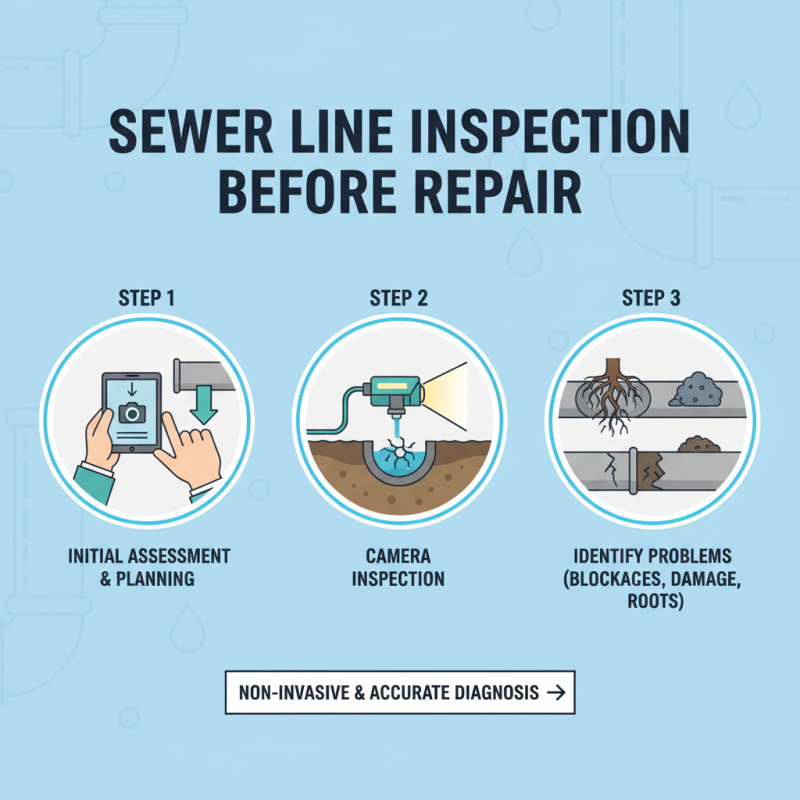
Steps to Perform Sewer Line Inspection Before Repair
In any sewer line repair, the initial step is a thorough inspection. This ensures you identify the problem without unnecessary digging. A camera inspection can uncover blockages, pipe damages, or tree roots. It’s a non-invasive method, giving you a clear view of the sewer line’s condition.
Tips: Using a professional service for the camera inspection saves time. Professional tools detect issues we might miss. Neglecting this step could lead to larger, costlier repairs down the line.
Another crucial method is a smoke test. This helps to find leaks that regular inspections might not catch. During this test, harmless smoke is forced through the sewer system. If smoke escapes, a leak is present.
Tips: Perform regular inspections to avoid major issues. It can often save you money. Waiting too long can lead to unexpected disasters in your plumbing system. Keeping track of your sewer conditions is essential, even if it seems tedious.
Benefits of Professional Assistance in Non-Dig Sewer Repair
When dealing with sewer line issues, many homeowners dread the disruption of traditional repair methods. Fortunately, non-dig sewer repair techniques are available. These methods allow for effective fixes without extensive digging. Professional assistance is crucial in navigating these innovative solutions.
Using non-invasive techniques, experts can quickly locate the problem. They employ advanced tools like cameras to inspect pipes. This reduces guesswork and minimizes time spent on repairs. Additionally, the work area remains clean and free of major disruption, preserving your landscaping and driveway. Professional technicians also offer peace of mind. Their experience enables them to address issues that homeowners might overlook.
In some cases, the repair may not fully resolve the underlying issue. A professional can provide a more comprehensive assessment. They might recommend ongoing maintenance or monitoring of the system. This kind of insight ensures that your sewer lines remain in good condition long-term. Homeowners often underestimate the complexity of sewer issues, which is why expert guidance is invaluable.
Benefits of Non-Dig Sewer Repair Methods