Submit Inquiry
27 West Beaver Creek Road Unit #2
Richmond Hill, ON, CANADA L4B 1M8

International:

1-905-886-0335

US & Canada:

1-800-265-5696

2026 How to Effectively Repair Pipe Sleeves for Longevity?

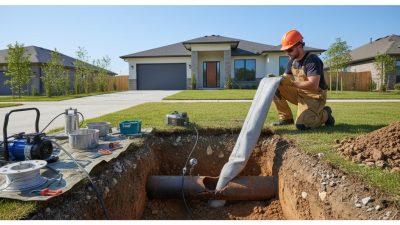
When considering pipe sleeve repair, longevity is a primary concern. Many infrastructure projects rely on pipe sleeves to enhance the durability of pipes. However, over time, these sleeves can suffer from wear and damage. Understanding the effective methods for repair is crucial.

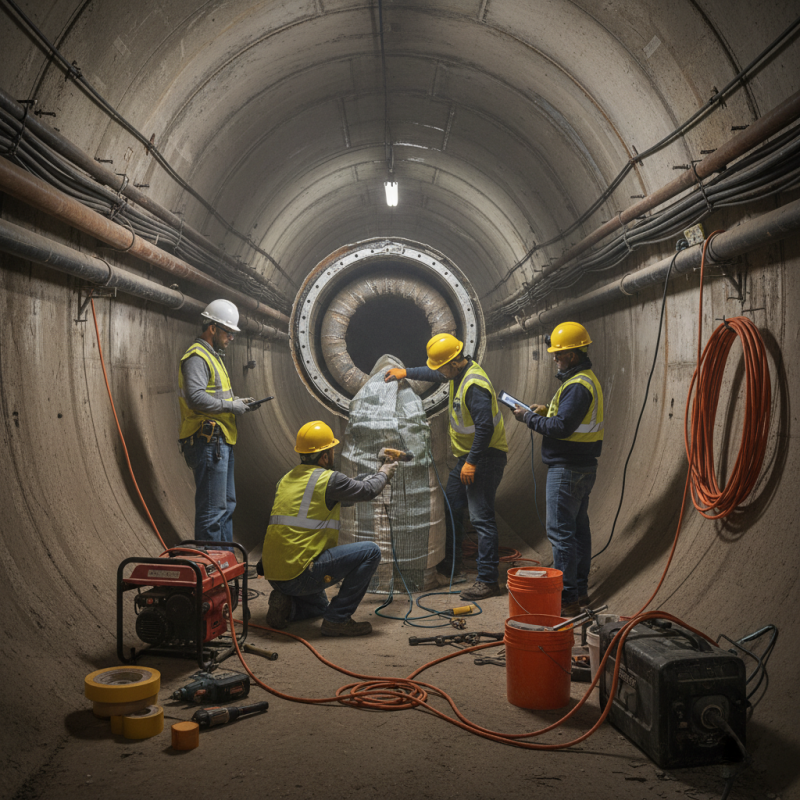
Each repair method has its own strengths and limitations. Professionals must evaluate the condition of the sleeve before deciding on a repair approach. Some methods may provide a quick fix, while others require more time and resources. It's essential to choose a technique that meets the needs of the specific situation.

Attention to detail can make a significant difference in the outcome of a repair. Quality materials and skilled workmanship play vital roles in ensuring a successful pipe sleeve repair. Recognizing common pitfalls helps professionals avoid mistakes. Ultimately, an informed approach will lead to enhanced longevity and reliability in pipe systems.
2026 How to Effectively Repair Pipe Sleeves for Longevity?

Understanding Pipe Sleeves: Definition and Purpose
2026 How to Effectively Repair Pipe Sleeves for Longevity?

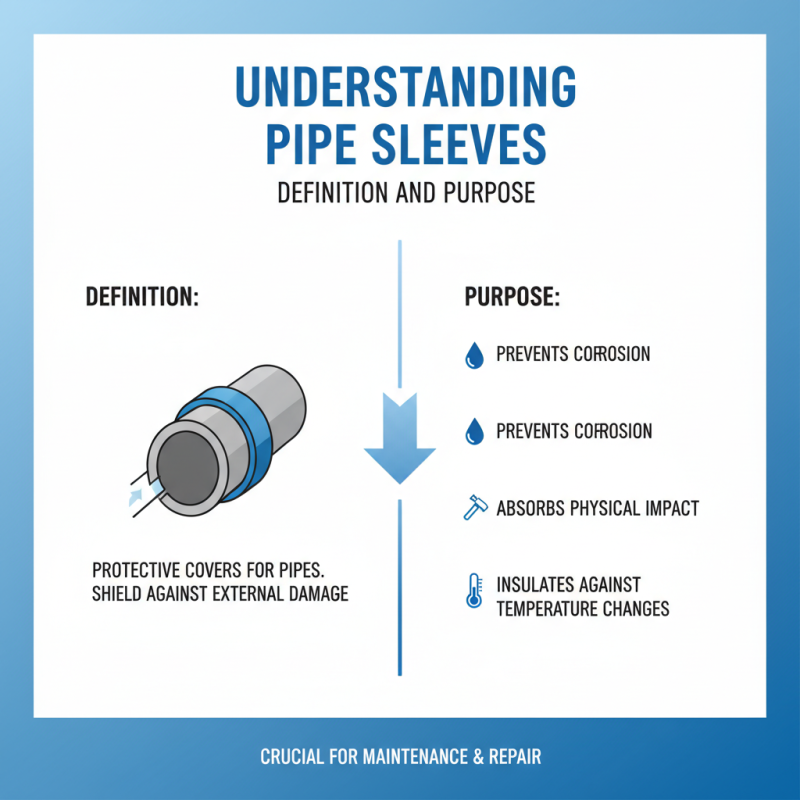
Pipe sleeves are critical components in various piping systems. They serve as protective covers that help safeguard pipes from external damage. Often made of durable materials, pipe sleeves act as a shield against corrosion, physical impact, and temperature fluctuations. Understanding their definition is crucial for effective maintenance and repair.

The purpose of pipe sleeves extends beyond just protection. They facilitate insulation, which helps in energy conservation within heating and cooling systems. Properly installed sleeves can enhance system efficiency and prolong the lifespan of the pipes. However, not all installations are perfect. Sometimes, misalignment or poor sealing can lead to leaks, compromising the sleeve’s effectiveness. Monitoring for these issues is essential in any maintenance program.

Repairing pipe sleeves effectively requires attention to detail. Regular inspections can identify wear and tear early on. Utilizing appropriate repair techniques is key. Sometimes, patching a sleeve can be a temporary fix that needs revisiting. Users often overlook this, only addressing problems when they escalate. Learning from past mistakes can lead to better practices in maintaining these essential components.
Common Issues with Pipe Sleeves and Their Causes

Pipe sleeves often face a range of issues that can compromise their durability and performance. One common problem is corrosion. According to a 2021 report by the Corrosion Control Association, approximately 30% of metal pipes show signs of corrosion by the age of 10 years. Factors like moisture and soil composition contribute to this issue.

Another prevalent issue is misalignment. Improper installation techniques can lead to a shift in pipe alignment, causing stress on the sleeve. This tension can eventually result in leaks, further complicating repairs. Experts recommend regular inspections and employing advanced alignment tools during installation to mitigate these risks.

Tips: Regular maintenance is crucial. Inspect sleeves annually, looking for signs of wear and tear. Use proper materials during installation to withstand environmental factors. Always keep in mind that even small cracks can lead to major problems. Reflect on past repairs and take notes on what worked effectively and what didn’t.

Step-by-Step Guide to Assessing Damage in Pipe Sleeves

Assessing damage in pipe sleeves is crucial for effective repair. Start by inspecting each sleeve visually. Look for signs of rust, corrosion, or cracks. These indicators can tell you a lot about the state of your pipes. Use a flashlight to examine hard-to-see areas. If you notice any deterioration, that is a cause for concern.

Next, perform a physical check. Tap the sleeves gently with a hammer. Listen for a hollow sound, which can indicate weak spots. A solid sound means the sleeve is intact. Don’t forget to check connections and joints. These areas often wear out faster than the sleeves themselves. It’s easy to overlook these details, but they are vital for a complete assessment.

Consider conducting a pressure test. This step may require professional tools and knowledge. If the sleeves do not hold pressure, they likely need repair. Remember that not all damage is visible. Sometimes, deeper structural issues lurk beneath the surface. Stay vigilant and proactive to ensure long-lasting repairs.

Repair Techniques for Enhancing Pipe Sleeve Longevity

2026 How to Effectively Repair Pipe Sleeves for Longevity?

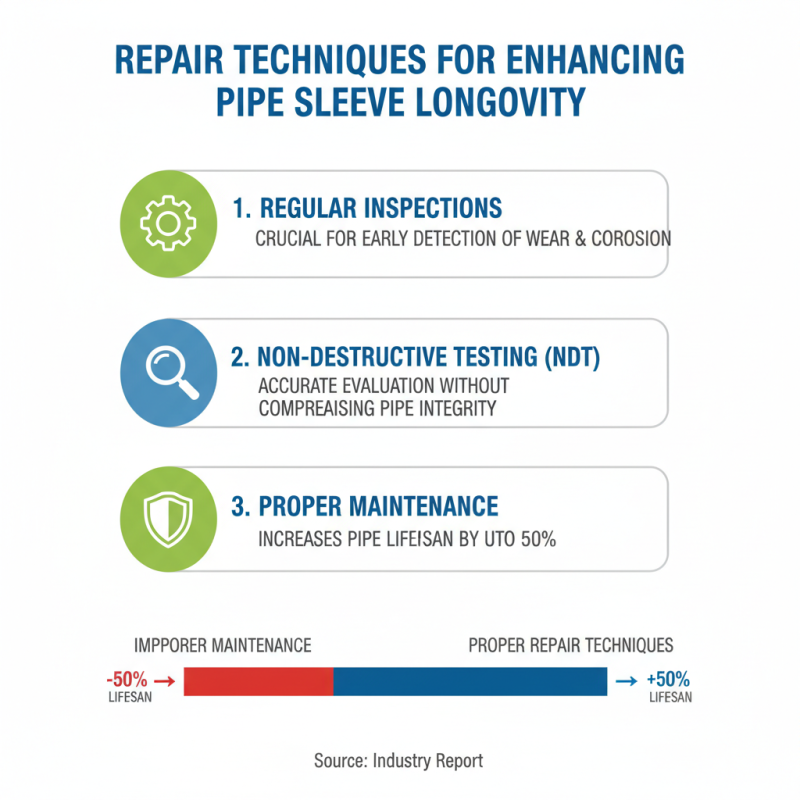
Effective repair techniques for pipe sleeves can significantly enhance their longevity. A recent industry report indicates that improper maintenance can reduce pipe lifespan by up to 50%. Regular inspections are crucial. Assessments help in identifying wear and corrosion early. Using non-destructive testing methods allows for accurate evaluation without compromising the pipe's integrity.

Patchwork repairs with specialized epoxies are often preferred. These materials bond well, offering a strong seal against leaks. Furthermore, pipe sleeves should be cleaned thoroughly before application. This ensures maximum adhesion. A study showed that over 30% of repairs fail due to inadequate surface preparation.

While traditional methods like welding may be effective, they come with risks. Heat can alter the pipe material, potentially leading to further issues. Reflecting on these practices can lead to better strategies. The goal should be to adopt techniques that ensure the long-term integrity of pipe sleeves. Such diligence can minimize downtime and reduce costs over time.

Preventive Measures for Maintaining Pipe Sleeves Over Time

Maintaining pipe sleeves is crucial for extending their lifespan. Proper care prevents leaks and reduces the risk of costly repairs. Industry studies indicate that up to 30% of piping failures are linked to inadequate sleeve maintenance. This makes preventive measures essential for infrastructure reliability.

Routine inspections can identify early signs of wear. Look for corrosion, cracks, or other surface issues. These small signs can escalate quickly, leading to significant problems. Experts recommend checking sleeves at least once a year. Keep a log of inspections to note changes over time.

Tips: Consider applying a protective coating to enhance durability. Immediate repairs for minor issues can prevent bigger headaches later. Regular flushing can also minimize debris that may compromise sleeve efficiency. Stay proactive to ensure operational integrity.

123