How to Effectively Address Sewer Line Issues without the Need for Excavation
In the realm of plumbing and infrastructure maintenance, sewer line repair without digging has gained significant attention due to its cost-effectiveness and minimal disruption to property. According to the American Society of Civil Engineers, the average cost of traditional excavation for sewer repairs can range from $50 to $250 per linear foot, not including potential landscaping restoration. Innovations such as trenchless technology allow for repairs with only small access points, reducing both the time and resources required for comprehensive repairs.
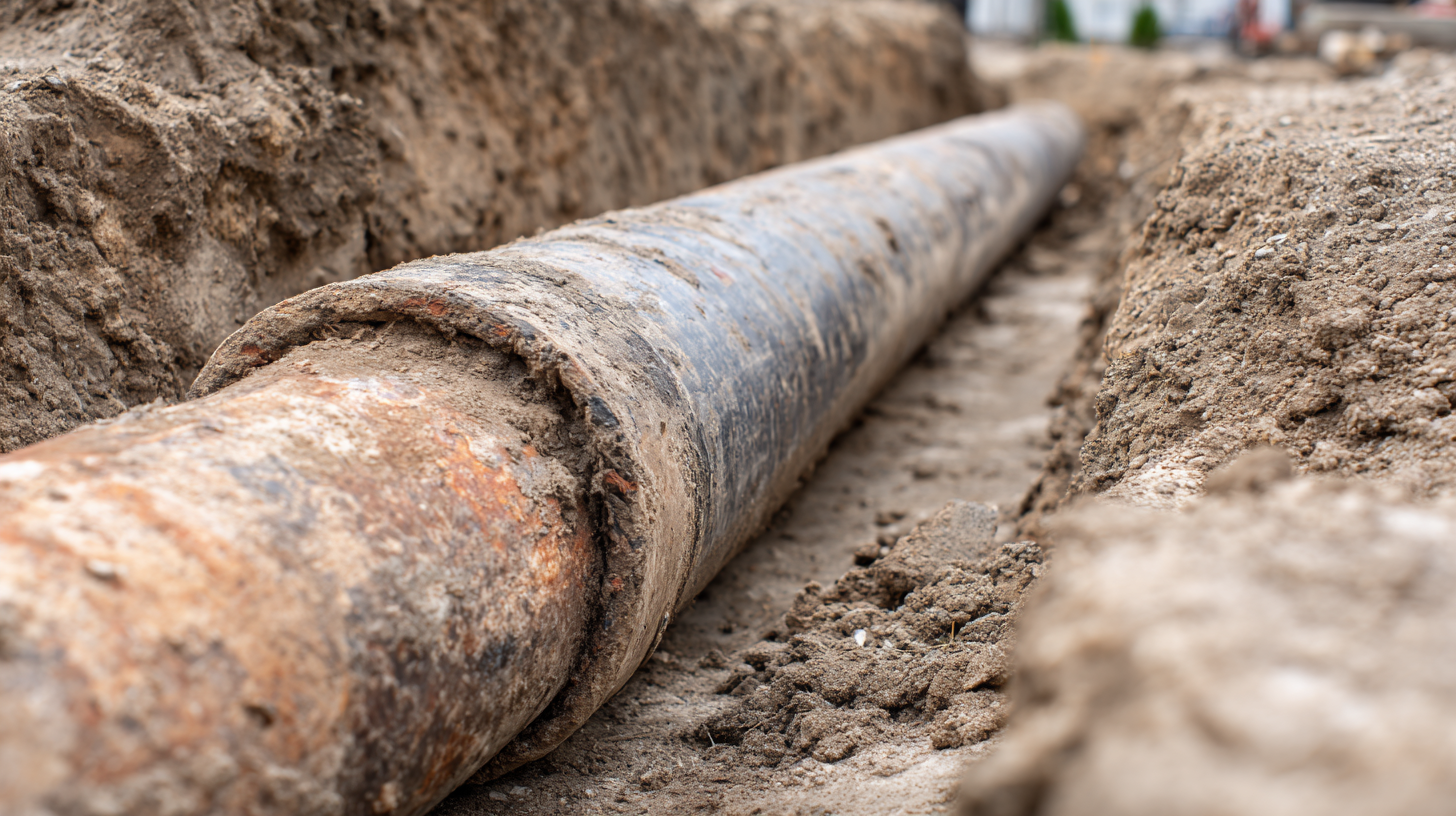
Moreover, a 2021 report by the National Association of Sewer Service Companies indicates that trenchless methods can decrease project time by up to 70% compared to traditional methods, while also limiting the impact on surrounding landscapes. These advancements not only promote efficient repairs but also provide a sustainable approach to maintaining municipal and residential sewer systems, making the exploration of non-invasive repair techniques an essential consideration for homeowners and contractors alike.
Understanding Common Sewer Line Issues that Require Attention
Sewer line issues can often lead to significant disruptions and costly repairs if not addressed promptly. According to the American Society of Civil Engineers (ASCE), an estimated 240,000 water main breaks occur each year in the United States, with a substantial number linked to aging sewer infrastructure. Common problems that require immediate attention include root intrusions, pipe corrosion, and blockages caused by accumulated debris or grease buildup. Identifying these issues early can help homeowners avoid more severe complications, including extensive sewage backups or property damage.
Modern technology has revolutionized the approach to managing sewer line problems without invasive excavation. Techniques like trenchless technology allow for the repair and replacement of damaged pipes with minimal disruption to the surrounding landscape. The Pipe Rehabilitation Industry Association (PRIA) reports that these methods can reduce repair costs by up to 30% when compared to traditional excavation methods. Moreover, non-invasive solutions like hydro-jetting can effectively clear blockages and restore flow in pipes, making it vital for homeowners to familiarize themselves with these innovative options to maintain their sewer systems effectively.
How to Effectively Address Sewer Line Issues without the Need for Excavation - Understanding Common Sewer Line Issues that Require Attention
| Issue |
Description |
Signs to Look For |
Potential Solutions |
| Clogs |
Blockages in the sewer line due to debris, grease, or tree roots. |
Slow draining sinks and toilets, gurgling noises. |
Hydro jetting, drain snaking, enzyme treatments. |
| Tree Root Infiltration |
Roots from nearby trees infiltrating sewer lines, causing blockages. |
Frequent backups, bad odors, and slow drainage. |
Rooter service, trenchless technology. |
| Cracks and Leaks |
Structural damage leading to leaks in the sewer line. |
Puddles in yard, damp spots in basements. |
Pipe relining, epoxy sealing. |
| Sewer Line Shifting |
Soil erosion or settling causing misalignment of pipes. |
Unusual noises, water pooling, or slow drainage. |
Pipe replacement, trenchless repair methods. |
| Grease Buildup |
Accumulation of grease in pipes, leading to clogs. |
Foul smells, slow drains. |
Regular maintenance, hot water flushes, grease traps. |
Exploring Non-Invasive Techniques for Sewer Line Repair
Non-invasive techniques for sewer line repair have become increasingly important as municipalities and private sectors aim for efficient and cost-effective solutions. Traditional methods often involve extensive excavation, which can disrupt roadways and ecosystems. However, advancements in technology enable the detection and repair of sewer issues without the need for such invasive measures. These techniques include video inspections, trenchless technology, and advanced leak detection systems, all of which can minimize disruptions while providing accurate assessments of sewer integrity.
At recent forums focused on water management, industry leaders discussed the shift from traditional, labor-intensive operations to smart, technology-driven approaches for pipe monitoring and repairs. By leveraging Internet of Things (IoT) devices and data analytics, companies can conduct real-time assessments of sewer lines, allowing for prompt identification of problems and targeted repairs. This innovative approach not only enhances efficiency but also promotes sustainable practices within urban infrastructure management. Through these developments, non-invasive sewer line repair techniques pave the way for a future where maintenance is both less disruptive and highly effective.
Non-Invasive Techniques for Sewer Line Repair
Utilizing Technology: Video Inspection for Accurate Diagnosis
One of the most significant advancements in plumbing technology is the use of video inspection for diagnosing sewer line issues. This innovative approach allows professionals to thoroughly examine the interiors of pipes without the need for excavation. By inserting a small, high-resolution camera into the sewer line, technicians can identify blockages, cracks, and other potential problems in real-time. This method not only saves time but also minimizes disruptions to the property and surrounding landscape.
The accuracy of video inspections means that homeowners can receive precise diagnostics and tailored solutions for their sewer line problems. Technicians can pinpoint the exact location and nature of the issue, ensuring that only necessary repairs are conducted. This approach reduces the risk of unnecessary digging and associated costs, making it a cost-effective solution for many property owners. By embracing technology like video inspection, the plumbing industry is moving toward smarter, more efficient practices that ultimately enhance service quality and customer satisfaction.
Choosing the Right Plumbing Solutions: Trenchless Options Explained
When facing sewer line issues, selecting the right plumbing solutions can significantly reduce the hassle and cost associated with traditional excavation methods.
Trenchless technology has emerged as a preferred option, allowing for repairs and replacements with minimal disruption to your property. The key trenchless methods include
pipe bursting and pipe lining, each offering unique advantages based on the specific condition of your sewer system.
Pipe bursting involves breaking apart the old, damaged pipe while simultaneously installing a new pipe in its place. This method is especially effective for severely degraded lines and can be completed in a fraction of the time it would take for traditional methods. On the other hand, pipe lining is a more suited option for pipes that have minor cracks or leaks. This process involves inserting a resin-coated liner into the existing pipe, which then hardens and forms a new, durable interior.
By utilizing trenchless options, homeowners can ensure their sewer line issues are resolved efficiently while preserving their landscaping and minimizing excavation costs.
Maintenance Tips to Prevent Future Sewer Line Problems
Preventing future sewer line problems is essential for maintaining the integrity of your plumbing system and avoiding costly repairs. According to a report by the Environmental Protection Agency (EPA), up to 50% of sewer blockages can be traced back to improper disposal of waste and grease. One effective maintenance strategy is to establish a regular inspection schedule, ideally every 1 to 2 years, utilizing video camera technology. This allows homeowners to spot potential issues, like root intrusions or cracks, before they escalate.
Another crucial tip is to be mindful of what goes down the drain. The National Association of Plumbing and Heating Contractors recommends educating your household about the importance of only flushing toilet paper and human waste. Additionally, using enzyme-based cleaners can help break down organic waste in the pipes, reducing the likelihood of buildup. By implementing these practices, homeowners can significantly decrease the risk of sewer line issues, thus saving time, stress, and money in the long run.