How to Effectively Repair Internal Sewer Pipes: A Comprehensive Guide
The integrity of internal sewer pipe systems is crucial for maintaining the sanitation and functionality of residential and commercial buildings. According to the American Society of Civil Engineers (ASCE), an estimated 30% of the sewer systems in the United States are either in poor condition or require urgent repair, highlighting the importance of timely and effective internal sewer pipe repair. With advancements in technology, especially in trenchless repair methods, property owners now have access to more efficient and less disruptive solutions than traditional repair techniques.
A comprehensive understanding of the various repair methods available is essential for property owners and contractors alike. Notably, a report by the Environmental Protection Agency (EPA) indicates that neglecting internal sewer pipe issues can lead to significant financial burdens, with the average cost of full system replacement often exceeding $60,000. This data underscores the need for proactive maintenance and repair strategies to extend the lifespan of internal sewer systems, ultimately ensuring health compliance and preserving property values. By following a strategic guide on internal sewer pipe repair, stakeholders can not only mitigate potential hazards but also implement cost-effective solutions that benefit the entire community.
Understanding the Different Types of Internal Sewer Pipe Damage and Their Impact
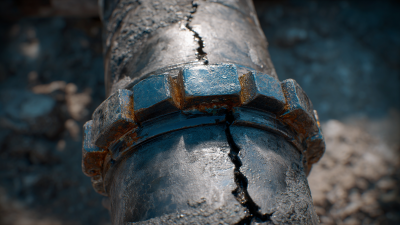
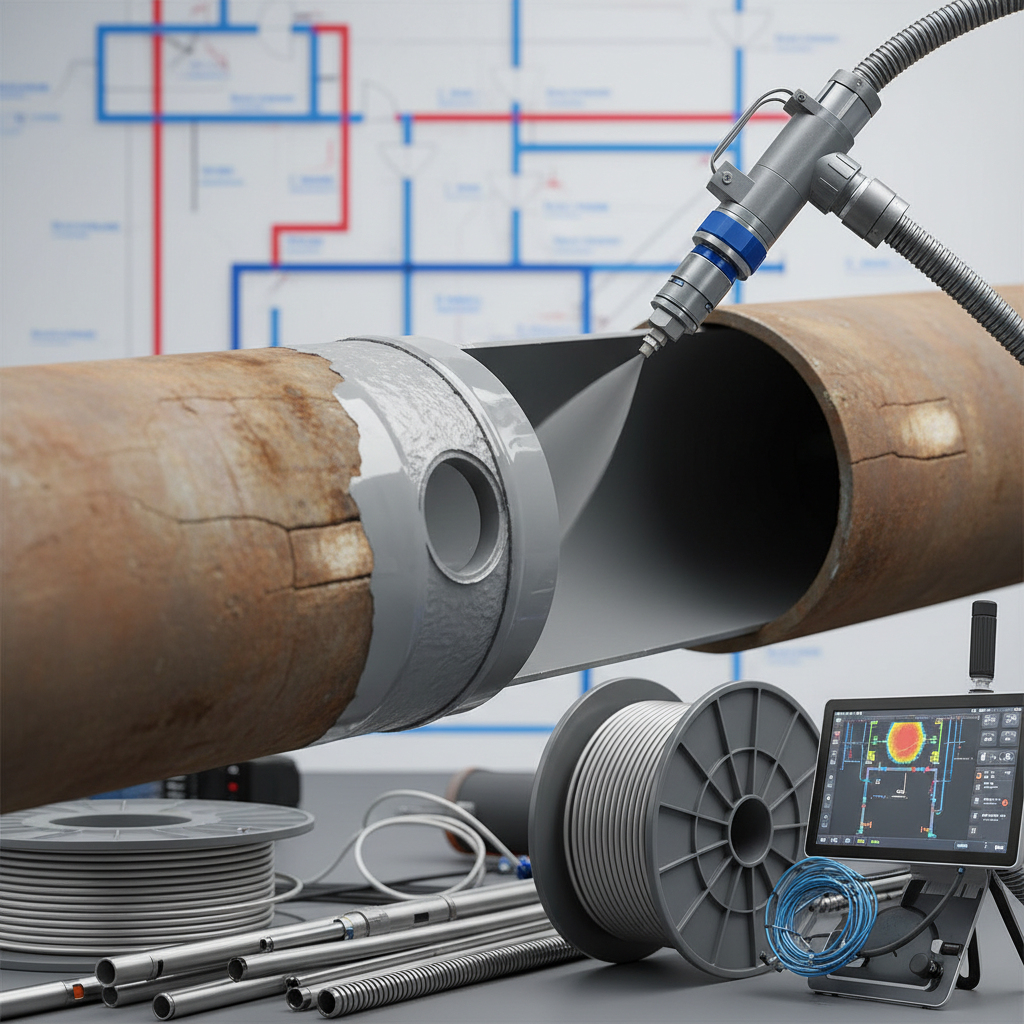
Understanding the different types of internal sewer pipe damage is crucial for effective repairs. Common issues include cracks, leaks, and blockages, which can stem from various factors such as tree root intrusion, corrosion, and improper installation. According to the American Society of Civil Engineers, about 35% of all sewer systems in the U.S. are nearing the end of their functional lifespan, highlighting the urgency for homeowners to understand these risks and their implications on both property and health.
When detecting pipe damage, it is essential to identify the signs early. Look for slow draining or water pooling, which may indicate a blockage. A report from the Environmental Protection Agency states that sewer backups cost homeowners approximately $7,000 on average to repair, emphasizing the importance of timely intervention.
Tip: Regular inspections using video camera technology can help locate the exact nature of pipe issues before they escalate.
Additionally, understanding the impact of different damage types aids in choosing the right repair method. For example, small cracks might be efficiently addressed with epoxy lining, while larger breaks may necessitate full pipe replacement. Cost estimates can vary widely, from $1,500 for minor repairs to $15,000 for complex interventions, underscoring the need for proactive maintenance.
Tip: Establish a routine maintenance schedule to catch potential problems early and mitigate expensive repairs later on.
Essential Tools and Equipment for Internal Sewer Pipe Repair: A Complete List
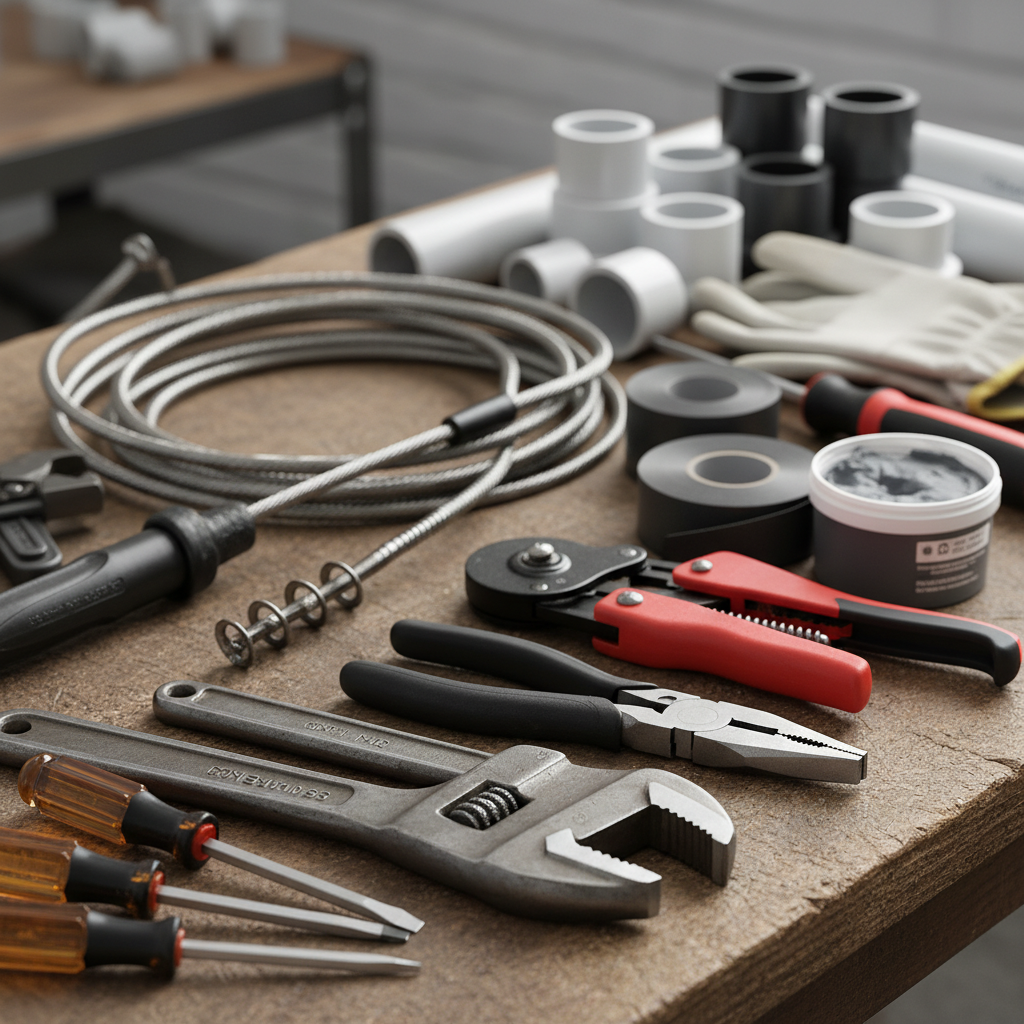
To effectively repair internal sewer pipes, having the right tools and equipment is crucial. A sturdy set of hand tools, including a pipe wrench, pliers, and screwdrivers, is essential for loosening and tightening fittings. Additionally, a high-quality drain auger or plumber's snake will help in clearing blockages, making it easier to assess the condition of the pipes. For sealing leaks, pipe repair tape and epoxy putty are invaluable for quick fixes, while a pipe cutter will be necessary for more extensive repairs involving the replacement of damaged sections.
In terms of safety equipment, gloves and goggles should always be worn to protect against harmful substances and debris. It is also wise to have access to a wet/dry vacuum to handle any spills or excess water during the repair process. Additionally, consider investing in a sewer camera to inspect the interior of pipes without the need for invasive procedures. This comprehensive list of tools and equipment will ensure that you are well-prepared to tackle any internal sewer pipe repairs efficiently and effectively.
Step-by-Step Guide to Repairing Common Types of Sewer Pipe Damage
Repairing internal sewer pipes can seem daunting, but with the right techniques and tools, it becomes manageable. Common types of sewer pipe damage include leaks, clogs, and cracks. To address these issues effectively, start by identifying the specific type of damage. For leaks, using a pipe-sealing tape can provide a quick fix. If the pipe is clogged, a plumbing snake or a high-pressure water jet can help clear the blockage.
**Tips**: Always use protective gear, including gloves and goggles, to safeguard against harmful bacteria present in sewer lines. For cracks, consider epoxy resin as a strong and durable solution that can bond with the pipe material, preventing further damage. Additionally, it's wise to take preventive measures, such as regular inspections and maintenance, to extend the lifespan of your sewer pipes.
For more severe damages, such as large cracks or significant structural issues, replacing the affected section may be necessary. When doing this, ensure that you have the correct pipe sizes and materials for seamless integration. Consulting with a professional plumber is advisable if you are unsure about the repairs, as they can offer expert advice and service for your specific situation.
How to Effectively Repair Internal Sewer Pipes: A Comprehensive Guide
| Damage Type |
Symptoms |
Repair Method |
Estimated Cost |
Time Required |
| Cracked Pipes |
Water leakage or damp spots |
Pipe lining or replacement |
$300 - $1,500 |
1 - 3 days |
| Corroded Pipes |
Frequent clogs and slow drainage |
Replace with PVC or similar material |
$400 - $2,000 |
2 - 5 days |
| Tree Root Intrusion |
Frequent backups and slow drains |
Rooter service or trenchless repair |
$150 - $1,000 |
1 - 3 days |
| Bellied Pipes |
Sewage backup |
Excavate and replace |
$3,000 - $7,000 |
3 - 7 days |
Best Practices for Maintaining Internal Sewer Pipes to Prevent Future Repairs
Maintaining internal sewer pipes is crucial for preventing costly repairs and ensuring the longevity of your plumbing system. According to the Environmental Protection Agency (EPA), regular maintenance can reduce the risk of sewer line failure by up to 50%. One of the best practices is to conduct routine inspections and cleanings, ideally at least once a year. This involves using video inspection technology to assess the interior condition of the pipes, allowing for early detection of blockages or damage that could lead to more significant issues down the line.
Another essential maintenance practice is to monitor the flow of water in your pipes. A notable report from the American Society of Civil Engineers highlights that 80% of sewer pipe failures stem from sediment buildup and blockages. Homeowners should be vigilant about what goes down the drain; items such as grease, coffee grounds, and personal hygiene products can accumulate and exacerbate problems. Implementing simple habits, like using drain screens and being mindful of the waste you dispose of, can significantly prolong the health of your internal sewer pipes and minimize the frequency of emergency repairs.
Internal Sewer Pipe Repair Cases by Year
Evaluating Cost-Effectiveness of DIY vs. Professional Internal Sewer Pipe Repairs
When considering internal sewer pipe repairs, homeowners often grapple with the decision of whether to tackle the task themselves or hire a professional. The cost-effectiveness of each option largely depends on the complexity of the repair, the tools already available, and the homeowner's level of expertise.
DIY repairs can save significant labor costs, especially for minor issues like pipe clogs or small leaks. However, they demand a good understanding of plumbing systems and can lead to costly mistakes if not approached with care.
On the other hand, employing a professional plumber typically incurs higher upfront costs, but it guarantees a level of expertise and assurance that can prevent future complications. Professionals bring specialized tools and knowledge, which can expedite the repair process and ensure compliance with local plumbing codes.
For complicated leaks, extensive corroded pipes, or if the homeowner lacks confidence in their skills, the investment in professional help often pays off in the long run through reduced chances of future repairs and associated costs. Thus, evaluating the specific situation is crucial to determine which approach is more cost-effective.