Top 5 Effective Methods for Internal Sewer Pipe Repair You Need to Know
In the realm of urban infrastructure, maintaining the integrity of sewer systems is paramount. Internal sewer pipe repair is a crucial aspect that directly impacts public health and environmental safety. According to the American Water Works Association (AWWA), nearly 240,000 water main breaks occur annually in the United States alone, underlining the urgent need for effective repairs and maintenance in underground plumbing systems. Furthermore, a report by the National Association of Sewer Service Companies (NASSCO) indicates that aging sewer infrastructure costs municipalities billions in repairs and lost revenue, making it essential for property owners and city planners alike to prioritize effective methodologies for repair.
With innovative technologies emerging, traditional repair methods are evolving to focus on minimizing disruption and enhancing efficiency. Techniques such as trenchless repair not only reduce the labor and time involved but also preserve the surrounding environment and existing structures. As we delve into the top five effective methods for internal sewer pipe repair, it is vital to understand these strategies' significance in preventing further deterioration and ensuring the longevity of underground sewer systems. Through these insights, stakeholders can make informed decisions that enhance the resilience and sustainability of their sewer infrastructure.
Innovative Trenchless Technology for Seamless Sewer Pipe Repair
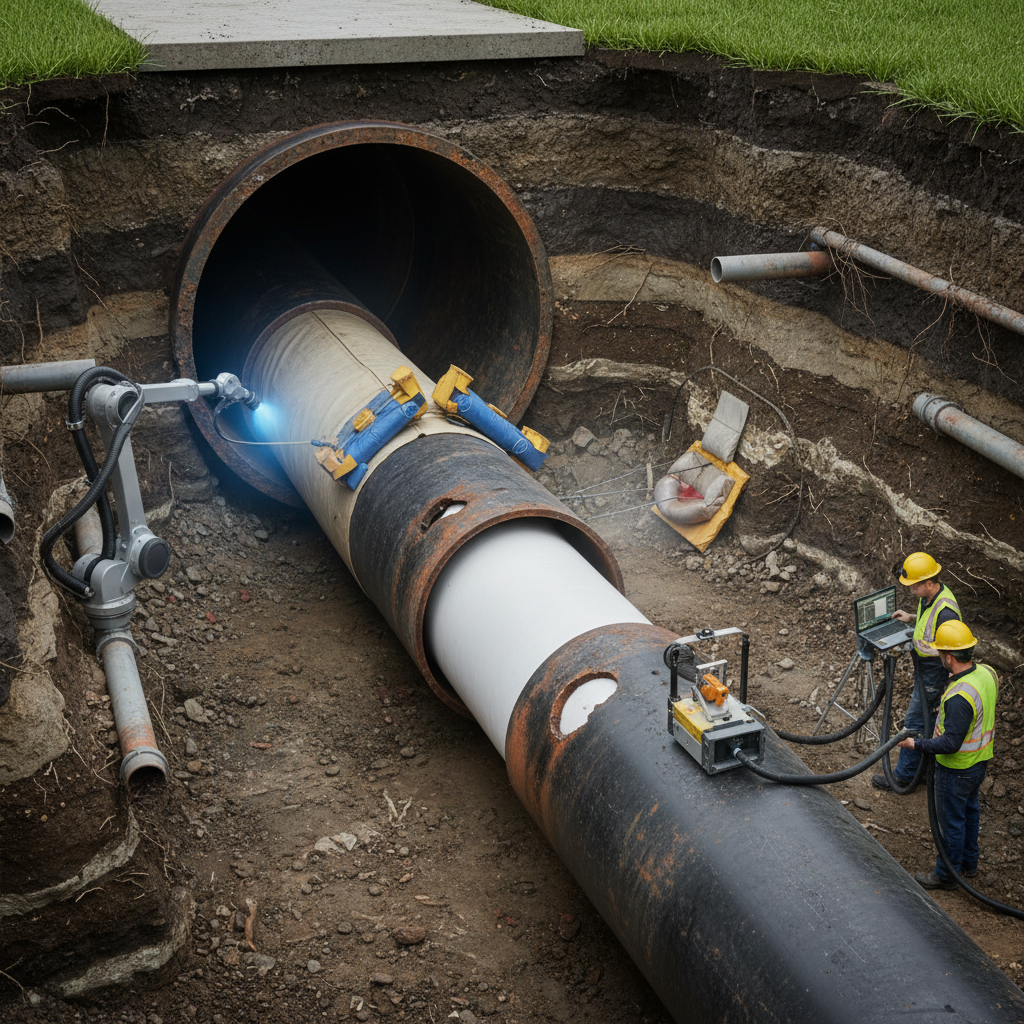
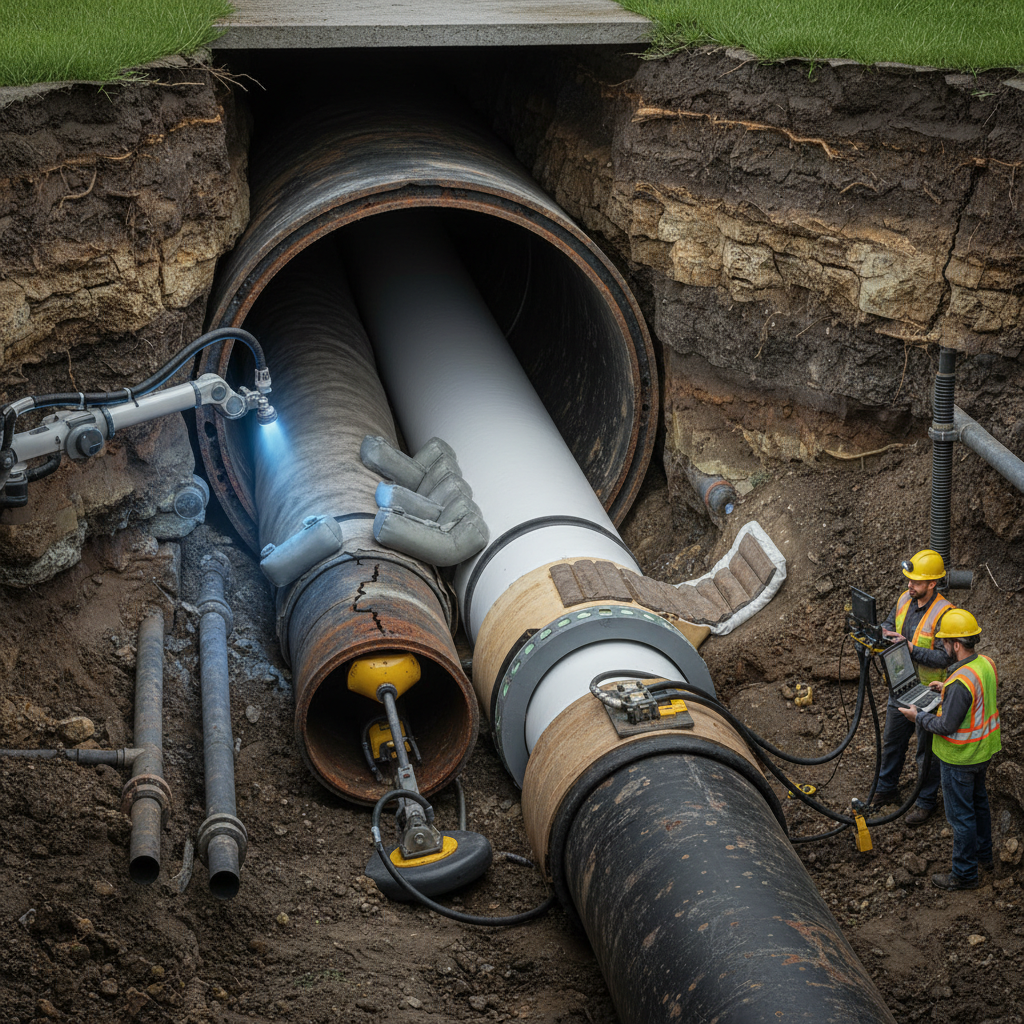 Innovative trenchless technology has revolutionized the way we approach sewer pipe repair, eliminating the need for extensive excavation. This method utilizes advanced techniques such as pipe bursting and slip lining, enabling repairs to be conducted with minimal disruption to the surrounding environment. By creating small access points, professionals can quickly and efficiently address issues like leaks, blockages, or deteriorated pipes without the tedious task of digging up entire yards or streets.
One of the standout advantages of trenchless technology is its efficiency. Time and labor costs are significantly reduced, as the process can often be completed in a fraction of the time it would take for traditional repair methods. Additionally, the ecological impact is lessened since there’s no need to uproot landscaping or disrupt the existing infrastructure. Homeowners and municipalities alike are increasingly adopting these innovative methods, enjoying a seamless and hassle-free solution for their sewer pipe repair needs while also extending the lifespan of their sewer systems.
Understanding the Benefits of Epoxy Lining for Internal Pipe Rehabilitation
Epoxy lining has emerged as a leading method for internal pipe rehabilitation, particularly highlighted in the context of reducing the costs and disruptions often associated with traditional pipe replacement methods. Recent trends indicate a significant shift in the North American trenchless pipe rehabilitation market, projected to grow from $1.97 billion in 2025 to an impressive $3.05 billion by 2032. This robust growth underscores the increasing reliance on innovative solutions like epoxy lining, which not only mitigates the need for extensive excavation but also enhances the lifespan of existing infrastructure.
Moreover, the use of epoxy lining aligns with evolving government regulations aimed at reducing lead in water systems, pushing both public and private sectors towards compliant, lead-free solutions. Technologies such as cured-in-place pipe (CIPP) rehabilitation have gained traction, showcasing impressive mechanical properties and effectiveness in maintaining pipeline integrity. A comparative analysis of CIPP and spray-applied lining techniques emphasizes the versatility and durability offered by epoxy materials, making them invaluable in manhole and pipeline rehabilitation efforts across urban environments. As industries continue to innovate, methods like epoxy lining will play a pivotal role in ensuring safe, efficient, and cost-effective infrastructure repairs.
Utilizing Pipe Bursting Techniques for Effective Sewer Line Replacement
Pipe bursting is becoming an increasingly popular choice for sewer line replacement due to its effectiveness and minimal disruption to the surrounding area. This trenchless method has been in use for over 30 years, allowing for the replacement of old, damaged sanitary sewer pipes without the need for extensive excavation. By using high-pressure technology to break apart the existing pipes while simultaneously installing new ones, this technique significantly reduces costs and limits the inconvenience that construction activities typically impose on communities.
Recent projects, such as Laredo’s $11.3 million waterline replacement, highlight the advantages of pipe bursting. Not only does it enhance the efficiency of repairs, but it also addresses environmental concerns by minimizing land disturbance. Cities like Robinson are adopting this method to upgrade their sewer systems, as it allows for larger pipes that can accommodate increased capacity. The shift towards trenchless technologies like pipe bursting reflects a broader move towards sustainable practices in infrastructure development, advancing both community needs and environmental stewardship.
Top 5 Effective Methods for Internal Sewer Pipe Repair
The Role of CCTV Inspection in Identifying Sewer Pipe Issues
CCTV inspection plays a pivotal role in identifying issues within sewer pipes, providing a modern solution to traditional methods of diagnosis. By utilizing high-resolution cameras, professionals can insert these devices into the sewer system, allowing for a comprehensive visual assessment of the pipe's condition. This method enables the detection of blockages, cracks, and other structural damages without the need for invasive digging or extensive disruption to the surrounding area. The real-time footage offers clear evidence of the current state of the pipes, which can facilitate informed decision-making regarding necessary repairs.
Moreover, the insights gained from CCTV inspections can significantly enhance the effectiveness of subsequent repair methods. Once the specific problems are identified, targeted solutions can be employed, minimizing the potential for future failures. This proactive approach not only saves time and money but also extends the lifespan of the sewer system. As property owners and municipalities increasingly recognize the advantages of utilizing CCTV technology, it continues to transform sewer maintenance strategies, resulting in cleaner, safer, and more efficient waste management systems.
Top 5 Effective Methods for Internal Sewer Pipe Repair
| Method |
Description |
Advantages |
Disadvantages |
Cost Estimate |
| CCTV Inspection |
Using cameras to inspect the interior of pipes for damage or blockages. |
Non-invasive, accurate diagnosis, saves time. |
Initial costs can be high. |
$300 - $800 |
| Trenchless Technology |
Repairing pipes without extensive digging. |
Minimizes surface disruption, faster installation. |
Limited to certain pipe conditions. |
$4,000 - $20,000 |
| Epoxy Pipe Lining |
Involves inserting a resin lining to rehabilitate the inner pipe surface. |
Durability, reduced risk of future issues. |
Cannot fix collapsed pipes. |
$80 - $250 per foot |
| Pipe Bursting |
Involves breaking the old pipe while simultaneously installing a new one. |
Effective for replacing damaged pipes. |
Requires significant excavation. |
$60 - $200 per foot |
| Hydro Jetting |
Using high-pressure water jets to clear blockages. |
Thorough cleaning, can remove buildup. |
May not fix structural issues. |
$300 - $600 |
Comparing Traditional vs. Modern Methods for Internal Sewer Pipe Repair
The comparison between traditional and modern methods for internal sewer pipe repair highlights significant advancements in technology and efficiency. Traditional approaches often involve extensive excavation, leading to considerable disruption and higher costs. In contrast, modern techniques, such as trenchless technology, minimize the need for digging, allowing for repairs to be carried out with less impact on surrounding environments. This shift not only speeds up the repair process but also offers a more environmentally friendly solution.
The growth of the trenchless rehabilitation market underscores the increasing adoption of these modern methods. With projections indicating a rise in market value from $4.91 billion in 2025 to $6.86 billion by 2032, it is clear that the demand for innovative sewer pipe repair solutions is on the rise. This trend reflects a growing awareness of the benefits of trenchless technologies, including cost savings and reduced repair times. As companies continue to invest in advanced rehabilitation options, property owners can expect more efficient and less invasive methods to address their plumbing needs.