How to Compare VTOL Drone Prices in 2026?
Comparing VTOL drones in 2026 requires more than scanning a supplier’s headline figure. The advertised Vtol Drone Price may cover only the airframe, motors, and basic flight controller. Batteries, ground stations, payload mounts, training, shipping, and software can change the final budget sharply. A professional comparison should separate purchase cost from operating cost. That distinction prevents a $25,000 drone from appearing cheaper than a better-equipped $32,000 system.
Real specifications matter. A drone claiming 120 minutes of endurance may achieve less with wind, cold temperatures, or a heavy camera. Ask for flight-test conditions, payload weight, battery cycle data, and warranty terms. Check whether the quoted price includes spare propellers, replacement batteries, firmware support, and repair access. Small details matter. An experienced operator should also examine launch space, survey workflow, and pilot training requirements before choosing a model.
Reliable research combines manufacturer documents, authorized dealer quotations, independent reviews, and user feedback from comparable missions. Prices can vary by region, currency, certification, and production volume, so one online listing is not enough evidence. Some comparisons remain imperfect because suppliers publish different specifications. That weakness should be acknowledged, not hidden. This guide explains how to build a fair 2026 comparison, calculate ownership costs, and identify whether a lower Vtol Drone Price genuinely represents better value. The goal is not the cheapest aircraft. It is a dependable platform with transparent costs, suitable performance, and support that remains useful after delivery.
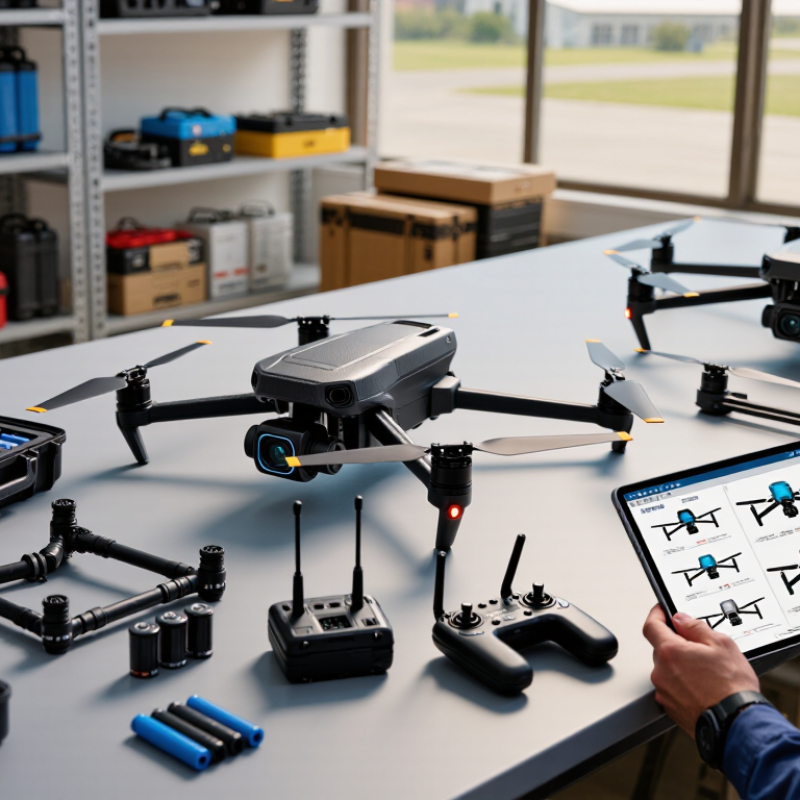
VTOL Drone Types and Their Typical Price Ranges in 2026
VTOL drones vary widely in price because their flight systems serve different jobs. Basic electric multirotors usually cost between $1,500 and $8,000 in 2026. They suit mapping, inspection, and short-range photography. Professional multirotors often range from $8,000 to $30,000. Their prices reflect stronger cameras, obstacle sensing, longer endurance, and rugged airframes.
Fixed-wing VTOL drones typically cost $10,000 to $50,000. They launch vertically, then cruise efficiently like airplanes. This design suits farmland surveys, coastline mapping, and large-area inspections. Hybrid and tilt-rotor models can range from $25,000 to more than $150,000. Their mechanical systems are more complex. Heavy-lift VTOL platforms may exceed $100,000, especially with advanced navigation, redundant motors, and specialized payloads. Payload matters greatly. A thermal camera, laser scanner, or delivery mechanism can add thousands of dollars. Batteries, spare propellers, charging equipment, training, insurance, and software may not appear in the advertised price. Ask for the complete operating cost.
My early budget estimates were too optimistic. The aircraft was affordable, but replacement batteries changed the calculation. Buyers should compare flight time, usable payload, maintenance hours, and support quality beside the purchase price. A lower-cost drone may become expensive when wind performance is poor or repairs require overseas shipping. Price ranges are useful, but real operating conditions matter more.
How to Compare VTOL Drone Costs Across Different Models
Comparing VTOL drone costs requires more than reading the airframe price. Start with the mission: mapping, inspection, emergency response, or long-range surveying. A compact electric VTOL model may cost about $8,000–$25,000. Larger systems with extended endurance can exceed $100,000. These figures reflect typical procurement ranges, not fixed retail prices.
Look beyond the aircraft. Batteries, ground-control equipment, sensors, training, insurance, and maintenance can change the final budget sharply. A thermal camera may add several thousand dollars. Extra batteries also matter. According to MarketsandMarkets’ 2024 VTOL UAV study, the sector is projected to grow at a double-digit compound annual growth rate through 2029. That growth can improve component availability, but it may not reduce professional system prices.
Compare models using cost per flight hour and cost per surveyed square kilometer. A $20,000 aircraft may appear cheaper, yet frequent battery replacement and limited wind tolerance can raise operating costs. A larger platform may complete the same survey with fewer flights. That is useful. Sometimes, though, its launch equipment needs two trained operators. The spreadsheet can mislead. Grand View Research reported strong expansion in the commercial drone market during the decade, but broad market growth does not guarantee equal value across every VTOL category. Request service intervals, software fees, payload limits, and documented endurance tests before choosing. Field conditions often differ from laboratory claims.
How to Compare VTOL Drone Prices in 2026?
Indicative 2026 market purchase-price ranges are shown in USD and grouped by aircraft size and mission capability. Micro and small electric VTOL drones generally cost less, while mid-size hybrid and heavy-lift systems require higher investment because of larger payload capacity, longer endurance, avionics, batteries, and ground-support equipment. Final costs may vary with payload sensors, software, training, shipping, and regulatory requirements.
Additional Expenses Beyond the Purchase Price
How to Compare VTOL Drone Prices in 2026?
Additional Expenses Beyond the Purchase Price
When comparing VTOL drone prices in 2026, the purchase price is only the opening figure. Additional expenses beyond purchase price can reshape an entire project budget. A lower-priced aircraft may require costly batteries, specialized chargers, or extra ground equipment. One spare battery can cost hundreds of dollars. Small costs accumulate.
Battery replacement deserves careful attention. Frequent flights may shorten battery service life, especially in cold or dusty conditions. Operators also need inspection tools, replacement propellers, structural checks, and secure storage. Routine maintenance may seem minor, but neglected parts can cause expensive downtime. That assumption can fail.
Training is another practical expense. Pilots need flight practice, emergency procedures, and payload-handling skills. Some teams also pay for software subscriptions, data storage, mapping services, and technical support. Insurance, transport cases, and lawful operational approvals may add recurring fees. Remote missions can require extra staff and field vehicles. I would also budget for weather delays, because schedules rarely remain perfect. A realistic comparison should list yearly operating costs, not just the invoice total. A spreadsheet with low, expected, and high estimates is useful.
The high estimate is uncomfortable. It is often the honest one.
A Practical Framework for Evaluating VTOL Drone Value
How to Compare VTOL Drone Prices in 2026?
A practical value assessment starts beyond the aircraft’s purchase price. Commercial Drone Industry Insights projected the global commercial drone market to reach about US$54.6 billion by 2030. However, broad market growth does not prove that every VTOL platform offers good value. Compare payload, flight endurance, launch space, and recovery requirements under the same mission conditions. A platform carrying 3 kilograms for 90 minutes may outperform a cheaper aircraft carrying 1 kilogram for 45 minutes. Field experience often exposes this gap.
Calculate total cost of ownership over three years. Include batteries, charging equipment, pilot training, maintenance, software, insurance, transport, and replacement parts. Grand View Research reported strong growth in commercial drone demand, with double-digit annual expansion projected for several application segments. That growth may reduce component costs, but specialized batteries and certified communications equipment can remain expensive. Request service prices in writing. Ask how quickly damaged parts can be supplied.
Do not trust endurance figures alone. Wind, cold temperatures, payload weight, and repeated vertical takeoffs can reduce real flight time. Test two aircraft on the same route, with the same payload and weather conditions. Record usable minutes, not advertised minutes. My own comparison would also score data quality, operator workload, and maintenance access. This is less tidy, but more honest. A low-cost aircraft can become costly after frequent battery replacement. A high-priced system can still fail if its software is difficult to use. Definitions in market reports differ, so every quoted figure deserves careful checking.