What is CIPP Sewer Repair? Benefits, Process, and Costs Explained
CIPP sewer repair, or Cured-In-Place Pipe repair, is an innovative and effective method used to rehabilitate aging sewer systems without the need for extensive excavation. This trenchless technology offers a host of benefits, making it an increasingly popular choice for municipalities and property owners alike. The repair process involves inserting a flexible liner coated with a curing resin into existing pipes, which is then inflated and cured in place, forming a durable, seamless pipe wall within the old pipe.
One of the key advantages of CIPP sewer repair is its minimal disruption to the surrounding environment, allowing repairs to be completed quickly and efficiently. Additionally, this method can extend the lifespan of sewer systems significantly, reducing the need for frequent maintenance and costly replacements. Understanding the benefits, process, and costs associated with CIPP sewer repair is essential for anyone looking to address sewer issues effectively. As this technology continues to advance, it becomes an increasingly appealing option for maintaining our vital infrastructure, ensuring that our sewer systems operate smoothly and reliably.

What is CIPP Sewer Repair and How Does It Work?
CIPP (Cured-In-Place Pipe) sewer repair is an innovative solution designed to rehabilitate existing sewer lines without the need for extensive excavation. This process involves the insertion of a flexible liner saturated with a resin into the damaged pipe section. Once in place, the liner is inflated and cured, typically using steam or hot water, which causes the resin to harden and form a durable, pipe-within-a-pipe structure. This method effectively seals any cracks or holes and extends the lifespan of the sewer system.
The primary advantage of CIPP sewer repair is its minimal disruption to the surrounding environment. Traditional methods often require digging up roads or landscaping, resulting in significant inconvenience and cost. However, CIPP allows for repairs to be conducted through existing access points, preserving the surface above. Additionally, the cured liner is resistant to corrosion and tree root intrusion, which can further enhance the longevity of the infrastructure, making it a cost-effective solution in the long run. Over time, this technology not only reduces maintenance needs but also improves the overall efficiency of the sewer system, making it a preferred choice among modern repair techniques.
CIPP Sewer Repair Cost Analysis
This chart illustrates the breakdown of costs associated with CIPP (Cured-In-Place Pipe) sewer repair. The main cost components include materials, labor, equipment, permits, and contingency fees. Understanding these costs can help in planning and budgeting for sewer repair projects effectively.
Key Benefits of CIPP Sewer Repair for Homeowners
CIPP (Cured-In-Place Pipe) sewer repair presents numerous advantages for homeowners facing deteriorating sewer systems. One of the primary benefits is the minimal disruption it causes to one's property. Unlike traditional excavation methods that can lead to extensive yard and landscape damage, CIPP involves inserting a flexible liner into the existing pipe, which is then inflated and cured to form a new pipe within the old one. This process significantly reduces the need for digging, preserving the integrity of your landscaping and outdoor features.
Another key benefit of CIPP sewer repair is its cost-effectiveness over time. By effectively sealing leaks and preventing further degradation of the sewer system, CIPP helps homeowners avoid the potentially exorbitant costs associated with traditional repairs, which often require full pipe replacement. Furthermore, the enhanced durability of the new, cured pipe can extend the life of your sewer system, leading to decreased maintenance and repair expenses in the future. With a quick installation process and long-lasting results, CIPP sewer repair stands out as a beneficial choice for homeowners looking to protect their property and investments.
Step-by-Step Process of CIPP Sewer Lining Installation
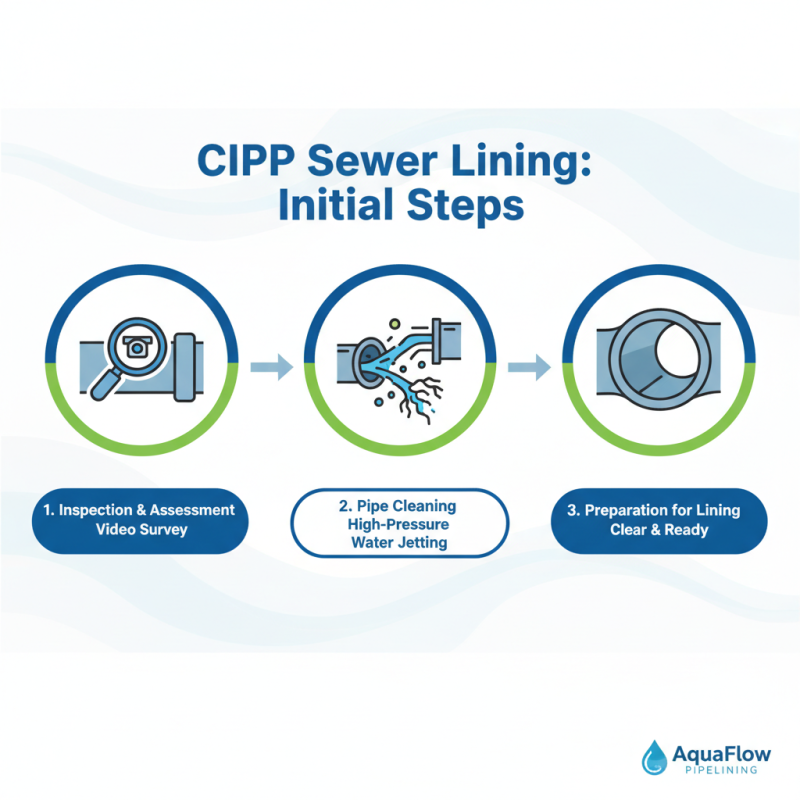
The installation of CIPP (Cured-in-Place Pipe) sewer lining is a sophisticated process designed to repair existing pipelines without the need for extensive excavation. The process begins with a thorough inspection of the sewer system, often using video technology to identify any damage, blockages, or structural weaknesses. Once the condition of the pipes is assessed, the next step involves cleaning the interior of the pipes, which may include methods like high-pressure water jetting to remove debris, roots, and buildup that could hinder the installation.
After preparation, a flexible liner saturated with resin is inserted into the damaged pipe. This liner is typically slipped into place using air pressure or water, ensuring it conforms to the pipe's interior walls. Subsequently, the resin within the liner is cured, usually by applying heat or ultraviolet light. This curing process solidifies the resin, creating a strong and seamless new pipe within the old one. Finally, once cured, the pipe is inspected again to confirm that the repair is complete and functional, ensuring a restored and durable sewer system without the disruption of traditional excavation methods.
Cost Analysis: CIPP Sewer Repair vs. Traditional Methods
CIPP sewer repair, which stands for Cured-in-Place Pipe repair, offers a modern alternative to traditional methods of pipeline restoration. When comparing costs, it's essential to consider both upfront expenses and long-term savings. Traditional repair methods often involve extensive excavation, which can significantly increase labor and material costs. In contrast, CIPP repair typically requires less invasive techniques, reducing the amount of disruption to surrounding infrastructure and the costs associated with restoring the site post-repair.
In addition to lower immediate costs, CIPP repair can lead to substantial long-term savings. This method often results in a more durable solution, reducing the frequency and expense of future repairs. Moreover, the quick installation process minimizes downtime, meaning that businesses or homeowners experience less disruption. While initial costs may vary depending on factors like the size of the pipeline and the extent of repairs needed, the overall value of CIPP sewer repair often outweighs that of more traditional methods, making it a smarter choice for many property owners seeking efficiency and durability.
Success Rates and Industry Standards for CIPP Repair Techniques
CIPP (Cured-in-Place Piping) sewer repair techniques have gained significant traction in the industry due to their impressive success rates and adherence to stringent industry standards. This trenchless method allows for the rehabilitation of existing pipelines without the need for extensive excavation, minimizing disruption both above and below ground.
The innovative process involves inserting a resin-saturated liner into the damaged pipe, which is then cured to form a new pipe within the existing one. Observations show that CIPP repairs often achieve success rates exceeding 95%, making them a reliable choice for homeowners and municipalities aiming to extend the lifespan of their sewer systems.
When considering CIPP repair, it's essential to be aware of industry standards that ensure a quality outcome. The National Association of Sewer Service Companies (NASSCO) provides guidelines that help service providers maintain consistency and effectiveness in their repair work. Potential users should verify that their contractors comply with these standards to ensure the best possible results.
Tips: Before commencing with CIPP repairs, homeowners should consult multiple contractors to understand the scope of the work and obtain a detailed estimate. Additionally, inquiring about previous projects and success stories can give valuable insight into the contractor’s experience and reliability. Regular maintenance of sewer systems post-repair can also help in assessing the condition of the pipes and prolonging the benefits of the CIPP technique.