How to Choose the Best Pressure Spray Dryer for Your Needs?
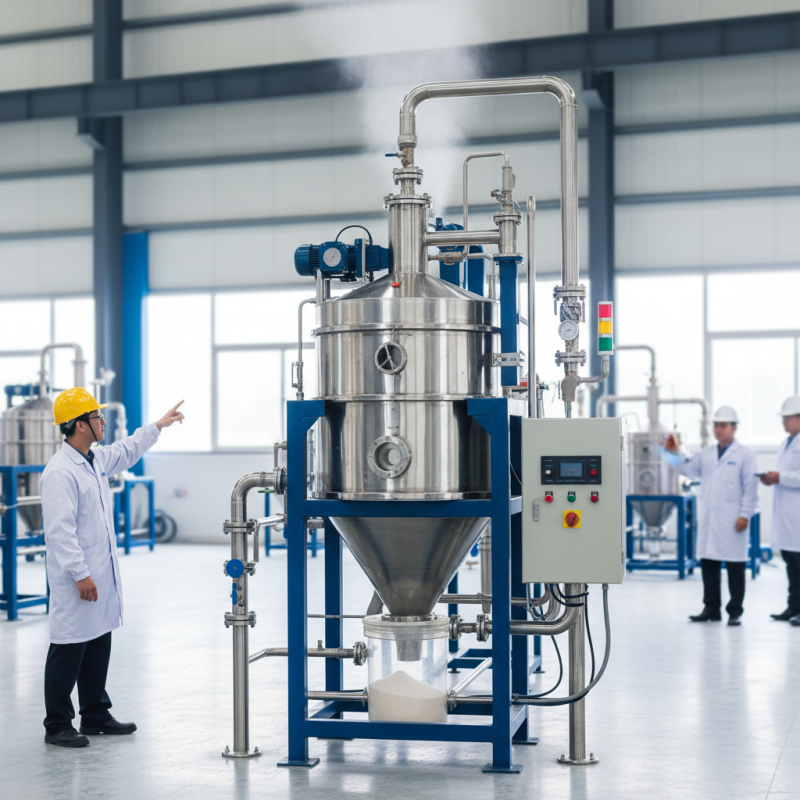
Choosing the right Pressure Spray Dryer is critical for your production needs. A suitable model can enhance efficiency and product quality. However, navigating the options can be daunting. Various factors impact which dryer suits your needs best.
Consider your material's properties. Some items behave differently under pressure. Look for a dryer designed to handle your specific substances. You might also face challenges like capacity requirements and energy efficiency. Each feature affects overall performance and operational costs.
Understanding industry standards helps establish reliability. Research manufacturers known for quality and durability. Trustworthy brands often provide better support and maintenance. Reflecting on your experience with similar equipment can guide your decision-making process. Balancing innovation with practical needs is vital. This journey will undoubtedly require adjustments and continuous evaluation.
Understanding Pressure Spray Drying and Its Applications
Pressure spray drying is a vital process in many industries, especially food and pharmaceuticals. It transforms liquid solutions into fine powder. This method is recognized for maintaining product quality while enhancing shelf life. Understanding its applications is essential for making informed choices.
When selecting a pressure spray dryer, consider your specific needs. Different industries require different capabilities. For example, food products may need precision in temperature control to preserve flavors and nutrients. In contrast, pharmaceutical applications may demand strict compliance with purity standards.
Tips: Always assess the material properties you want to dry. Consider viscosity, heat sensitivity, and desired particle size. Engage with experts who understand your material requirements. Operating conditions also matter. Explore the drying chamber design and airflow patterns to optimize efficiency. The right choice contributes to better product quality and operational success.
Key Factors to Consider When Selecting a Pressure Spray Dryer
When selecting a pressure spray dryer, various key factors play a critical role. Begin with the type of material you plan to dry. Different materials require distinct operating conditions. For instance, sensitive compounds may need lower temperatures to preserve quality. Understanding your material ensures the equipment suits your specific requirements.
Another crucial consideration is the dryer’s capacity. This is determined by your production needs. Small-scale operations might benefit from a compact design, while larger manufacturers may need a more extensive setup. This choice impacts not only space but also energy consumption. Assess the efficiency of the dryer. A more efficient machine could save costs in the long run, even if the initial investment is higher.
Lastly, do not overlook the ease of maintenance. A complex system may lead to downtime if not adequately managed. Consider the availability of parts and service. Reflect on your team’s skills and how comfortable they are with handling the equipment. Taking time to evaluate these elements can lead to better operational success in the long term.
Comparing Different Types of Pressure Spray Dryers
When selecting a pressure spray dryer, it's essential to compare the different types available. Each type offers unique features that may fit various processing needs. For instance, the two main categories are rotary atomizers and nozzle atomizers. Rotary atomizers excel in uniform particle size, while nozzle atomizers are great for smaller batches.
Industry reports suggest that the global market for pressure spray dryers is projected to grow by 5.2% annually. This growth highlights the increasing demand for efficient drying solutions. Businesses often wrestle with choosing the right type. It's critical to analyze your production size and the required moisture content of the final product. Evaluating these parameters helps in making an informed decision.
Tip: Always check the drying capacity and energy consumption of the equipment. These factors can directly impact your operational costs.
The choice also depends on the materials being processed. For heat-sensitive materials, opt for drying systems with lower inlet temperatures. Not all dryers handle delicate substances well. Therefore, assessing your material’s characteristics is crucial.
Tip: Conduct a pilot test before full-scale implementation. Testing can reveal unseen challenges and offer valuable insights into performance.
How to Choose the Best Pressure Spray Dryer for Your Needs? - Comparing Different Types of Pressure Spray Dryers
| Type | Typical Applications | Drying Temperature (°C) | Feed Rate (kg/h) | Energy Efficiency (%) | Maintenance Needs |
| High-Pressure Spray Dryer | Food Products, Chemical Powders | 150 - 250 | 100 - 500 | 85 | Medium |
| Low-Pressure Spray Dryer | Pharmaceutical Products, Personal Care | 100 - 150 | 50 - 300 | 90 | Low |
| Micro Spray Dryer | Research, Nutraceuticals | 50 - 100 | 1 - 10 | 75 | High |
| Batch Spray Dryer | Specialized Chemicals, Small Batches | 120 - 180 | 20 - 100 | 80 | Medium |
| Continuous Spray Dryer | Mass Production, Dairy Powders | 180 - 260 | 200 - 1000 | 82 | High |
Evaluating the Efficiency and Costs of Pressure Spray Dryers
When selecting a pressure spray dryer, efficiency and cost are crucial factors. Efficiency determines how much energy is wasted during the drying process. In contrast, costs include both initial investment and operating expenses. Assessing these can save money and improve productivity over time.
Tips: Analyze energy consumption by reviewing specifications. Look for dryers that maximize output while minimizing heat loss. This can lead to substantial savings.
Additionally, consider maintenance costs. Regular upkeep is vital to ensure efficiency. Cheaper dryers may incur higher long-term expenses. Evaluate repair records and parts availability for each model. Proper research here can prevent unexpected expenses down the line.
Not every dryer is perfect. Some may have high initial costs but lower operational efficiency. Reflecting on specific needs can uncover the best fit. Balancing performance with budget constraints requires careful thought. Each industry has unique requirements, so what works in one area might not in another.
Maintenance and Support for Your Chosen Spray Dryer
When selecting a spray dryer, maintenance and support play crucial roles in ensuring optimal performance. Regular maintenance can extend the lifespan of your equipment. A well-maintained dryer reduces the likelihood of unexpected breakdowns. Regular inspections can reveal small issues before they escalate. Cleaning components like nozzles and filters is essential to avoid clogs. This task might seem tedious, but it is vital for consistent operation.
Support is equally important. Ensure that your supplier offers reliable customer service. Quick responses can save time and reduce downtime. Sometimes, you may encounter problems that are not straightforward. Having access to expert advice can be invaluable. Many users overlook the importance of training for operational staff. Lack of knowledge can lead to improper use and increased wear on the machine.
Additionally, consider spare parts availability. Some manufacturers may not stock essential components. This can lead to long waiting periods for repairs. Researching manufacturers' policies can save you trouble in the future. It’s important to reflect on these aspects when selecting a spray dryer. Choose wisely to ensure a smooth operation and avoid potential headaches down the road.