How to Choose the Best Commercial Faucet Handle for Your Business
Choosing the right Commercial Faucet Handle is crucial for any business that relies on effective plumbing. This decision impacts both functionality and aesthetics. A well-chosen faucet handle can enhance efficiency while ensuring ease of use for employees and customers alike.
Consider the different styles available. Each commercial setting may require a unique design to meet specific needs. For example, a restaurant may benefit from a high-arc faucet handle for better clearance, while an office might prioritize a sleek, modern look. Durability is another key factor. Handles must withstand daily use in busy environments without showing signs of wear.
Evaluate materials too. Stainless steel is a popular choice for its corrosion resistance. However, it may not always provide the best grip. Reflect on how often the handle will be used. Frequent handling can lead to poor functionality if the wrong type is selected. Taking the time to analyze these aspects can lead to a more informed choice, ensuring that the selected Commercial Faucet Handle meets the demands of your business effectively.
Understanding the Types of Commercial Faucet Handles Available
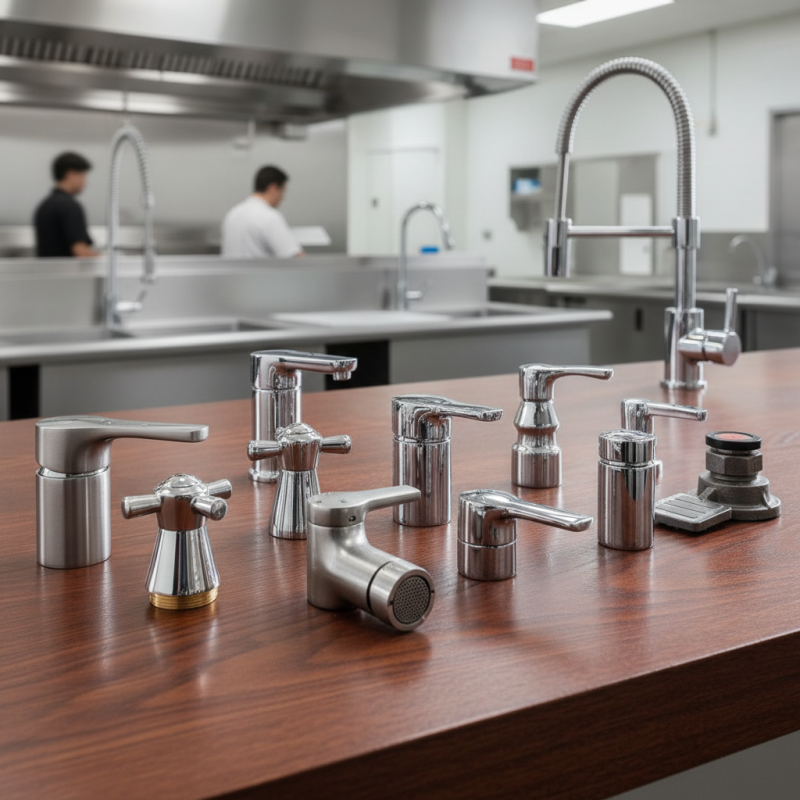
When selecting a commercial faucet handle, it's essential to understand the various types available. The main categories include compression, cartridge, and ball faucets. Compression faucets operate by twisting handles for water flow, while cartridge faucets use a cylindrical cartridge. Ball faucets are known for their single-lever mechanism that controls temperature and flow simultaneously.
Data from industry reports indicate that cartridge handles account for nearly 40% of commercial installations due to their reliability and ease of use. However, compression faucets remain popular in specific contexts, often because they are perceived as more durable. The choice may also impact maintenance costs, with cartridge handles generally requiring less frequent repairs.
Tip: Consider the environment where the faucet will be used. High-traffic areas benefit from robust designs, while other settings may not need as heavy-duty options.
An often-overlooked factor is ease of operation. Many users struggle with complicated handle movements, especially in busy kitchens. For guests not familiar with the mechanics, simpler designs can enhance the user experience.
Tip: Gather feedback from staff on their preference. Understanding daily usage can inform the best choice. Adapting to user needs creates a more streamlined workflow.
Evaluating Material Durability and Performance in Faucet Handles
When selecting a faucet handle for your business, evaluating material durability and performance is crucial. Faucet handles face daily wear and tear, especially in high-traffic areas. Stainless steel and brass are common choices because they resist corrosion and tarnishing. However, some materials may appear more appealing while lacking durability. Recognizing the balance between aesthetic appeal and functionality is essential.
Tips: Consider the environment where the faucet handle will be used. For outdoor settings, choose materials that withstand harsh weather. In high-moisture areas, opt for non-porous materials that prevent mold growth.
Performance matters as much as durability. Test the handles for smooth operation and comfort. If they are difficult to grip or leverage, they can frustrate users. Ensure that the chosen handle aligns with ergonomic standards.
Tips: Regularly inspect handles for signs of wear. Keeping them clean can prolong their lifespan. Gather feedback from staff to understand their experience with different handle types. This ongoing evaluation can reveal insights into which materials perform best over time.
Assessing Ergonomics and Ease of Use for Staff and Customers
When choosing commercial faucet handles, ergonomics should be a priority. A study by the American National Standards Institute found that improperly designed handles can lead to workplace injuries. Staff members often struggle with handles that require excessive force or awkward movements. For busy environments, ease of use is crucial. A simple, user-friendly design can enhance workflow and reduce strain.
Customer interactions also matter. Research shows that 70% of patrons value ease of access in commercial spaces. Faucet handles that are too high or difficult to grip can lead to frustration. A well-designed handle can improve customer satisfaction, encouraging repeat visits. Consider handles that accommodate a range of hand sizes. This attention to detail creates a welcoming experience for all customers.
Feedback from staff can highlight shortcomings in current setups. They may find certain handles uncomfortable during long shifts. Ergonomic assessments can uncover these issues, allowing for improvements. Ensuring that both staff and customers can use the faucets effortlessly leads to a more efficient environment, fostering a positive atmosphere. Investing time in this evaluation pays off in the long term.
How to Choose the Best Commercial Faucet Handle for Your Business
| Handle Type | Material | Ergonomics Rating (1-5) | Ease of Use (1-5) | Price Range |
| Lever Handle | Stainless Steel | 4 | 5 | $50 - $100 |
| Touchless Handle | Plastic | 5 | 5 | $100 - $200 |
| Knob Handle | Brass | 3 | 4 | $30 - $70 |
| Switch Handle | Aluminum | 4 | 3 | $40 - $90 |
Considering Aesthetic Appeal and Branding in Faucet Handle Selection
Choosing the right commercial faucet handle goes beyond functionality. The aesthetic appeal is crucial for branding. A well-chosen faucet handle can reflect your business's image. Think about the materials and finishes that resonate with your brand identity. Sleek stainless steel might suit modern cafes, while antique brass could enhance a rustic setting.
Color is another important factor. A color that matches your brand palette can create a cohesive look. However, selecting a trendy shade may not be wise if it clashes with your space. Often, businesses struggle with balancing current trends and timeless designs. Recognizing this is important for long-term brand consistency.
Design elements also play a pivotal role. Ergonomic handles offer both comfort and style. However, their appearance must align with the overall theme of your business. Consider how these handles interact with other fixtures. A disjointed design may lead to an uninviting atmosphere. Experimentation is key to finding the perfect balance between beauty and practicality.
Budgeting for Upgrade: Costs and Long-Term Benefits of Faucet Handles
Choosing the right commercial faucet handle can significantly impact your business's bottom line. While it may seem like a minor detail, the handle style and quality influence both customer experience and maintenance costs. According to industry reports, investing in higher-quality faucet handles can reduce replacement expenses by up to 30% over five years.
When budgeting for upgrades, consider long-term benefits. Quality faucet handles often improve staff efficiency, as they function smoothly in high-demand environments. Businesses that upgrade experience less downtime, leading to a better customer flow and higher satisfaction rates.
Tip: Assess the durability and maintenance requirements of faucet handles you are considering. A handle designed for longevity can save you money in the long run.
Also, it’s important to understand usage patterns in your business. Are you facing heavy foot traffic? If so, select robust options that withstand frequent use. Quality should be a priority, even if costs seem higher initially. Remember, a cheap handle may lead to recurring costs.