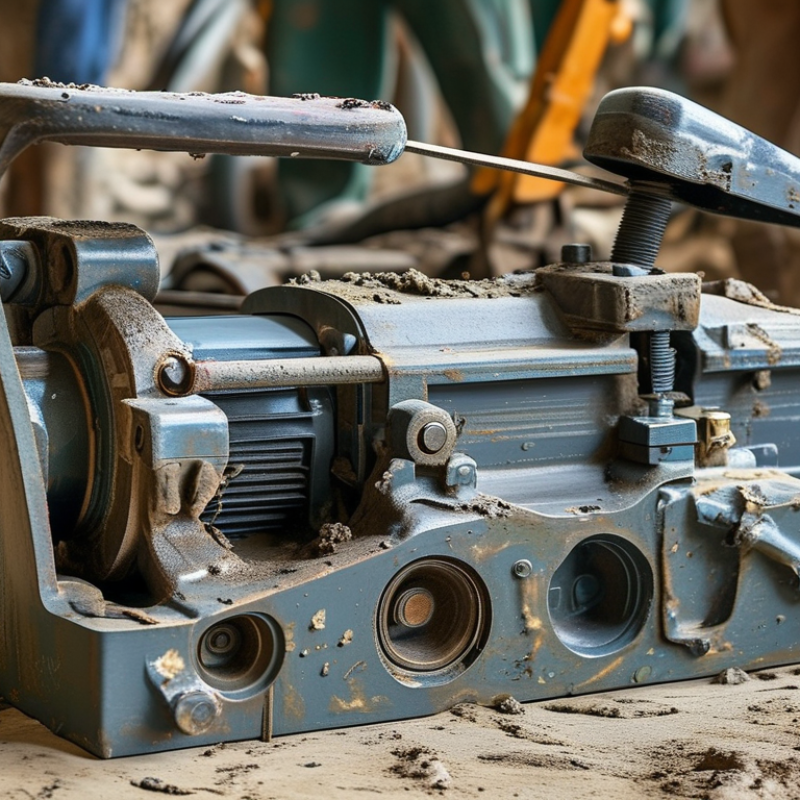
What to Consider When Choosing a Mud Pump Pulley?
Choosing the right Mud Pump Pulley is crucial for efficient drilling operations. The performance of a mud pump heavily relies on this component. A suitable pulley can enhance the pump's effectiveness and longevity.
When considering a Mud Pump Pulley, various factors come into play. You must assess load capacity and material quality. The size and design should match your specific pump model. These aspects are essential for optimum performance.
It’s important to reflect on potential pitfalls. Many overlook the compatibility with other equipment. This oversight can lead to inefficiencies and increased maintenance costs. Therefore, a well-informed choice is vital for the success of your drilling project.
Understanding the Functionality of Mud Pump Pulleys
When selecting a mud pump pulley, understanding its functionality is crucial. Mud pump pulleys are integral to the drilling process. They transmit power from the motor to the pump and affect efficiency. The right choice ensures effective mud circulation, which is vital for drilling operations.
Proper sizing is crucial; the pulley must match the motor's capabilities and the specific pump used. An oversized pulley may lead to inefficiencies, while one that is too small can overstrain the motor. Material choice also matters. A durable material can withstand harsh drilling conditions, while a lower-quality option may degrade quickly.
Additionally, the installation process shouldn't be overlooked. Mistakes during installation can lead to misalignment. This could cause excessive wear, impacting performance. Regular maintenance checks are necessary. They help identify issues before they lead to failures. Observing these factors can enhance overall operational reliability.
Key Specifications to Evaluate When Selecting a Mud Pump Pulley
When selecting a mud pump pulley, several key specifications warrant careful evaluation. The pulley size directly affects performance and efficiency. Ensure the diameter aligns with your pump's requirements. For example, a smaller pulley can increase speed but may reduce torque. It's crucial to find a balance that suits your specific drilling conditions.
Another important factor is the material used in the pulley. Different materials, such as cast iron or aluminum, offer varying levels of durability and weight. Cast iron provides strength but may add unnecessary weight. On the other hand, aluminum offers lightweight benefits but may wear down quicker under harsh conditions. It's vital to understand the trade-offs.
Additionally, consider the pulley design. A well-designed pulley should minimize vibration and avoid excessive wear on belts. Check for features such as reinforced ribs or dynamic balancing, which can enhance longevity. Evaluate past performance data from similar applications. This knowledge can help in forecasting potential issues. Careful scrutiny of these specifications will lead to better decisions and ultimately improve your mud pump operation.
Material Considerations for Durability and Performance
When selecting a mud pump pulley, material quality is crucial for both durability and performance. Common materials include cast iron and steel due to their strength. According to industry reports, steel pulleys have up to 30% higher tensile strength compared to cast iron. This translates to better resistance against wear, especially in harsh operational conditions.
Tips: Assess the operational environment. For extreme conditions, opt for materials with enhanced corrosion resistance.
However, even the best materials have limitations. Cast iron can crack under severe impacts, leading to costly downtime. Regular maintenance and inspections are necessary to identify wear early. Reliable reporting shows that equipment failure can extend project timelines by 15%. Thus, proactive management is key.
Tips: Conduct periodic checks to ensure integrity and performance of pulleys. Consider using specialized coatings for added protection.
Assessing Compatibility with Existing Mud Pump Systems
When assessing compatibility with existing mud pump systems, several factors come into play. First, it’s crucial to measure your current system's specifications. This includes the size, weight, and mounting points of your existing pulleys. Each dimension matters for ensuring a secure fit and optimal performance. You might find that certain pulleys, while attractive in design, don’t meet these essential specifications.
Tips: Always consult installation manuals or previous setups to avoid mismatches.
Another point of consideration is the material of the pulley. Different materials can affect durability and performance. For instance, steel pulleys are robust but may add unnecessary weight. On the other hand, lighter materials might not withstand heavy-duty operations. It's important to evaluate the working environment and how it impacts material choice.
Tips: Balance the need for strength with the overall system weight.
Temperature and fluid compatibility are also worth noting. The conditions under which your mud pump operates will influence the best choice of pulley. Ensure that the selected pulley can handle temperature fluctuations and exposure to various fluids. Ignoring these factors could lead to premature wear or failure.
Tips: Regularly inspect your system for signs of wear and tear to address issues before they escalate.
What to Consider When Choosing a Mud Pump Pulley
Maintenance and Longevity: Choosing the Right Mud Pump Pulley
When choosing a mud pump pulley, maintenance and longevity are crucial factors. A well-maintained pulley can significantly extend the lifespan of your mud pump system. Regular inspection is necessary. Look for signs of wear and tear. Heat buildup can indicate problems, so monitor operating temperatures closely.
Materials used in pulleys can affect durability. Opt for those designed to withstand harsh conditions. Metals should resist corrosion and wear. Some pulleys might seem ideal but fail to perform over time. Investing in quality may seem expensive upfront, but it often pays off.
Remember that routine maintenance can be overlooked. Neglecting it may lead to premature failures. Keep lubrication regular and ensure that bearings function smoothly. Consistent upkeep prevents unexpected downtimes. Documenting maintenance schedules can help track what works and what doesn’t. This approach allows for continuous improvement in managing your mud pump system.