2026 How to Choose the Right Sewer Line Pipe for Your Needs?
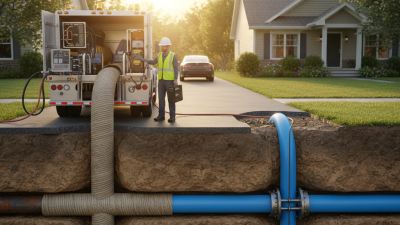
Choosing the right sewer line pipe is crucial for ensuring a safe and efficient plumbing system. According to a report by the American Society of Civil Engineers, outdated sewer infrastructure accounts for billions in repair costs each year. Industry expert John H. Richards states, “Selecting the right sewer line pipe can save homeowners significant time and money in the long run.” Understanding different materials and their benefits is essential for making informed choices.
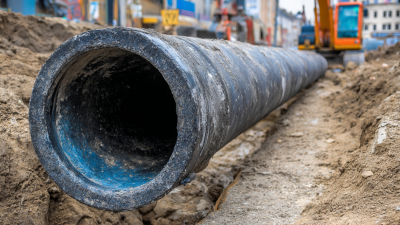
The market offers various options, including PVC, ABS, and cast iron pipes. Each type has distinct advantages and disadvantages. For instance, PVC pipes are lightweight and resistant to corrosion, making them popular in residential installations. In contrast, cast iron pipes excel in durability but may present challenges during installation. It's crucial to weigh these factors against your project needs.
As you navigate your options, consider factors like soil conditions, installation environment, and future maintenance. It's not uncommon for homeowners to overlook these elements, leading to costly repairs. Therefore, a well-researched choice of sewer line pipe is imperative for any construction or renovation project.
Understanding Different Sewer Line Pipe Materials
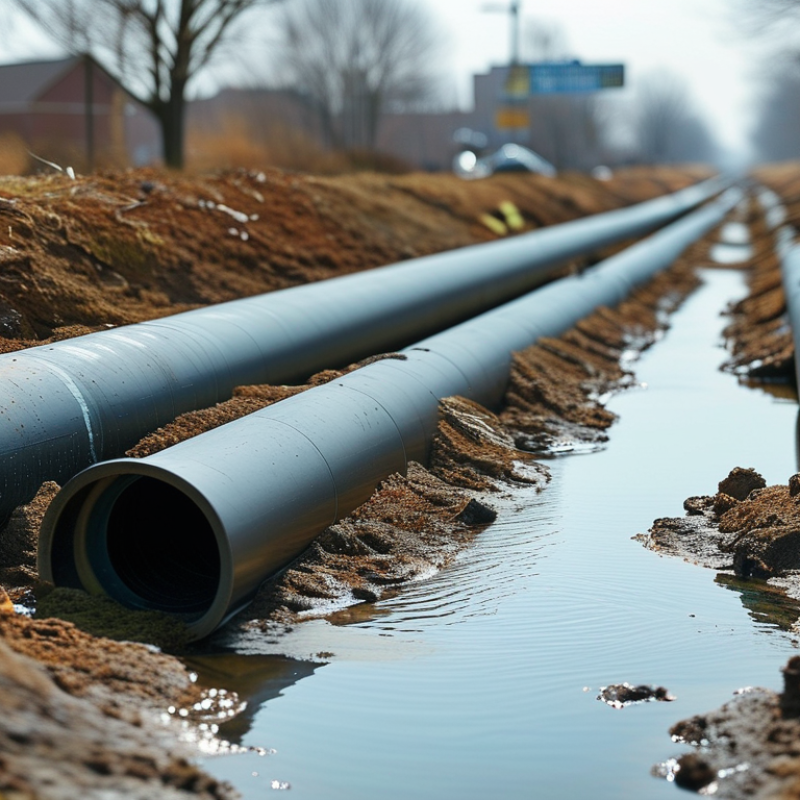
When selecting a sewer line pipe, understanding the various materials available is crucial. Each type offers unique benefits and drawbacks. PVC pipes, for example, are lightweight and resistant to corrosion. They account for over 60% of the residential market, making them a popular choice for homeowners and contractors alike. However, they can become brittle over time when exposed to UV light, raising concerns about long-term reliability.
Cast iron pipes have been used for over a century, renowned for their strength and durability. They can withstand harsh conditions and are particularly effective in suppressing noise. However, they tend to be heavier and more expensive than other options, presenting installation challenges. According to a report by the American Society of Civil Engineers, old cast iron pipes make up nearly 15% of America’s sewer infrastructure, highlighting the need for careful evaluation during renovations or replacements.
Another common option is clay pipes, known for their longevity and natural resistance to root intrusion. While they can last over 100 years, they may crack under heavy loads or shifting soil. This fragility calls for proper installation and consideration of the site conditions. Ultimately, understanding these materials empowers homeowners to make informed decisions based on their specific needs and environmental factors. As seen in industry studies, the right choice can significantly impact maintenance costs and longevity.
Comparing Durability and Lifespan of Sewer Line Pipes
When selecting a sewer line pipe, durability and lifespan are critical factors. Different materials impact these qualities significantly. For instance, PVC pipes, widely used, can last 50 years or more with proper installation. According to industry data, they resist corrosion and are lightweight. However, they may struggle in extreme temperature conditions.
In contrast, cast iron pipes are known for their strength and durability, often exceeding 75 years. They perform well under heavy loads and are less prone to cracking. A report by the American Society of Civil Engineers emphasizes that while cast iron offers longevity, it is more susceptible to rust in the long term. Unaddressed rust can lead to leaks and costly repairs.
On the other hand, ABS (Acrylonitrile Butadiene Styrene) pipes present a less durable option, averaging around 30 years. Their flexibility can be advantageous but may create challenges in rigorous environments. Each pipe material has strengths and weaknesses that warrant reflection. Understanding these nuances allows for informed decisions in sewer line installation and maintenance.
Evaluating Cost and Installation Factors for Sewer Pipes
When evaluating sewer line pipes, consider installation costs and long-term reliability. The choice of materials can significantly influence expenses. PVC is commonly used due to its lightweight nature and affordability. However, it may not hold up as well in areas with extreme temperatures. In contrast, cast iron pipes offer durability but come with higher installation costs due to their weight and the need for skilled labor.
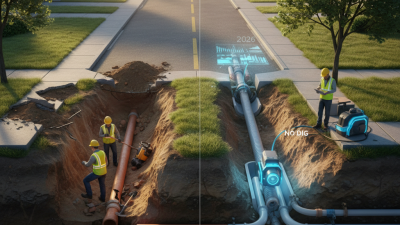
Installation factors also play a crucial role. The ease of installation can reduce labor costs and time. Less experienced installers might struggle with complex materials. Therefore, selecting an easier-to-manage pipe can streamline the process. Local building codes may impose restrictions, further complicating choices. Reflecting on these elements helps in making a more informed decision.
Finally, consider the long-term implications. Short-term savings shouldn’t be the sole focus. Quality pipe materials often mean fewer repairs in the future. Weigh durability against upfront costs. The best choice may not always be the cheapest one. This realization can lead to better satisfaction in the long run.
2026 How to Choose the Right Sewer Line Pipe for Your Needs?
| Pipe Material |
Cost per Foot |
Lifespan (Years) |
Installation Difficulty |
Resistance to Tree Roots |
| PVC |
$2.50 |
50+ |
Easy |
Low |
| HDPE |
$3.00 |
100+ |
Medium |
High |
| Cast Iron |
$10.00 |
50-100 |
Difficult |
Medium |
| Concrete |
$8.00 |
100+ |
Medium |
High |
| ABS |
$3.50 |
50+ |
Easy |
Low |
Assessing Local Regulations and Codes for Sewer Line Installation
When planning a sewer line installation, you must consider local regulations and codes. These guidelines vary by city and county. They ensure your project is safe and compliant. Failure to follow these regulations may lead to fines or project delays. Ignoring local requirements can create issues down the line.
Prior to installation, research your area's specific codes. This may involve reviewing municipal guidelines or consulting with local officials. Each region has unique requirements regarding pipe materials, diameter, and installation depth. Collaborating with knowledgeable professionals can also streamline the process. Their experience can help you avoid potential pitfalls.
While adapting to regulations, it's important to remain flexible. Sometimes, a desired material may not meet local codes. Be open to alternative solutions that still fit your project's needs. An unexpected obstacle can be a lesson in adaptability, leading to a successful installation. Always keep a checklist of local code compliance to stay organized and focused.
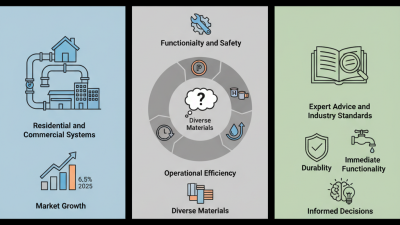
2026 Sewer Line Pipe Material Comparison
Identifying Specific Needs Based on Property and Usage Requirements
Selecting the right sewer line pipe depends on various factors related to your property and its intended usage. Begin by considering the size of your household or commercial establishment. A larger property may require a different pipe diameter than a smaller one. Inadequate pipe size can lead to clogs and overflow. Assess the anticipated daily water usage as well. Higher usage increases the need for more robust materials.
The material of the pipe is equally crucial. Some options include PVC, ABS, and cast iron. PVC plastic pipes are generally lighter and easier to install. However, they may not stand up well to certain chemicals or extreme temperatures. Cast iron, while durable, can be heavy and costly. It is essential to know the environment in which the pipes will operate. For example, soil composition and moisture levels can affect pipe lifespan. Reflect on any past issues, as they may indicate a need for a particular type of durable pipe.
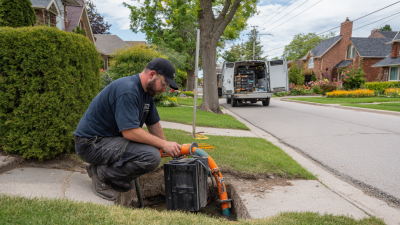
Installation and maintenance should not be overlooked. Improper installation may lead to costly repairs later. It’s advisable to consult professionals who understand local building regulations and soil conditions. Their expertise can provide insight into the best material selection and installation techniques. Think about future accessibility as well; you want to ensure that pipes are reachable for maintenance.