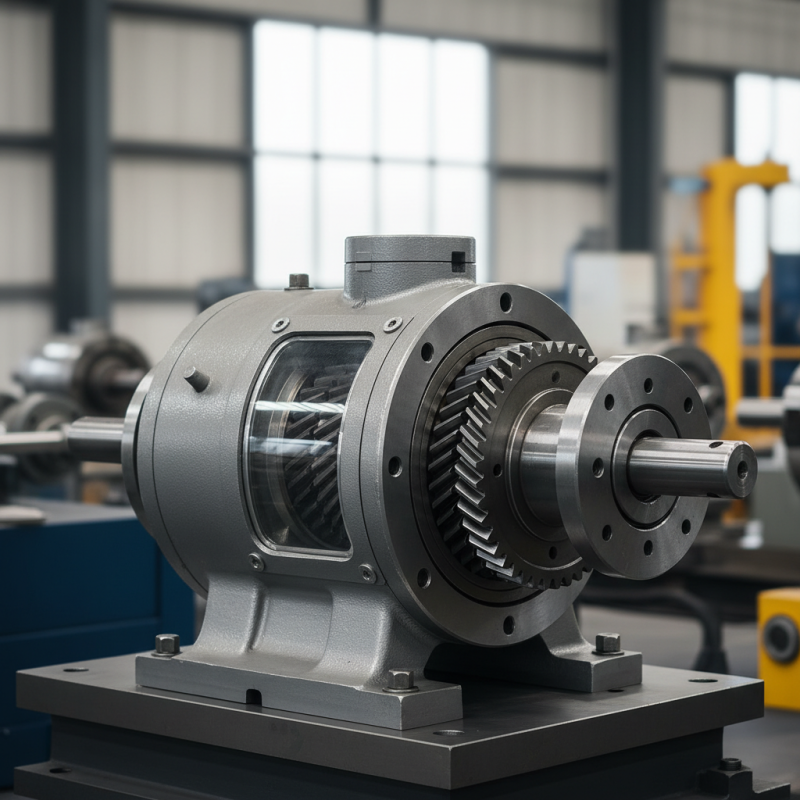
How to Choose the Right Cylindrical Gearbox for Your Needs?
Choosing the right Cylindrical Gearbox can be a daunting task. This device is crucial in many machinery applications. Its role in reducing speed and increasing torque is vital.
Understanding your specific requirements is essential. Consider factors such as load capacity, speed, and environmental conditions. Each gearbox model is designed with different specifications. The wrong choice can lead to mechanical failures or inefficiencies.
Researching different manufacturers adds to your knowledge. It is helpful to seek expert advice if needed. Be aware that some products may not meet all your standards. Trustworthy reviews can guide you in your decision-making process. Choosing a Cylindrical Gearbox should not be rushed; reflective consideration leads to better outcomes.
Understanding the Basics of Cylindrical Gearboxes
Cylindrical gearboxes are essential components in various industrial applications. They transfer power efficiently across multiple sectors, including automation, automotive, and manufacturing. Understanding their basics can help you make informed decisions. A standard cylindrical gearbox consists of gears mounted parallel to their axis. These gears can be either helical or spur, affecting their performance and efficiency.
Choosing the right one involves understanding specific criteria. Load capacity, gear ratio, and efficiency must align with your application needs. According to industry reports, proper gearbox selection can enhance energy efficiency by up to 30%. This statistic underscores the importance of selecting a gearbox that matches your operational demands.
Tips: Always consider the torque requirements of your machinery. A mismatch can lead to inefficiencies or failures. Regularly review your gearbox lubrication practices. Poor maintenance can cause premature wear. Ensure you consult technical documents, as they provide valuable insights into gearbox specifications. Even small deviations from recommended practices can have significant long-term effects on system performance. Evaluating manufacturer data can also offer clarity on reliability and lifespan.
Key Factors to Consider When Selecting a Gearbox
Choosing the right cylindrical gearbox can sometimes feel overwhelming. Several factors influence your decision. Load capacity, efficiency, mounting options, and design preferences all play crucial roles. Reports from industry leaders indicate that load capacity is the primary consideration for over 60% of engineers when selecting gearboxes. A correct match can prevent costly downtimes.
Gearbox efficiency is another critical factor. A higher efficiency rating reduces energy consumption. According to recent studies, gearboxes with efficiencies above 95% are increasingly preferred. This is especially true for automotive and heavy machinery applications. The efficiency also impacts the operational lifespan. Selecting a less efficient gearbox can lead to unnecessary wear and higher maintenance costs.
Tips: Understand your application's torque and speed requirements. Evaluate your environment too. If stationary, consider anti-vibration materials. Always factor in potential future upgrades. Your initial choice may not be ideal forever. Remember, the right gearbox should align closely with your specific needs while leaving room for unforeseen changes.
Assessing Load and Torque Requirements for Your Application
When selecting a cylindrical gearbox, evaluating load and torque requirements is crucial. Understanding your application’s needs ensures optimal performance and longevity. Consider the type of load, which can be static or dynamic. Static loads typically require more robust gearboxes, while dynamic loads may necessitate flexible solutions. Always highlight the maximum load your system will handle.
Tip: Calculate the peak torque your motors will produce. This will help you choose a gearbox that can withstand these forces. Do not underestimate the impact of unexpected surges in load or torque. These can lead to premature failure if the gearbox is not appropriately rated.
Besides torque, assess the relationships between speed, load, and efficiency. Choose a gearbox that maintains efficiency under your expected working conditions. Be wary of chasing high speeds without considering the resulting torque requirements. This can create mismatches, leading to inefficiencies. Properly balancing these aspects can enhance operational reliability and improve overall system performance.
How to Choose the Right Cylindrical Gearbox for Your Needs?
| Application | Load Type | Torque Requirement (Nm) | Speed Requirement (RPM) | Gear Ratio |
| Conveyor System | Constant Load | 150 | 60 | 3:1 |
| CNC Machine | Dynamic Load | 300 | 150 | 5:1 |
| Elevator System | Variable Load | 500 | 30 | 7:1 |
| Wind Turbine | Constant Load | 700 | 20 | 11:1 |
| Robotics Arm | Dynamic Load | 200 | 120 | 4:1 |
Evaluating Gearbox Material and Design Options
When selecting a cylindrical gearbox, understanding material and design options is essential. Gearbox materials significantly affect durability and performance. Steel alloys are commonly used due to their strength and fatigue resistance. According to a recent industry report by the American Gear Manufacturers Association, 70% of gear failures are due to material fatigue. Choosing the right steel grade can mitigate this risk significantly.
Design is another crucial element. A well-designed gearbox can enhance efficiency and lower operational noise. Advanced design technologies, like computer-aided design, improve precision and functionality. Designing for optimal lubrication pathways can reduce wear and extend lifespan. However, some companies overlook these details, leading to unexpected maintenance costs. Industry surveys indicate that around 30% of users experience higher operational expenses due to poor design choices.
Additionally, consider the gearbox's load capacity. It is vital to match the gearbox design with the specific application demands. Overrating or underrating can cause failures. A balance is necessary to avoid costly downtime. Keeping these factors in mind can lead to better performance and reliability in the long term.
Determining Gearbox Efficiency and Performance Specifications
When selecting a cylindrical gearbox, efficiency and performance must be key considerations. Efficient gearboxes translate energy smoothly between input and output. A well-designed gearbox minimizes energy losses, ensuring higher productivity. Look for specifications like gear material, tooth design, and lubrication type. These factors directly impact reliability and lifespan.
Tips for evaluating efficiency include checking the gearbox’s efficiency rating. Higher ratings indicate better performance. Examine the load capacity versus speed requirements. An imbalance can lead to premature wear. Additionally, consider the operating environment. Extreme heat or dust can affect efficiency.
Understanding the performance specifications is crucial. They dictate how well a gearbox will perform under specific conditions. Be cautious about the torque ratings. Overloading can lead to failures. Analyze the mechanical and thermal limits too. Poor quality components lead to unexpected downtime. Design for reliability requires foresight and thorough research. Engage with experienced engineers for deeper insights.
Gearbox Efficiency Comparison
This bar chart illustrates the efficiency levels of different cylindrical gearboxes. Gearbox A has an efficiency of 85%, while Gearbox B leads with 90%. Gearbox C and D trail behind with efficiencies of 75% and 80%, respectively. This comparison helps in selecting the most efficient gearbox for your specific needs.