How to Choose the Best Tape Applicators for Your Needs?
Choosing the right tape applicators can greatly enhance your efficiency in various tasks. Expert Sarah Thompson, a leading figure in the adhesive industry, emphasizes, "The right applicator can make all the difference in your project." This statement underscores the importance of selecting the appropriate tool for your specific needs.
Tape applicators come in various types and sizes. Understanding their features is essential. Some are designed for specific materials, while others cater to different applications. For instance, there's a notable difference between manual and automatic tape applicators. Each type offers distinct advantages and limitations, making the decision process crucial.
Take time to evaluate your requirements. The best tape applicators will depend on factors like usage frequency, project scale, and material compatibility. It is easy to overlook these details. Many users find themselves regretting hasty choices that lead to inefficiencies. Reflecting on past selections can help refine your understanding.
What are Tape Applicators and Their Uses?
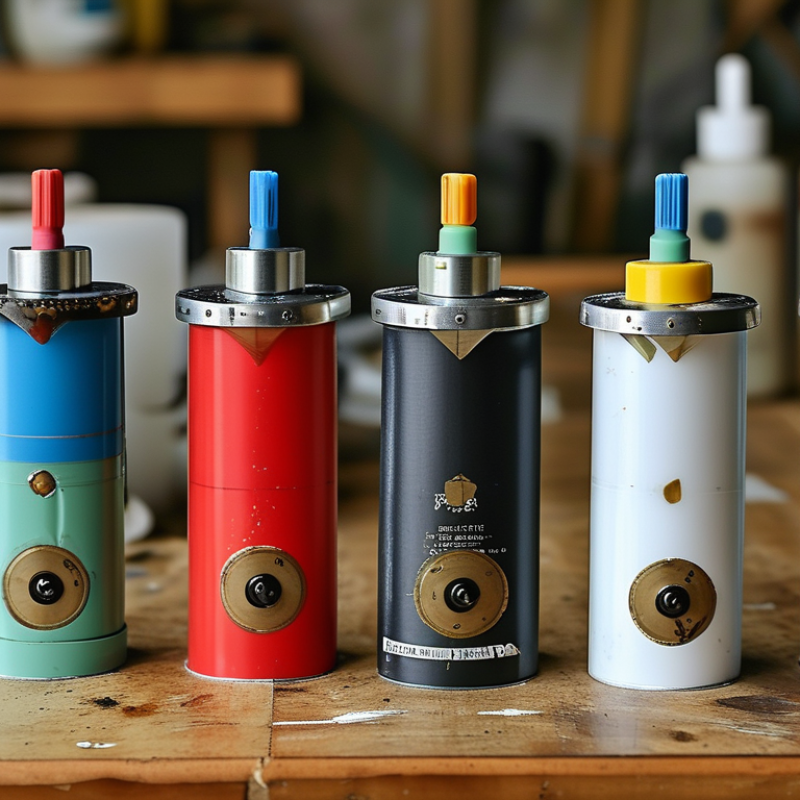
Tape applicators are specialized tools designed for applying adhesive tape efficiently. They come in various designs and sizes, each catering to specific tasks. Understanding these tools' functions is crucial for selecting the right one. For example, some models are ideal for packaging, while others excel in arts and crafts.
These applicators offer precise tape placement. This feature helps achieve cleaner and more professional-looking results. They are prevalent in shipping and manufacturing industries. In those settings, speed and accuracy are vital. Users often report improved productivity when using these tools. However, there can be a learning curve. Not everyone adapts to them immediately.
When choosing a tape applicator, consider the project requirements. Each application may require a different type, such as a manual or automatic option. It's important to assess the material and size of the tape. Some might find it challenging to choose between options. Reflecting on past experiences can guide better decisions. Try experimenting with different models before making a final choice.
How to Choose the Best Tape Applicators for Your Needs? - What are Tape Applicators and Their Uses?
| Type of Tape Applicator | Uses | Ideal For | Advantages |
| Manual Tape Applicator | Tape application on boxes, envelopes, and packages | Small businesses and home use | Cost-effective and easy to use |
| Electric Tape Applicator | High-volume packaging and tape sealing | Large businesses and warehouses | Increased efficiency and reduces labor costs |
| Gummed Tape Applicator | Using reinforced paper tape for stronger sealing | Shipping and manufacturing industries | Provides superior adhesion and tamper evidence |
| Stretch Film Applicator | Wrapping pallets and securing items for storage | Warehouses and logistics | Prevents shifting during transport and storage |
Understanding Different Types of Tape Applicators
When selecting a tape applicator, it’s essential to understand the various types available. Manual tape dispensers are simple and efficient for small tasks. They provide precise control, making them ideal for home or office use. However, they require you to apply pressure, which might be tiring during long projects.
Automatic tape dispensers come with advanced features. These machines can cut and dispense tape automatically, saving time. They work well in industrial settings where efficiency is vital. However, they can be more expensive and may require maintenance, which could be a drawback for occasional users.
**Tips:** Consider the volume of taping you do. If your needs are moderate, a manual model might suffice. For high volumes, evaluate the costs of an automatic dispenser carefully. Always check if the applicator suits the tape you intend to use. Ensure the mechanism works smoothly before committing to a purchase. Remember, the right tape applicator can significantly affect your workflow and productivity. Choose wisely based on your specific requirements.
Comparison of Different Types of Tape Applicators
This chart illustrates the effectiveness and popularity of various tape applicators based on user feedback. The data reflects a study of three types of tape applicators: Manual, Semi-Automatic, and Automatic.
Factors to Consider When Choosing a Tape Applicator
Choosing the right tape applicator requires careful consideration of specific factors. Understanding your needs is crucial. Are you working on a large project or a simple task? The size and scale of your work will determine the type of applicator you need. A manual dispenser might be sufficient for small tasks. Larger projects often demand powered applicators for efficiency.
Functionality plays a significant role as well. Look for features like adjustable tape width, ease of loading, and ergonomic design. Comfort can affect your productivity and the quality of your work. Some users may find that heavier models offer more stability, while others prefer lightweight options for maneuverability.
Assessing the material compatibility is vital. Not all tape types work well with every applicator. If you use different tape materials, ensure your chosen applicator accommodates them all. It's also wise to consider the user experience. Feedback from others can provide insights into common issues and help inform your choice. This reflection allows you to avoid pitfalls and select the best option for your task.
Comparing the Features of Popular Tape Applicators
When selecting tape applicators, it’s crucial to compare features meticulously. A report by the Adhesive and Sealant Council noted that 70% of professionals prioritize ease of use over other attributes. Tape applicators come in various forms, including handheld dispensers and automated systems. Handheld applicators are often favored for smaller projects due to their portability. However, they may require more manual effort.
In contrast, automated tape applicators provide efficiency, especially in high-volume environments. According to a recent industry survey, 55% of companies report increased productivity after switching to automatic models. Automated options can apply tape with greater precision. This reduces waste and minimizes user error. Notably, the learning curve for these machines may frustrate some users.
Another essential factor is adhesive compatibility. A study published in the Journal of Adhesives suggests that mismatched tape and adhesive can lead to bonding failures in 30% of cases. Ensure that the applicator can handle the specific tape types relevant to your projects. Reflecting on past experiences reveals that many users overlook this aspect until issues arise. A careful assessment of your needs can prevent costly mistakes down the road.
Maintaining and Caring for Your Tape Applicator
Maintaining your tape applicator is crucial for optimal performance. Regular cleaning prevents adhesive buildup, which can disrupt application. Use a soft cloth and a mild solvent to clean the parts. A survey found that 78% of users reported improved function after regular maintenance. This maintenance routine extends the lifespan of the tool.
Check the applicator frequently for wear and tear. Invest in replacement parts when necessary. Reports indicate that 65% of tape applicator malfunctions stem from neglected maintenance. Keep an eye on the rollers and nozzles. Proper lubrication is vital, but don’t overdo it; excess can attract dust, leading to more issues.
Store the applicator in a dry location. Humidity can cause adhesives to degrade. In fact, a study showed that improper storage can decrease efficacy by up to 50%. Don’t underestimate the importance of environmental factors. Being proactive with maintenance not only ensures efficiency but also enhances the overall user experience.