
China Top Anchor Drill Rig Manufacturers and Suppliers
Choosing a reliable Anchor Drill Rig manufacturer in China starts with the ground conditions, not a product brochure. Hard rock, fractured strata, and limited working space each place different demands on a rig. A compact machine may suit a narrow site, while deeper drilling can call for greater torque, stable feed pressure, and a well-matched power system. Small differences matter.
China’s suppliers offer a broad range of drilling equipment, from portable units to crawler-mounted rigs for larger projects. Buyers should compare more than headline drilling depth. Ask for the rig’s working parameters, component brands, maintenance guidance, and documentation for the specific configuration. Requesting a live demonstration or a detailed operating video can help clarify how the machine performs under load. Good questions save time.
A dependable supplier should explain what the rig can and cannot do, rather than promise the same result in every formation. Check whether spare parts are available, how technical support is delivered, and what the warranty covers. These details affect uptime after installation, especially when a project is far from the supplier’s service base. They deserve careful review.
This guide introduces leading Anchor Drill Rig manufacturers and suppliers in China, along with practical points for comparing their products and service. Company information and specifications can change, so verify current details directly before making a purchase. No shortlist replaces a site assessment. That part is easy to overlook.
What Is an Anchor Drill Rig and How Does It Work?
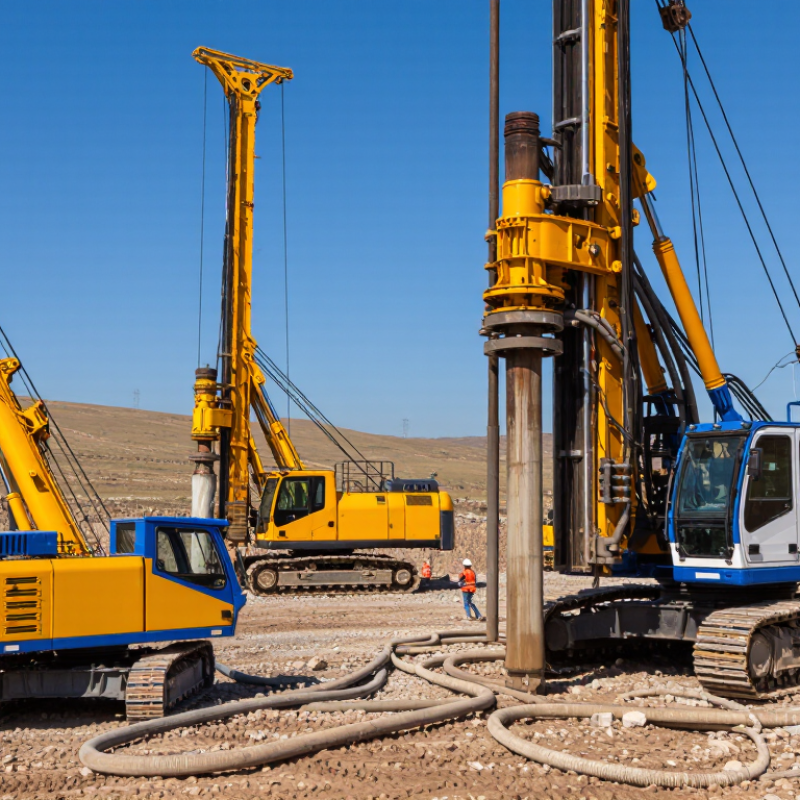
An anchor drill rig is a machine used to create angled boreholes for ground anchors. These anchors help secure retaining walls, stabilize slopes, or support excavations. A typical rig has a mast, rotary or percussive drilling head, drill rods, hydraulic controls, and a flushing system. The operator positions the mast to match the project’s specified angle, then advances the rods through soil or rock. Water or air may carry cuttings out of the hole. The right setup depends on ground conditions. Not quite a simple task.
After drilling, a crew installs the anchor tendon and fills the borehole with grout. Once the grout reaches the required strength, the anchor may be tensioned and checked against the engineer’s design. Operators monitor pressure, drilling speed, rod behavior, and the material returning from the bore. Sudden changes can signal fractured rock, loose layers, or a blocked hole. Records of depth, angle, and ground conditions help the project team assess consistency. Ground matters. A rig cannot compensate for poor site investigation or incorrect anchor design, and actual procedures should follow approved plans and qualified supervision.
China Top Anchor Drill Rig Manufacturers and Suppliers - What Is an Anchor Drill Rig and How Does It Work?
| Topic | How It Works or What to Know | Practical Considerations |
|---|---|---|
| What is an anchor drill rig? | A drilling machine used to make inclined or horizontal boreholes for ground anchors, rock bolts, soil nails, and related ground-support systems. | The rig creates the borehole; anchor installation, grouting, curing, and stressing may require separate equipment and operations. |
| Main components | A typical rig includes a carrier or base, mast or feed beam, rotary head, drill rods, flushing system, power unit, and operator controls. | Configuration varies by machine. Some rigs are crawler-mounted for rough terrain; compact units may be selected for restricted-access sites. |
| Rotary drilling | The rotary head turns the drill string and bit to cut or abrade the ground. Air, water, or drilling fluid may be used to help remove cuttings, depending on the setup and ground conditions. | Bit selection, flushing method, and operating parameters need to match the geology and borehole design. |
| Down-the-hole (DTH) hammer drilling | A pneumatic hammer near the bit delivers repeated impacts while the drill string rotates. Compressed air commonly powers the hammer and helps clear cuttings. | Often considered for competent rock; compressor capacity, noise, dust control, and site constraints should be assessed. |
| Casing-advancement drilling | A casing is advanced during drilling to support unstable ground and help maintain the borehole. The drilling arrangement and casing method depend on the rig and tooling. | May be useful in loose, fractured, or collapsing formations; casing recovery or permanent casing depends on the design. |
| Typical operating sequence | Position and stabilize the rig; align the mast to the designed angle; drill to the specified depth; manage cuttings and flushing; withdraw the rods and inspect the borehole as required. | The approved ground-support design and site method statement determine hole location, inclination, depth, and drilling procedure. |
| After drilling | For a typical grouted ground anchor, the tendon is placed in the borehole and grout is installed. After the grout reaches the required strength, the anchor may be tested and stressed, then locked off where specified. | Installation and testing requirements vary with the anchor system, engineering design, applicable standards, and project specifications. |
| Common applications | Slope stabilization, retaining-wall support, excavation support, foundation anchoring, and selected mining or tunneling ground-support work. | The appropriate anchor type and drilling method depend on the ground profile, loads, access, groundwater, and project design. |
| Rig selection factors | Compare drilling method, required hole dimensions and angle, mast reach, feed force, rotary torque, power source, mobility, and available tooling. | Confirm capabilities against the project design and actual site conditions; performance figures are model- and ground-dependent. |
| Safety and environmental controls | Use trained operators, inspect the rig and drill string, secure the work area, and follow procedures for rotating equipment and compressed air. Control dust, noise, and drilling fluids as required. | Follow the equipment manual, site risk assessment, and applicable local safety and environmental requirements. |
Note: Drilling methods and rig configurations vary. Final equipment selection and anchor installation should follow the project design, ground investigation, and applicable requirements.