10 Best Pipe Repair Without Digging Solutions?
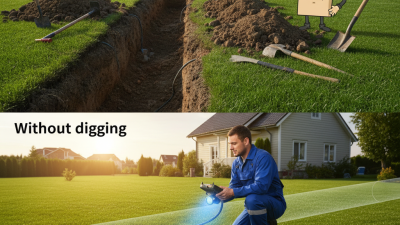
A leaking sewer line can waste water, weaken soil, and damage paving long before failure becomes visible. Pipe repair without digging offers a less disruptive response. It can reduce excavation, traffic closures, landscape damage, and restoration costs. However, the right method depends on pipe material, diameter, access points, groundwater, and defect severity.
The U.S. Environmental Protection Agency’s 2023 Drinking Water Infrastructure Needs Survey estimates $625 billion in drinking-water investment needs over the next 20 years. That figure reflects an aging system, not a universal argument for trenchless work. NASSCO’s Pipeline Assessment Certification Program also emphasizes inspection before rehabilitation. CCTV footage, flow records, and wall-thickness data should guide the decision. Guesswork remains expensive.
Dr. Samuel T. Ariaratnam, a recognized trenchless-technology researcher, has stressed a practical principle: “There is no one-size-fits-all solution.” That warning deserves attention. Cured-in-place pipe lining may suit continuous cracks and corrosion. Pipe bursting may help replace severely damaged lines without opening the entire route. Spray-applied coatings can address selected internal defects, but surface preparation is critical. Robotic cutting can remove roots or intrusions around joints.
These solutions are not magic. Some require bypass pumping, curing time, or precise resin control. Poor cleaning can shorten service life. This guide compares 10 best pipe repair without digging solutions through performance, access needs, durability, cost factors, and installation risk. It also questions where trenchless repair may fail. A careful repair often begins with a camera, not a shovel.
What Trenchless Pipe Repair Means and When It Is Appropriate
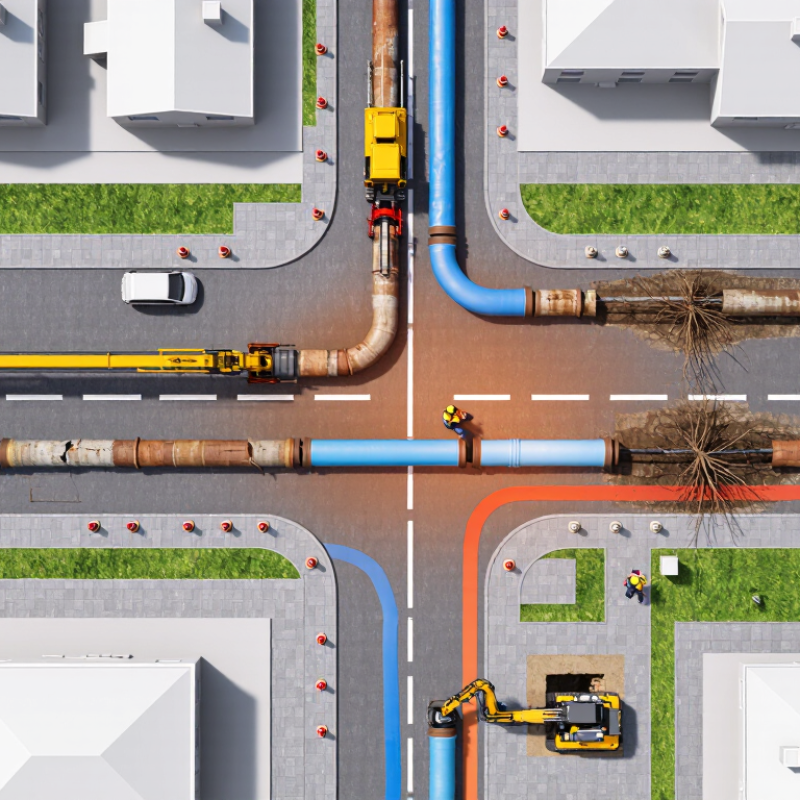
Trenchless pipe repair means fixing or replacing underground pipes through small access points instead of opening a long trench. Technicians usually begin with a camera inspection. This reveals cracks, root intrusion, collapsed sections, and separated joints. Common solutions include cured-in-place liners, pipe bursting, slip lining, and localized point repairs. Each method fits a different pipe condition.
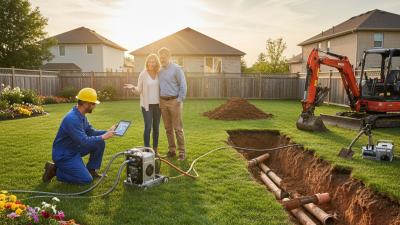
This approach is appropriate when the pipe has clear access points and enough surrounding space. It can protect driveways, gardens, floors, and mature trees. However, trenchless work is not magic. A severely collapsed pipe may block the equipment. A badly misaligned line may also require excavation. Soil movement, pipe depth, and connection locations matter. In my experience, skipping the inspection creates expensive surprises. One repair can look successful while an older section fails later. A complete condition report is safer.
Tips:
Ask for a recorded camera inspection before approving repairs. Confirm the pipe material, diameter, depth, and access points. Request a written explanation of the proposed method. Compare the expected service life, not only the initial price. Check whether nearby connections need separate work. Small details matter. Also ask how the line will be tested afterward. Water flow, leak checks, and a final camera pass provide useful evidence. Some homeowners prefer a spotless surface, but long-term pipe stability should guide the decision.
How to Inspect Underground Pipes Before Choosing a Repair Method
Before choosing a pipe repair without digging solution, inspect the pipe, soil, and nearby utilities. Review installation records and previous leak locations. Then use CCTV inspection to examine cracks, joint gaps, root intrusion, and sediment. A locating survey can confirm the pipe’s depth and alignment before any lining or bursting work begins.
The 2021 ASCE Infrastructure Report Card estimates that nearly 6 billion gallons of treated water are lost daily in the United States. That figure shows why early diagnosis matters. Acoustic testing can identify active leaks outside the camera’s view. Pressure testing can reveal weak sections, but unstable pressure may produce misleading results. Laser profiling can measure deformation and help identify whether a liner can fit safely.
EPA’s 2022 Clean Watersheds Needs Survey estimated $630.1 billion in national wastewater infrastructure needs. Inspection should therefore connect evidence with repair limits. A structurally sound pipe with small leaks may suit internal sealing or localized lining. Severe collapse, sharp offsets, or poor access may require pipe bursting or selective excavation. No inspection is perfect. Heavy sediment can hide defects, and CCTV footage may overlook service connections. I have seen clean-looking footage lead to repeated repairs when technicians skipped dye tracing or pressure verification. Independent review of the inspection data is worth the extra time.
10 Effective No-Dig Pipe Repair Solutions and Their Best Uses
10 Effective No-Dig Pipe Repair Solutions and Their Best Uses
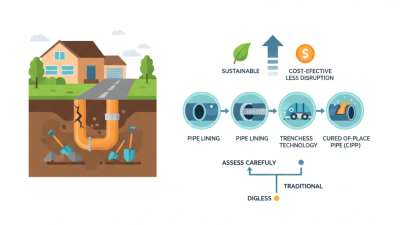
A camera inspection should guide every repair. It reveals cracks, roots, joint gaps, and pipe collapse without excavation. Epoxy pipe lining suits small cracks and corrosion inside stable pipes. Cured-in-place pipe lining works well for long, continuous damaged sections. Spray-in-place polymer lining covers irregular interiors when pipe shape remains usable. Sectional lining repairs short damaged areas while disturbing less ground. Internal joint sealing targets leaking connections between pipe sections.
Robotic cutting removes roots, mineral deposits, and misplaced intrusions from inside the pipe. Robotic sealing then closes selected defects with controlled materials. Grout injection helps seal leaks around joints, voids, and abandoned connections. Slip lining inserts a smaller pipe inside the old one, making it useful for straight runs. Pipe bursting replaces a severely damaged line through small access pits, although nearby utilities need careful checking. Mechanical internal sleeves offer a practical option for isolated breaks under roads or floors.
The best choice depends on pipe material, diameter, access, flow, and structural strength. Pressure testing should follow the repair. Experienced contractors also verify curing conditions and final camera results. No-dig does not mean risk-free. Poor cleaning can shorten lining life. That detail is easy to miss. One limitation deserves honesty: some collapsed or heavily displaced pipes still require excavation. Careful records, qualified inspection, and realistic cost estimates make the repair more reliable.
10 Best Pipe Repair Without Digging Solutions
A comparison of no-dig pipe repair methods and the applications where each solution is typically most effective.
The suitability score is a practical comparison from 1 to 10 based on common trenchless rehabilitation uses, including structural renewal, localized repair, leak sealing, and full pipeline replacement. Actual method selection depends on pipe material, diameter, access points, defect type, flow conditions, and site constraints.
What to Expect During a Professional Trenchless Repair Project
A professional trenchless repair project usually begins with a camera inspection. A qualified technician records the pipe’s location, damage, and surrounding conditions. They may find cracks, root intrusion, collapsed sections, or heavy scale. This evidence helps determine whether lining or pipe bursting is suitable. It also prevents guesswork.
The crew may open one or two small access pits instead of excavating the entire yard. Before work starts, they should confirm utility locations, property access, permits, and the written estimate. For pipe lining, workers clean the pipe and insert a resin-coated liner. The liner then cures against the existing pipe wall. Pipe bursting follows a different method. It breaks the damaged pipe while pulling a new pipe through the path.
The process is not perfectly quiet. You may hear machinery, water flushing, and short periods of vibration. Most projects take several hours to a few days, depending on pipe length and access. Experienced crews protect nearby paving, landscaping, and indoor surfaces, but minor disruption can still occur. I have seen schedules change after cleaning exposed hidden damage. That is an uncomfortable surprise, but accurate findings are safer than rushed promises.
After installation, the technician should perform another camera inspection and flow test. Ask for test results, repair photographs, and maintenance guidance. The restored area may need temporary barriers until the surface settles. Some repairs are excellent, yet no method fits every pipe. A second professional opinion can be worthwhile when the damage report seems unclear.