Best Pipe Fixer Solutions for Effective Leak Repairs?
Leak repairs in plumbing can be a hassle. Finding the right pipe fixer is essential for effective solutions. With various options available, it’s important to identify which methods suit your specific needs.
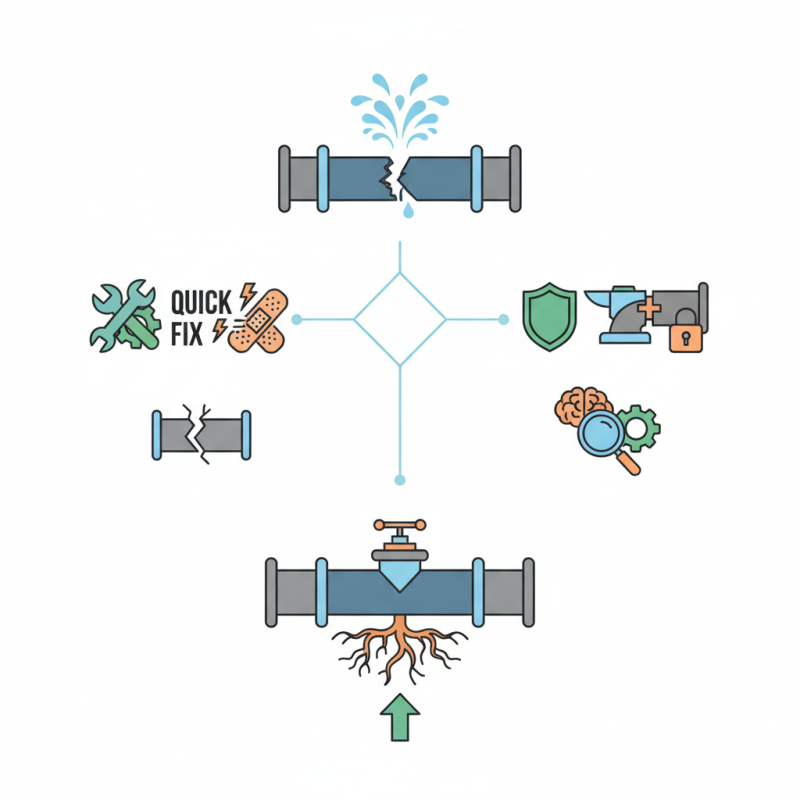
Professional plumbers often recommend certain pipe fixers. These tools and materials vary in effectiveness. Some products promise quick fixes but may not last. Others provide a durable solution but require a learning curve. Understanding these nuances is vital.
When facing a leak, assessing the situation is crucial. Underestimating the problem can lead to more extensive damage. Choosing a reliable pipe fixer not only saves time but also prevents future issues. Investing time in research can lead to smarter choices.
Best Pipe Fixer Solutions for Effective Leak Repairs
When it comes to effective leak repairs, choosing the right pipe fixer solutions is crucial. According to industry reports, water leaks can waste over 10,000 gallons of water annually in an average home. This not only affects water bills but also greatly impacts the environment. Many homeowners underestimate the importance of timely leak repairs. Delaying fixes can lead to more costly damage.
One effective solution is to use pipe sealants. Sealants can quickly stop leaks in water pipes. They provide a temporary fix that can last for months. For more permanent repairs, consider pipe clamps or repair sleeves. These tools offer a tighter seal and prevent leaks from reappearing.
Tips: Regularly check for water stains in walls or ceilings. This can help spot leaks early. It's also wise to inspect visible pipes for corrosion. Another recommendation is to maintain good insulation around pipes. This prevents freezing and reduces the risk of cracks.
Choosing the right materials is essential. Not all repairs are the same. Some might require DIY solutions, while others demand professional help. Relying on unverified methods can risk further damage. Always weigh the pros and cons before committing to a fix.
Understanding the Types of Pipe Leaks and Their Causes
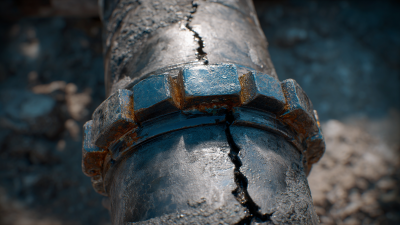
Pipe leaks can occur for various reasons. Understanding these causes is essential for effective repairs. Common types of leaks include pinhole leaks, joint leaks, and corrosion-related issues. Pinhole leaks are tiny, often caused by chemical reactions in the water. They usually happen in older pipes and may go unnoticed until more significant problems arise. Joint leaks can occur where pipes connect, often due to improper sealing or movement.
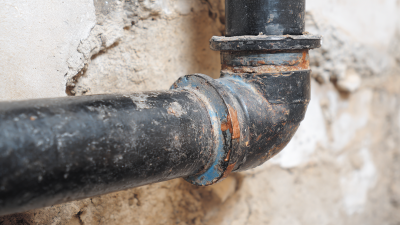
Corrosion is another significant factor. It can weaken pipes over time. Corroded pipes may burst, leading to severe water damage. Homeowners should regularly inspect their plumbing systems. Look for signs of wear, discoloration, or water stains. Addressing small problems early can prevent larger issues later.
Every leak has its own story. There’s a need to reflect on past repairs—they may not always have been effective. Learning from these experiences helps in choosing better solutions. Be open to exploring different repair methods. Sometimes, a simple fix is all that's needed, while other times, more extensive work is necessary. Being proactive can save money and stress in the long run.
Best Pipe Fixer Solutions for Effective Leak Repairs
| Type of Leak |
Common Causes |
Recommended Repair Solutions |
Estimated Repair Cost (USD) |
| Pinhole Leak |
Corrosion, high pressure |
Epoxy putty, pipe clamps |
50 - 150 |
| Cracked Pipe |
Temperature changes, ground movement |
PVC repair tape, couplings |
100 - 300 |
| Joint Leak |
Poor installation, wear and tear |
Sealant, replacement fittings |
75 - 200 |
| Broken Seal |
Age, environmental factors |
Pipe sealant, caulking |
50 - 120 |
| Leaky Fittings |
Loose connections, damaged threads |
Teflon tape, replacement fittings |
20 - 80 |
Overview of Common Pipe Repair Techniques and Their Effectiveness
When dealing with leaks, homeowners often seek effective repair methods. Understanding various pipe repair techniques can lead to successful outcomes. A common method is the use of epoxy putty. This material can seal small cracks effectively. It hardens quickly and sticks well to many pipe materials. However, it may not work on larger holes.
Another popular technique involves pipe clamps. These are used to compress a rubber gasket over a leak. The gasket helps prevent further escape of water. While this method offers a quick fix, it may require adjustments over time. Users should check for leaks regularly.
Tips: Always clean the area around the leak before applying any repair. A clean surface ensures better adhesion. Additionally, using heatshrink tubing can strengthen joints temporarily, but it’s not a permanent solution. Always consider the severity of the leak before choosing a method. Sometimes, a professional plumber may be necessary for major issues.
Top Rated Pipe Repair Products: Performance and User Reviews
When it comes to pipe repairs, user reviews highlight the importance of effective solutions. A recent industry report revealed that around 15% of homeowners experienced plumbing leaks annually. This emphasizes the need for reliable repair products. Many users praise solutions that are easy to apply and provide a quick fix.
In user reviews, a significant number mention the effectiveness of sealants and epoxy putties. These products often offer a temporary fix, allowing for quick repairs without professional assistance. However, it’s essential to consider their limitations. Users noted that while these methods are effective for small leaks, they may not hold up under high pressure or extensive damage.
Tip: Always clean the surface before applying any repair product. This ensures better adhesion and longer-lasting results. Regular maintenance checks can prevent leaks from becoming severe.
User feedback also points out that some permanent solutions may require professional installation. While there are many DIY options available, users recommended consulting with experts for complex issues. Understanding the right product for the job can save time and future headaches.
Tip: Monitor your plumbing system regularly to identify any early signs of leaks. Addressing minor issues can prevent costly repairs later on.
Key Factors in Selecting the Right Pipe Fixer Solution for Your Needs
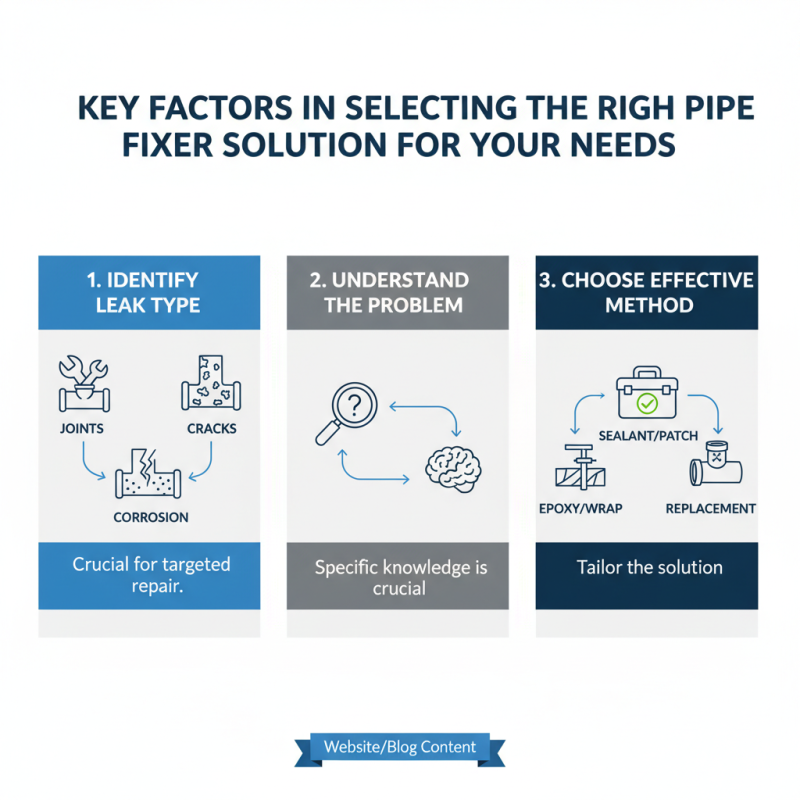
When choosing a pipe fixer solution, consider the type of leaks you face. Common sources of leaks include joints, cracks, and corrosion. Each issue requires a different approach. Understanding your specific problem is crucial. This targeted knowledge allows you to select the most effective repair method.
Durability is another critical factor. Some repairs offer short-term fixes while others provide long-lasting solutions. Think about how soon you can apply the fix. Certain methods may require waiting time to cure, which can be inconvenient. Additionally, review the application process. Some products are straightforward, while others may need additional tools or skills.
Cost can also influence your choice. This doesn't just mean the price of materials. Consider potential future expenses if the fix doesn't hold. Sometimes, a cheaper option can lead to more significant costs later on. Balancing initial investment with expected longevity is essential. These reflections can save you from repeated repairs.
Conclusion
The article "Best Pipe Fixer Solutions for Effective Leak Repairs" explores various approaches to address pipe leaks, focusing on the importance of understanding the types of leaks and their underlying causes. It outlines common pipe repair techniques, evaluating their effectiveness in resolving issues. Additionally, it highlights top-rated pipe fixer products, offering insights based on performance and user reviews.
Key considerations for selecting the right pipe fixer solution include the severity of the leak and the specific materials involved. The article emphasizes the necessity of preventative measures to avoid future leaks and damage, ensuring that homeowners can maintain their plumbing systems effectively. By integrating proper techniques and products, one can achieve reliable repair outcomes and minimize the risk of recurring problems.