Best PET Double-Sided Tape for Quality and Durability?
The demand for PET Double-Sided Tape has surged in various industries, reflecting its quality and durability. According to the latest market research report by Techsci Research, the global market for double-sided tape is expected to reach $7 billion by 2025, highlighting its importance. Experts emphasize the necessity of selecting the right tape for optimal performance. As Dr. Robert Yang, a leading authority in adhesive technologies, states, "Quality of the tape plays a crucial role in determining the success of projects across multiple sectors."
When choosing the best PET Double-Sided Tape, quality and durability are paramount. These tapes are renowned for their exceptional adhesion properties and versatility. Common applications span from electronics to automotive manufacturing, where reliability is non-negotiable. However, not all tapes deliver the same performance. Some brands may compromise on quality, leading to failures in critical applications.
In this constantly evolving market, users should remain cautious. While there are many options, only a few meet rigorous industry standards. Investigating the specifications and real-world performance of PET Double-Sided Tape is essential. This approach ensures that you select a product that truly meets your needs and expectations. As industries grow increasingly competitive, trusting the right tape can make all the difference.
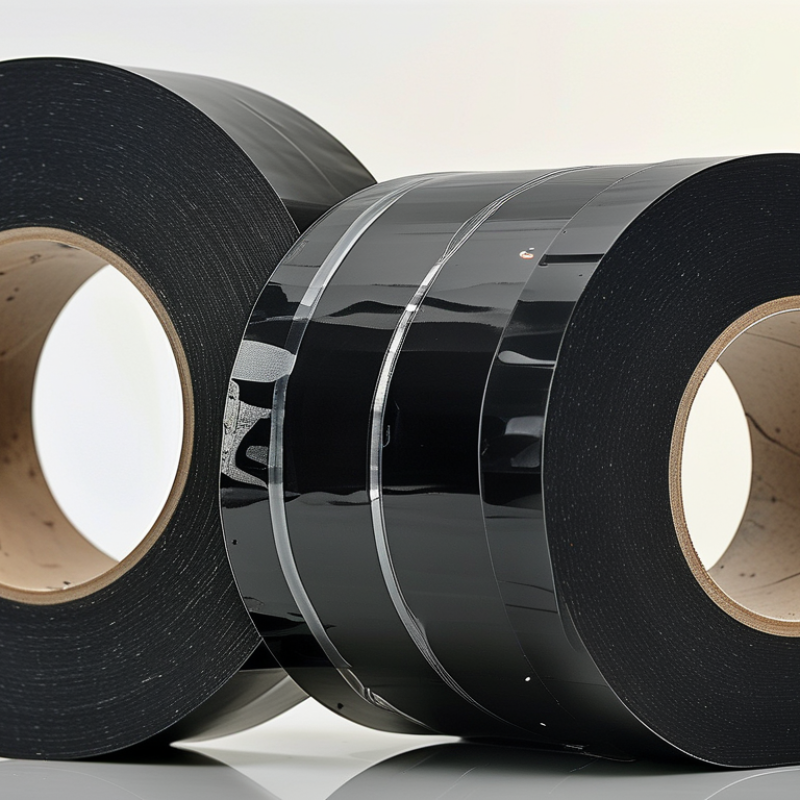
What is PET Double-Sided Tape and Its Uses?
PET double-sided tape is a versatile adhesive that finds applications in various fields. Made from a polyethylene terephthalate (PET) film, it is known for its durability and flexibility. This tape can bond to a wide range of surfaces, making it useful in both home and industrial settings. It's especially effective for mounting, trimming, and crafting.
The adhesive on both sides provides a strong hold. Many people use it for projects like photo mounting or even household repairs. Its resistance to moisture and temperature changes adds to its reliability. However, the effectiveness can depend on the surface texture; rough surfaces may not yield the best results. Using this tape on varied surfaces is a learning process. Sometimes, a project may not go as planned, highlighting the need for patience and experimentation.
When selecting PET double-sided tape, consider the specific requirement. Different thicknesses and adhesive strengths can impact performance. It's important to test a small area before full application. This helps avoid issues like residue left behind or weak adhesion. Understanding the nuances of PET double-sided tape can lead to better results in your projects.
Key Features to Consider When Choosing PET Double-Sided Tape
When selecting the best PET double-sided tape, several key features warrant consideration. Adhesive strength is paramount. Research indicates that strong adhesive tapes can hold weights of up to 5 kg per 10 cm². This is crucial for projects requiring reliability. Stability under various conditions, such as humidity and temperature fluctuations, also matters. A tape that maintains its grip in challenging environments is essential for lasting results.
Another factor to examine is the thickness of the tape. Thicker tapes often provide better cushioning and support. According to industry studies, tapes with a thickness exceeding 0.1 mm excel in impact resistance. Additionally, transparency can play a significant role in aesthetic applications. A high-quality PET tape should ensure minimal visibility on surfaces.
Lastly, the ease of application cannot be overlooked. Many users prefer tapes that unwound smoothly and can withstand some repositioning. Research has noted that these features significantly reduce material waste and improve user satisfaction. This understanding underscores the importance of selecting tape that meets both functional and practical needs.
Comparative Analysis of Popular PET Double-Sided Tapes on the Market
When choosing PET double-sided tape, it’s essential to analyze the right options based on quality and durability. A recent industry report highlights that high-quality PET tapes exhibit tensile strength exceeding 30 N/cm. This strength is critical for ensuring strong adhesion across various surfaces. In practical applications, many users report better performance in maintaining bond integrity under stress.
Moreover, the adhesive technology used plays a vital role. Studies indicate that acrylic-based adhesives are preferred for their temperature resilience, lasting up to 120°C. This resilience proves vital in applications requiring long-lasting performance. However, not all users find this level of durability in inexpensive alternatives. Quality often varies significantly, leading to frustrations when projects do not meet expected outcomes.
In terms of usability, the thickness of PET tapes can impact application methods. Thinner options allow for a cleaner finish but may struggle with heavy objects. It's crucial to select the right thickness for specific projects. Each option presents its trade-offs, prompting users to consider their unique needs carefully. Accurate testing can help in choosing the right tape, ensuring satisfaction in the final result.
Best PET Double-Sided Tape Quality and Durability Comparison
This chart compares the quality and durability of different PET double-sided tapes based on various criteria such as adhesion strength, thickness, temperature resistance, UV resistance, and durability cycles. The data provides insights into which tape might be best suited for specific applications.
Durability Testing: How Long Does PET Double-Sided Tape Last?
When choosing PET double-sided tape, durability is a crucial factor. Many industry reports indicate that PET tape often lasts between 3 to 5 years under normal conditions. This longevity stems from its robust adhesive properties and resistance to various environmental factors. For example, a study by the Adhesive and Sealant Council found that properly applied double-sided tapes maintained their stickiness even under temperature fluctuations, moisture exposure, and UV light.
To ensure maximum durability, it's essential to consider application surfaces. Clean and flat surfaces are ideal for adhesion. Dirt or dust can significantly reduce the tape's lifespan. As noted in another independent assessment, the bond strength improves when the tape is pressed firmly into place. Remember to assess the conditions where the tape will be used. High humidity or extreme temperatures can impact its effectiveness.
When using PET double-sided tape, here’s a tip: always test on a small area first. This ensures compatibility and prevents unexpected failures. If you're using the tape for heavy-duty purposes, consider applying it in layers for added support. Finally, keep in mind that while PET tape is strong, no adhesive is perfect. Periodic checks are necessary to ensure it remains securely bonded over time.
Best PET Double-Sided Tape for Quality and Durability
| Brand | Thickness (mm) | Adhesive Type | Durability (years) | Temperature Resistance (°C) |
| Brand A | 0.5 | Acrylic | 5 | -10 to 80 |
| Brand B | 0.3 | Rubber | 3 | -5 to 70 |
| Brand C | 0.7 | Silicone | 7 | -20 to 90 |
| Brand D | 0.4 | Acrylic | 6 | -15 to 85 |
| Brand E | 0.6 | Rubber | 4 | -10 to 75 |
Application Techniques for Optimal Adhesion with PET Double-Sided Tape
When using PET double-sided tape, proper application techniques are crucial for achieving optimal adhesion. Begin by ensuring that the surfaces are clean and dry. Dust, oil, or moisture can hinder the tape's effectiveness. A gentle wipe with isopropyl alcohol can prepare surfaces. This step may seem basic, but it can significantly impact the bond strength.
Pressing the tape firmly onto the surface is essential. Use a roller or your fingers to apply even pressure. This action encourages full contact between the adhesive and the materials. Skipping this part often leads to poor adhesion, which can be frustrating. Make sure to hold the tape in place for a few seconds. Even slight movements during this stage can create weak spots.
Temperature also affects adhesion. Ideal conditions range from 68°F to 100°F. Extreme cold or heat can decrease the tape’s performance. If conditions are unfavorable, consider waiting for a better time. Not every project will go perfectly, and sometimes adjustments are necessary. Reflecting on these techniques can enhance your tape experience, ensuring a successful application.