Best Fly Ash Brick Making Machine for Global Buyers?
The global construction industry is increasingly prioritizing sustainable practices. One significant advancement is the use of Fly Ash Brick Making Machines. These machines transform industrial waste into durable and eco-friendly bricks. According to market reports, the fly ash brick market is projected to grow by 15% annually. This rise signifies a shift towards environmentally responsible building materials.
Fly ash bricks offer several advantages. They are lighter and stronger than traditional clay bricks. Additionally, they contribute to reducing landfill waste, as fly ash is a byproduct of coal combustion. However, not all Fly Ash Brick Making Machines are created equal. Buyers must carefully consider machine quality and support services.
Investing in the right equipment is crucial. A reliable Fly Ash Brick Making Machine can enhance production efficiency. Nonetheless, it's essential to evaluate options thoroughly. Buyers should reflect on their specific needs and operational context. Such considerations ensure that investments yield meaningful returns while supporting sustainability goals.
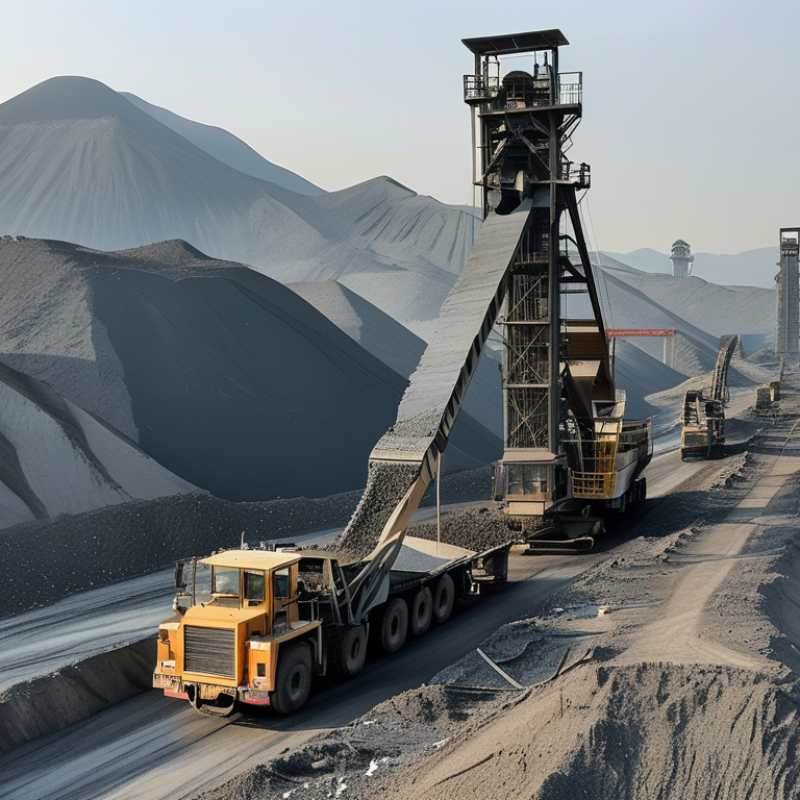
Overview of Fly Ash Brick Making Technology
Fly ash brick making technology has gained significant attention globally. This method utilizes fly ash, a byproduct from coal combustion, to produce strong and eco-friendly bricks. These bricks are lightweight, durable, and energy-efficient, contributing to sustainable construction practices. Each brick produced can incorporate up to 80% fly ash, reducing the need for clay and conserving soil resources.
Equipment for making fly ash bricks typically involves mixing, molding, and curing processes. The mixing stage ensures a uniform blend of materials, while the molding step shapes the bricks. It's crucial to optimize the curing process to enhance the bricks’ strength. However, achieving the perfect consistency can be challenging. Variations in moisture content and binder quality can affect the final product.
Investors should consider the technical know-how required for setting up fly ash brick manufacturing. While the initial investment might be high, the long-term benefits are appealing. Local conditions and regulations also play a role in the setup process. Conducting thorough market research is essential to avoid potential pitfalls. Developing a reliable sourcing strategy for quality fly ash can also pose challenges. Overall, fly ash brick making technology presents both opportunities and obstacles that require careful navigation.
Production Capacity of Fly Ash Brick Making Machines
Key Features to Consider in Fly Ash Brick Making Machines
When choosing a fly ash brick making machine, several key features warrant careful consideration. One crucial aspect is production capacity. Machines with the ability to produce between 800 to 1200 bricks per hour are currently in demand. This efficiency can significantly enhance productivity for manufacturers, making it vital to assess the output requirements before making a purchase.
Another important feature is the automation level of the machine. Automated systems reduce labor costs and minimize human error, thus improving the consistency of brick quality. Reports indicate that over 30% of brick manufacturers have shifted toward automation in recent years. As sustainability becomes increasingly essential, machines that utilize eco-friendly processes and optimize energy consumption should be prioritized. Efficient use of fly ash not only contributes to environmental sustainability but also enhances the physical properties of the bricks produced.
Consideration should also be given to the machine's versatility. A machine that can produce various brick sizes and types will provide more value to your operations. However, selecting a machine solely based on features can be problematic if it doesn’t align with your project requirements. Understanding your needs and the local market conditions is crucial. Reflecting on these factors ensures better investment and aligns with long-term goals in this competitive field.
Best Fly Ash Brick Making Machine for Global Buyers? - Key Features to Consider in Fly Ash Brick Making Machines
| Feature | Description | Importance |
| Production Capacity | Determines the number of bricks produced per hour/day. | High capacity is essential for meeting demand. |
| Automation Level | Includes semi-automatic to fully automatic operations. | Higher automation reduces labor costs and increases efficiency. |
| Energy Consumption | Amount of energy required for operation. | Lower consumption reduces operational costs. |
| Raw Material Usage | Efficiency in using fly ash and other materials. | Optimized usage leads to cost savings and environmental benefits. |
| Maintenance Requirements | Frequency and ease of performing maintenance tasks. | Low maintenance ensures higher uptime and productivity. |
| Quality Control Features | Systems in place to ensure brick quality standards. | Ensures consistency and reduces waste. |
| Size and Weight of Machine | Physical dimensions and weight impact transportation and installation. | Compact machines are easier to integrate into existing facilities. |
| Cost Efficiency | Overall costs versus the value provided. | Critical for return on investment assessments. |
Top Manufacturers and Their Offerings in the Global Market
In the global market, fly ash brick making machines have gained significant attention. Various manufacturers offer unique technologies designed to meet diverse production needs. Many machines incorporate automated processes to enhance efficiency and reduce labor costs. This automation often allows for consistent quality in brick output, vital for construction projects.
Leading manufacturers utilize innovative designs to improve energy consumption. Some machines are equipped with advanced control systems. These systems help monitor production and optimize resource use. However, not all manufacturers meet international quality standards. It’s essential for buyers to evaluate manufacturers based on reliability and past performance.
Factors like local support and spare parts availability also impact purchasing decisions. Some buyers report difficulties in sourcing components for certain machines. This can lead to prolonged downtimes, affecting overall productivity. Researching reputable manufacturers is crucial for ensuring a good investment in the right machinery. Potential buyers should take their time to assess different options carefully.
Comparative Analysis of Cost and Efficiency Among Machines
In the competitive market of fly ash brick making machines, cost and efficiency are critical factors for buyers. Machines vary widely in their performance and pricing, impacting potential return on investment. When buying, it's essential to assess initial expenses against operational rates. Some machines offer lower upfront costs but may lead to higher long-term expenses due to energy inefficiency.
Efficiency often hinges on the technology employed. Advanced machinery tends to produce more bricks in less time, enhancing productivity. However, evaluating the actual output can be tricky. Units with higher production speeds may have inconsistent quality. This inconsistency raises questions about reliability. Reliable machines should balance speed with durability.
Buyers should also consider maintenance costs. A machine may appear cost-effective initially but require frequent repairs, driving up expenses. Gathering real user feedback can reveal hidden flaws and strengths. Investing time in research helps uncover essential insights. Understanding these nuances creates a clearer picture for buyers. It allows informed decisions that align with their specific needs and operational capabilities.
Future Trends in Fly Ash Brick Production and Technology
The fly ash brick industry is evolving rapidly, marked by advancements in sustainable technology. According to a recent report by the International Journal of Engineering Research, the global market for fly ash bricks is projected to grow at a CAGR of 5.3% from 2022 to 2030. As more builders seek eco-friendly materials, this trend is pushing manufacturers to innovate continuously.
In the near future, automated fly ash brick making machines will dominate the landscape. These machines will rely on artificial intelligence for production optimization. With the efficiency of these technologies, energy consumption can be reduced by nearly 30%, thus lowering operational costs significantly. However, this raises concerns about the initial investment required for such advanced machinery.
Tips: Invest in research before purchasing machinery. This will help in selecting the right technology for your needs. Consider the environmental impact as an important factor. Always seek machines that minimize energy use and waste. Embracing these trends is essential, but potential risks must be assessed and managed. The industry must remain adaptable to changes, focusing on sustainability and innovation.