
What Is the Best Feed Pellet Mill in China?
Choosing the best Feed Pellet Mill in China depends on the feed, production target, and support available after installation. A machine suited to a small farm may struggle in a commercial plant. Price alone tells little. Buyers should compare pellet output, motor power, die size, and the materials used for rollers and other wear parts. These details affect operating costs, not just the purchase price.
The feed recipe matters too. Grain size, moisture, and ingredients can change pellet quality and machine performance. Ask suppliers for test runs using a representative mix, and request clear figures for capacity under those conditions. Check whether spare dies and rollers are readily available, and whether technicians can help with setup and routine maintenance. A neat brochure is not proof. That matters. A careful comparison should include factory credentials, customer references, warranty terms, and written specifications. Some figures may still vary in daily operation; that is worth acknowledging rather than ignoring. This guide explains the main selection criteria and questions to ask Chinese manufacturers, so buyers can weigh performance, reliability, and service against their own needs. No checklist catches everything, but a practical review can reduce costly surprises.
What Is a Feed Pellet Mill and How Does It Work?
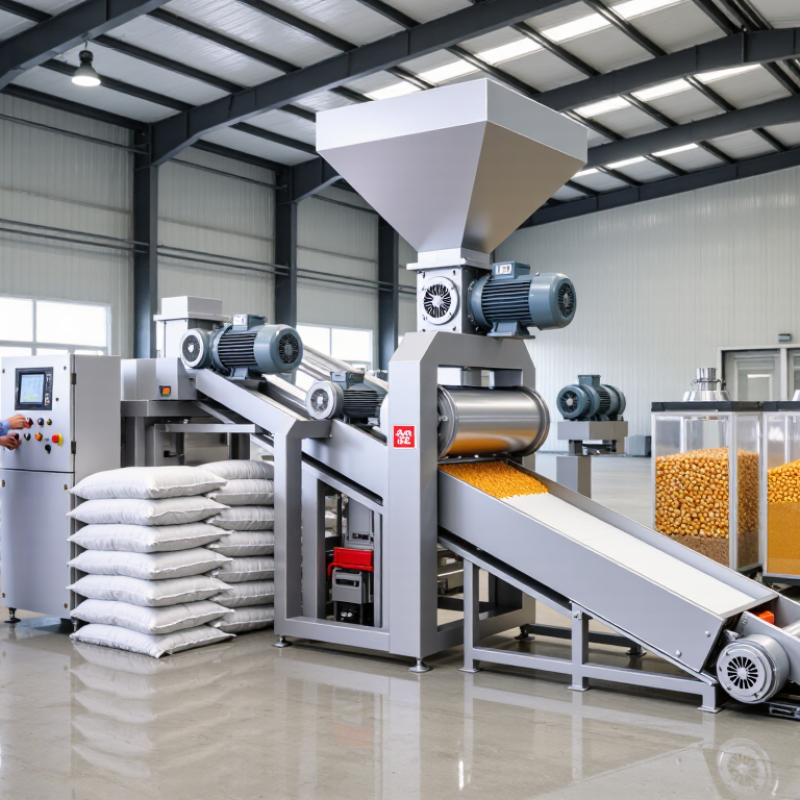
A feed pellet mill converts finely ground feed mash into compact, uniform pellets. The main parts are a feeder, conditioning chamber, die, rollers, and cutting knives. The feeder moves mash into the chamber at a controlled rate. There, moisture and sometimes steam soften the mix. This step matters: poorly conditioned mash can produce weak pellets or strain the machine.
Inside the pellet chamber, rollers press the mash through small holes in a rotating or stationary die. The emerging strands are cut to length by knives. A cooler then removes excess heat and moisture, helping pellets hold their shape during storage.
Not magic. The details matter.
Operators check pellet firmness, fines, motor load, and die condition, then adjust feed rate or conditioning as needed. Too much moisture can clog the die; too little may increase wear and produce crumbly pellets.
A good setting depends on the feed formula, particle size, and equipment. Even experienced operators can over-adjust when chasing a perfect pellet. A neat appearance alone does not prove consistent quality.
Regular cleaning and inspection help reveal problems early, especially blocked die holes or worn rollers.

What Types of Feed Pellet Mills Are Available in China?
Feed pellet mills available in China mainly use flat-die or ring-die designs. Flat-die machines suit smaller farms and trial batches. Their simpler layout can make inspection easier, though output may be limited. Ring-die mills are common in larger feed plants. A rotating roller presses conditioned mash through holes in a fixed die. Die diameter, compression ratio, and roller adjustment affect pellet size and durability.
Aquafeed production may use extrusion systems rather than conventional pellet presses. Extruders cook and shape the mixture under heat and pressure, producing floating or sinking feed depending on formulation and processing. Alltech’s 2024 Agri-Food Outlook estimated China’s feed production at about 262.7 million metric tonnes in 2023. That scale points to varied equipment needs, not one universally best machine. Big numbers can mislead.
For a practical comparison, match the mill to ingredients, target capacity, and pellet diameter. A plant making fine poultry pellets needs different conditioning and die settings from one producing larger ruminant feed. Ask suppliers for measured throughput, energy use, and pellet durability using your own formula. Test results matter. I would treat catalogue capacity cautiously: moisture, grind size, and operator adjustments can change real output, and published figures rarely capture every production condition.
Which Factors Affect a Feed Pellet Mill’s Performance?
What Is the Best Feed Pellet Mill in China?
A pellet mill’s performance depends on the whole production line, not just its motor rating. Die thickness and compression ratio must suit the formula and pellet diameter. A mismatch can raise power use or produce fragile pellets. Small settings matter.
Moisture and particle size need close control. Kansas State University feed-manufacturing research identifies conditioning, die design, and ingredient properties as key influences on pellet quality. In practice, operators should track steam pressure, conditioner temperature, motor load, and pellet durability—not just hourly output. A 2024 global feed survey estimated world feed production at about 1.29 billion metric tonnes in 2023, highlighting the scale of demand; that figure does not prove any mill is efficient. Check performance using repeatable trials with the same recipe, moisture, and operating conditions. Then compare throughput, energy use per tonne, and durability. Results can still vary with ingredient batches. A clean die helps, but it cannot fix poor conditioning.
What Is the Best Feed Pellet Mill in China? Which Factors Affect Performance?
Key factors that influence feed pellet mill performance
Die condition, feed formulation, and moisture management can strongly affect throughput, pellet quality, and energy use. The scores are an illustrative relative-influence index, not universal measured results; actual effects vary with feed type, mill setup, and operating conditions.
How Can Chinese Feed Pellet Mill Manufacturers Be Compared?
Comparing Chinese feed pellet mill manufacturers starts with test conditions, not catalog claims. The 2024 Agri-Food Outlook estimated China’s 2023 feed output at 262.7 million metric tons. Its global estimate was about 1.29 billion tons. These figures measure feed output, not mill sales, so they show market scale rather than machine demand. A “5 tonnes per hour” rating means little without a stated recipe, moisture level, and pellet size. Real throughput can fall on fibrous formulas or inconsistent conditioning. That gap matters.
Ask suppliers to test the same feed mix, moisture, die diameter, and operating time. Record tonnes per hour, specific energy use in kWh per tonne, pellet durability, and fines after cooling. Request the test method and sampling details. Ask for raw test sheets, not only a polished video. Check die and roller wear, adjustment access, and routine cleaning time. A stable run matters more than a brief peak. Not a minor detail.
Compare quoted power against actual energy use under comparable loads. Request references from feed plants using similar ingredients and shifts. Examine spare-part lead times, technician response, warranty exclusions, and commissioning records. I would be cautious about choosing by price alone. Test results can mislead if samples are selective or operators differ. Ask who measured each figure, and repeat the trial if possible. No shortcut here.
| Comparison Dimension | What to Compare | Practical Reference | How to Verify |
|---|---|---|---|
| Suitable feed and animal type | Confirm that the mill is designed for the intended feed formula and production process, such as poultry, livestock, or aquatic feed. | Different formulas have different requirements for grinding, conditioning, pelletizing, and cooling. A machine suitable for one feed type may not perform equally well with another. | Provide the supplier with the formula, ingredient characteristics, target pellet size, and required production rate. Request a trial using representative material. |
| Pellet diameter | Check available die-hole sizes and whether the machine can produce the required pellet diameter consistently. | Common feed pellet diameters include approximately 2–4 mm for many poultry and pig feeds, around 4–8 mm for many cattle feeds, and smaller sizes for some aquatic feeds. Requirements vary by animal age, formula, and feeding method. | Ask for the die specification and a sample of pellets made with a comparable formula. Confirm whether a die change is needed for each size. |
| Production capacity | Compare stated output for the specific feed, pellet size, and operating conditions—not only the machine’s headline capacity. | Actual throughput depends on formulation, moisture, die configuration, conditioning, and the condition of wear parts. Capacity figures are not directly comparable unless the test conditions match. | Request a written capacity estimate for your formula and pellet specification, including the test basis and any equipment included in the quoted line. |
| Pellet quality | Evaluate pellet durability, fines, shape, and consistency after cooling and handling. | Pellet quality is affected by the complete process, including grinding, conditioning, die selection, and cooling—not by the pellet mill alone. | Request test results or production samples and clarify the sampling point and measurement method. Compare samples made under similar conditions. |
| Conditioning system | Compare conditioner design, steam or liquid addition options, mixing, and retention time. | Conditioning requirements depend on feed formulation and process targets. A pellet mill specification by itself does not establish the performance of the conditioning stage. | Check the conditioner configuration, controls, and compatibility with the available steam supply. Ask for process recommendations for your formula. |
| Die and roller design | Review die material, heat treatment information, roller arrangement, adjustment method, and replacement availability. | Die and roller wear affects output and pellet quality. Service life varies with ingredients, operating practice, and maintenance, so a single life figure may not apply to every plant. | Request material and maintenance documentation, spare-part drawings, and prices for dies and rollers matching the proposed model. |
| Motor and electrical requirements | Check installed motor power, voltage, frequency, starting method, and electrical protection. | Electrical requirements must match the plant’s supply and local installation conditions. Motor power alone does not establish energy use per tonne. | Compare nameplate details and electrical diagrams. Ask for measured power consumption under stated production conditions if energy use is quoted. |
| Safety and documentation | Compare guarding, emergency stops, operating instructions, wiring diagrams, and applicable conformity documents. | Required safety and conformity documentation depends on the destination market and the final machine configuration. | Request copies of relevant documents for the exact model and confirm that they match the supplied equipment and destination requirements. |
| Installation and service | Assess commissioning support, operator training, troubleshooting, and access to technical assistance. | Installation scope and after-sales arrangements differ between suppliers and should be confirmed before purchase. | Get the service scope, response process, training plan, and warranty terms in writing. Confirm which parts and labor are covered. |
| Total cost of ownership | Compare the complete installed line cost, wear parts, energy, maintenance, and expected downtime. | The lowest purchase price may not represent the lowest operating cost. Compare equivalent machine configurations and included auxiliary equipment. | Use a written quotation and itemized spare-parts list. Compare costs over the same operating period and production assumptions. |
| Comparison note: There is no single best feed pellet mill for every application. The appropriate choice depends on feed type, target pellet specifications, required output, utilities, service arrangements, and verified performance. The references above are general guidance; confirm specifications for the proposed machine and your production conditions. | |||
How Do You Choose the Best Feed Pellet Mill for Your Needs?
Choosing the best feed pellet mill starts with the feed you plan to make, not the machine’s advertised capacity. Mash for poultry, cattle, or fish can behave differently in the same mill. Note your ingredients, target pellet diameter, daily output, and available power before comparing models. Be specific.
Ask suppliers for sustained capacity using a formula close to yours. A rating based on ideal material may not reflect your actual output. During a trial, check pellet shape, fines, temperature, and how steadily material enters the die. Watch the operator change settings. Small details matter.
Match the die and roller setup to your feed and pellet size, and ask how quickly worn parts can be replaced. Check whether the conditioner gives enough control over moisture and heat. Also consider cleaning access, dust management, noise, and routine maintenance. A compact mill may suit a small farm, while a larger operation may need a line designed for continuous production. Compare total operating costs, not just purchase price. One point is easy to miss: the first test may look good, but a longer run can reveal uneven feeding or frequent stoppages. Choose only after reviewing trial results, service arrangements, and your real workload.