2026 Top Well Casing Manufacturers and Suppliers?
Choosing reliable well casing manufacturers and suppliers in 2026 requires more than comparing prices or browsing polished product catalogs. Well casing protects the borehole, supports formation stability, and helps prevent contamination during drilling and production. Its performance depends on steel grade, wall thickness, connection design, manufacturing controls, and site conditions. Details matter.
This guide introduces leading companies serving oil, gas, geothermal, water, and industrial drilling markets. It considers production capacity, API-related quality practices, material traceability, delivery performance, technical support, and experience with demanding projects. Factory testing, inspection records, thread protection, and corrosion-resistant options also deserve close attention. A supplier may offer excellent products but lack dependable logistics or field support. Performance varies.
The 2026 selection should help engineers, contractors, distributors, and procurement teams make informed comparisons. Real-world experience remains important. A casing supplier that understands high-pressure wells, deviated drilling, or harsh environments can reduce avoidable delays. However, no ranking is perfect. Regional availability, project specifications, currency changes, and evolving standards may affect the final decision. Buyers should verify certifications, dimensions, connection compatibility, and inspection procedures before placing an order. That is not enough. They should also request references from comparable projects and examine how suppliers respond when problems appear. This overview offers a practical starting point, not a substitute for engineering review.
What Is Well Casing and Why Is It Essential?
What Is Well Casing and Why Is It Essential?
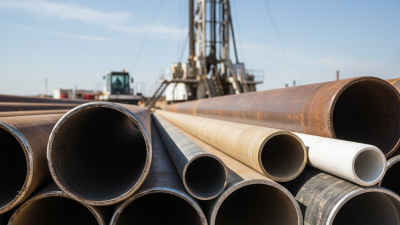
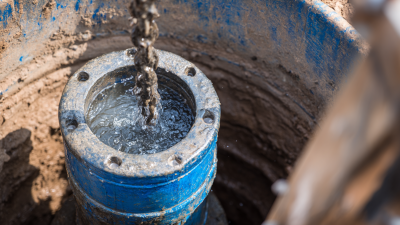
Well casing is a steel pipe installed inside a drilled borehole. Cement surrounds the pipe and locks it against the formation. It stabilizes the well, prevents wall collapse, and separates underground pressure zones. It also helps protect freshwater layers from drilling fluids and hydrocarbons.
It is structural insurance. The hole is unforgiving. Real formations contain faults, weak rock, unexpected pressure, and corrosive fluids. Engineers therefore select casing grade, wall thickness, connection type, and setting depth from geological and pressure data. API Specification 5CT provides widely used requirements for casing and tubing dimensions, steel grades, and testing. Field inspection still matters, because a perfect design cannot repair damaged threads or poor cement placement.
Demand projections show why this work remains important. The International Energy Agency’s Oil 2024 report expects global oil demand to reach about 105.4 million barrels per day by 2030. OPEC’s World Oil Outlook 2045 projects demand near 116 million barrels per day by 2045. These forecasts do not directly measure casing consumption, but they indicate continuing well construction and maintenance needs. Casing also supports geothermal and carbon storage projects, where pressure control is critical. One detail deserves reflection: casing is not automatically permanent protection. Cement quality, corrosion monitoring, and pressure testing determine whether the barrier performs as intended. Structural assumptions can age faster than engineers expect.
How to Identify Leading Well Casing Suppliers in 2026
Identifying leading well casing suppliers in 2026 requires more than comparing prices. Start by checking their experience with your formation, depth, pressure, and completion design. A capable supplier should explain steel grades, wall thickness, connection performance, and corrosion resistance in practical terms. Ask for recent test records, material certificates, dimensional reports, and traceability from mill to shipment.
Visit the production site if possible. Watch how pipes are inspected, threaded, coated, and protected during storage. Small details matter, such as clean thread protectors and dry warehouse floors. Suppliers with reliable quality systems should welcome independent inspections and provide clear responses when specifications change. They should also show evidence of consistent delivery performance, not only attractive claims.
Technical support is another useful measure. Can the supplier review your casing program and identify risks before production? Do engineers respond quickly when field conditions differ from the plan? A strong supplier documents nonconformities and explains corrective actions without hiding uncomfortable details. No supplier is perfect. That is worth remembering. A missed tolerance or delayed shipment can reveal more about accountability than a polished presentation. Compare warranty terms, communication records, production capacity, and emergency support before making a decision. Cost still matters, but the cheapest casing may create expensive delays, leaks, or rework later.
Key Materials, Grades, Standards, and Product Types
2026 Top Well Casing Manufacturers and Suppliers?
Key Materials, Grades, Standards, and Product Types
Well casing suppliers are evaluated by metallurgy, dimensional control, and traceable testing. Carbon and low-alloy steel remain common choices. The World Steel Association reported about 1.89 billion tonnes of crude steel production in 2023, showing the scale behind casing supply chains. Yet, ordinary steel is not automatically suitable for corrosive wells.
API Specification 5CT defines casing and tubing requirements, including dimensions, grades, heat treatment, and inspection. Common grades include J55, K55, N80, L80, P110, and Q125. L80 suits some sour-service conditions, but material selection requires attention to hardness and hydrogen sulfide exposure. ISO 11960 supports international product consistency. Connection design matters too. Premium threads can improve sealing, while standard connections may reduce procurement costs.
Think beyond the grade.
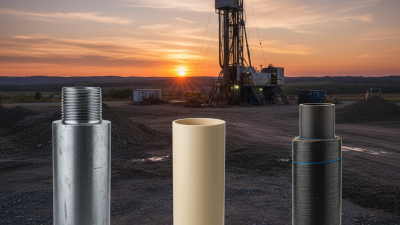
Product type must match the well section. Conductor casing stabilizes shallow formations. Surface casing protects freshwater zones. Intermediate casing handles unstable pressure intervals. Production casing supports long-term completion, while liners reduce weight and steel consumption. The IEA’s Oil 2024 report forecasts global oil demand reaching 105.4 million barrels per day by 2030, sustaining demand for reliable tubular products. However, forecast demand does not guarantee easy sourcing. Mill capacity, inspection records, lead time, and field experience still separate dependable suppliers from attractive quotations. One detail is often missed: casing drift diameter can affect later completion tools. That mistake becomes expensive.
2026 Top Well Casing Manufacturers and Suppliers
2026 Top Well Casing Manufacturers and Suppliers
Well casing suppliers face a more selective market in 2026. The IEA Oil 2024 report projects global oil demand to rise by about 3.2 million barrels per day by 2030. However, demand will not grow evenly across regions. Suppliers must therefore support both new wells and aging-field work. Strong manufacturers should provide API Spec 5CT or ISO 11960 compliance, controlled heat treatment, accurate threading, and full material traceability. A casing joint should arrive with readable markings, matching inspection records, and protected threads. Small details matter underground.
Tips: Compare suppliers using mill certificates, third-party inspection records, delivery history, and rejection rates. Ask how they manage sour-service requirements and low-temperature handling. A low price may hide coating limits, weak logistics, or unclear documentation. Request sample records before signing a large order.
Professional drilling datasets also show that rig activity changes quickly with oil prices, local permits, and transportation limits. This makes supplier flexibility important. Useful partners can adjust connection types, wall thickness, and shipment batches without losing quality control. Their engineers should explain collapse resistance, burst pressure, tensile strength, and wear risks in plain language. Not every published capacity figure reflects actual monthly output. That deserves careful checking. Trial orders, factory audits, and independent inspection can reveal gaps that sales materials may miss.
2026 Top Well Casing Manufacturers and Suppliers
API 5CT casing grades are commonly compared by their minimum yield strength. Higher-strength grades are typically selected for deeper wells and more demanding pressure conditions, subject to engineering and well-design requirements.
Reference: API Specification 5CT. Values shown are nominal minimum yield strengths converted from the specified ksi ratings.
How to Compare Casing Quality, Pricing, Service, and Delivery
2026 Top Well Casing Manufacturers and Suppliers: How to Compare Casing Quality, Pricing, Service, and Delivery
Casing selection should begin with verified performance, not a polished quotation. API Specification 5CT and ISO 11960 define requirements for casing grades, dimensions, testing, and marking. Ask for heat numbers, mill certificates, inspection records, and third-party test results. Check drift diameter, wall-thickness tolerance, connection accuracy, and hydrostatic-test evidence. Small defects can become expensive downhole failures.
Pricing needs a wider lens. Compare steel cost, threading, inspection, coating, packaging, freight, customs, and replacement liability. The World Bank Commodity Markets Outlook shows continuing volatility across industrial raw-material prices, so quotes should state validity periods and adjustment formulas. A lower unit price may hide longer lead times or weaker documentation. I would not treat a cheap quote as a saving.
Delivery reliability deserves measurable evidence. Request historical on-time-in-full performance, average lead time, production capacity, and emergency-response procedures. The IEA’s Oil 2024 report projects global oil demand to increase by 3.2 million barrels per day between 2023 and 2030. That outlook may tighten procurement schedules in active drilling regions. Still, forecasts change. Compare at least three suppliers using the same casing specification, delivery location, inspection scope, and payment terms. Then review actual shipment records, not promises.